Dinner

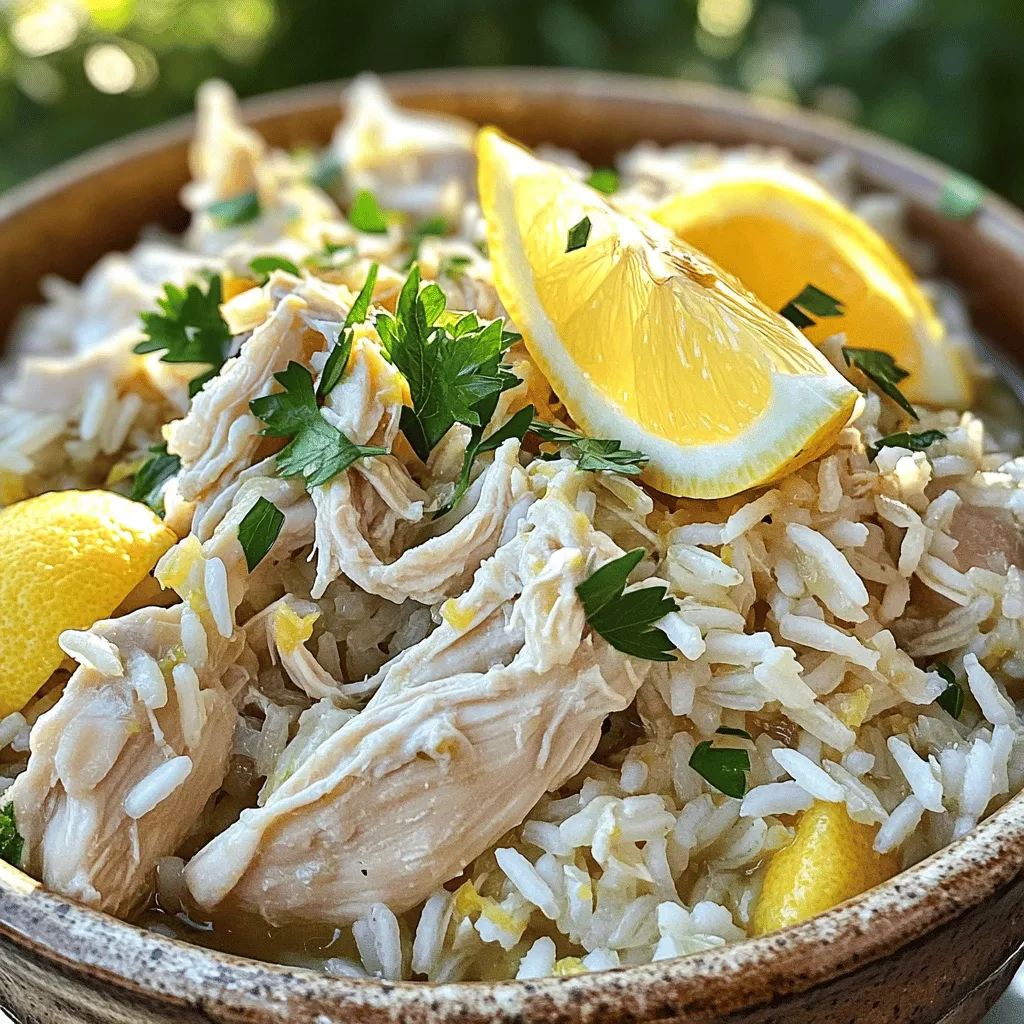
Slow Cooker Lemon Herb Chicken and Rice is a simple dish. It features tender chicken, fluffy rice, and bright lemon flavor. The slow cooker makes this meal easy and hands-off. - 4 boneless, skinless chicken thighs - 1 cup long-grain white rice - 1 medium onion, finely chopped - 3 cloves garlic, minced - 2 cups chicken broth - 1 lemon, zested and juiced - 1 teaspoon dried thyme - 1 teaspoon dried oregano - 1 tablespoon olive oil - Salt and pepper to taste - Fresh parsley, chopped (for garnish) Each ingredient plays a key role. The chicken provides protein, while the rice acts as a base. Onion and garlic add depth. Lemon brightens the dish with its zest and juice. Finally, herbs bring fresh flavors. You can find the full recipe above for detailed cooking steps! Before you start, season the chicken thighs. Use salt, pepper, thyme, and oregano. Make sure each piece is well coated. This helps the chicken taste great. You can sear the chicken for extra flavor. Heat olive oil in a skillet over medium heat. Add the seasoned chicken and cook for 3-4 minutes on each side. When it's golden brown, remove it from the heat. If you want to skip this step, just add the raw chicken to the slow cooker. Start by adding chopped onion and minced garlic to the bottom of the slow cooker. This base adds a sweet flavor. Next, place the chicken thighs on top of the onion and garlic. Evenly sprinkle the rice over the chicken. Pour chicken broth and lemon juice over everything. Make sure the rice gets soaked. Add lemon zest on top. Cover the slow cooker with the lid. Cook on low for 4-6 hours or on high for 2-3 hours. The chicken will be tender, and the rice will be fluffy. When cooking is done, take the chicken out. Use two forks to shred it into smaller pieces. Return the shredded chicken to the slow cooker. Gently stir everything together. This blends the flavors. Serve the dish hot, garnished with fresh parsley for a lovely pop of color. To boost the flavor of your slow cooker lemon herb chicken and rice, follow these tips: - Use Fresh Herbs: Fresh parsley adds great taste. If you can, use it instead of dried. - Sear the Chicken: Searing the chicken adds depth. It's not required but does enhance flavor. - Add Citrus Zest: Lemon zest brings a bright note. Use it right before serving for the best impact. - Include Extra Garlic: If you love garlic, feel free to add more. It makes the dish even tastier. Different slow cookers cook at different rates. Here’s how to adjust: - Traditional Slow Cookers: Cook on low for 4-6 hours or high for 2-3 hours. - Programmable Slow Cookers: These may cook faster. Always check for doneness earlier. - High-Efficiency Models: If you have one, reduce cooking time by about 30 minutes for each setting. Avoid these common pitfalls to ensure a perfect dish: - Skipping the Seasoning: Make sure to season the chicken well. This step is key to flavor. - Overcrowding the Cooker: Don’t add too many ingredients. This can lead to uneven cooking. - Not Checking for Doneness: Always check the chicken's internal temperature. It should reach 165°F. - Ignoring the Rest Time: Let the dish sit for a few minutes after cooking. This helps flavors meld. For a full recipe, check the detailed instructions to ensure a delightful meal. {{image_2}} You can easily swap ingredients to fit your needs. For gluten-free options, use rice that is certified gluten-free. If you want a low-carb choice, replace rice with cauliflower rice. For dairy-free needs, ensure your broth has no dairy. If you avoid chicken, try tofu or chickpeas for a plant-based meal. These swaps keep the dish tasty while meeting your needs. Adding vegetables boosts nutrition and flavor. You can toss in chopped carrots, bell peppers, or peas. These add color and make the dish more filling. For greens, try spinach or kale. Add them near the end of cooking to keep them vibrant. This way, you get a wholesome meal packed with vitamins. You can change the flavor profile with simple tweaks. For a spicy kick, add red pepper flakes or diced jalapeños. If you prefer a creamier texture, stir in some cream cheese or coconut milk towards the end. For a zesty twist, mix in capers or olives. Adjusting flavors makes the dish fun and unique every time. For the full recipe, visit the recipe section above. To store leftovers from the Slow Cooker Lemon Herb Chicken and Rice, let it cool first. Use airtight containers to keep the meal fresh. This method keeps flavors intact and prevents spoilage. Place the chicken and rice in the fridge within two hours of cooking. Consume leftovers within three to four days for the best taste. If you want to save some for later, freezing is a great option. Divide the chicken and rice into smaller portions. Use freezer-safe bags or containers to prevent freezer burn. Label each container with the date. This way, you can enjoy your meal up to three months later. Thaw overnight in the fridge before reheating. To reheat your meal, you have a few options. The microwave is quick, but the stovetop keeps it moist. If using the stovetop, add a splash of chicken broth to the pan. Heat over medium until warm. Stir often to avoid sticking. If reheating in the microwave, cover it to trap steam. Heat in short intervals, stirring in between. Enjoy your meal just like the first time with these simple steps! You can store Slow Cooker Lemon Herb Chicken and Rice in the fridge for up to four days. Make sure to keep it in an airtight container. This helps keep the flavors fresh and tasty. If you want to keep it longer, consider freezing it. Yes, you can use brown rice instead of white. However, brown rice takes longer to cook. You should cook it on low for six to eight hours instead of four to six. This change ensures the rice cooks fully and absorbs the flavors well. Absolutely! This recipe is great for meal prep. You can make a big batch and divide it into servings. Just store them in separate containers. It makes for easy lunches or dinners throughout the week. Some great sides to serve with Slow Cooker Lemon Herb Chicken and Rice include steamed broccoli, mixed greens, or a simple salad. You can also add crusty bread or lemon wedges for extra flavor. These sides complement the dish and create a balanced meal. In this post, we explored a simple recipe for slow cooker lemon herb chicken and rice. We covered essential ingredients, including chicken, rice, broth, and fresh herbs. You learned how to prepare, cook, and serve this dish, plus tips to boost flavor. We also discussed storage options to keep your meal fresh. Now, you have the tools to make a tasty meal. Try adding your twist to the recipe. Enjoy your cooking adventure with this dish!
Slow Cooker Lemon Herb Chicken and Rice Recipe Delight
Looking for a simple meal that bursts with flavor? My Slow Cooker Lemon Herb Chicken and Rice Recipe is just what you need! With tender
To make a savory slow cooker chicken burrito bowl, gather these ingredients: - 1.5 lbs boneless, skinless chicken breasts - 1 cup brown rice - 1 can (15 oz) black beans, drained and rinsed - 1 can (15 oz) diced tomatoes with green chilies - 1 cup corn (frozen or canned) - 1 medium onion, diced - 2 cloves garlic, minced - 1 tablespoon chili powder - 1 teaspoon cumin - 1 teaspoon smoked paprika - Salt and pepper to taste - 2 cups chicken broth - Fresh cilantro, chopped (for garnish) - Optional toppings: shredded cheese, avocado, diced jalapeños, sour cream, lime wedges These ingredients come together to create a hearty meal. The chicken adds protein, while the rice serves as a base. Beans and corn bring fiber and sweetness. The spices enhance the dish, giving it a warm flavor. You can customize the toppings to your liking. For the full recipe, check out the details on how to prepare this delicious dish. - Step 1: Layering the rice Start by placing the uncooked brown rice in the slow cooker. Spread it evenly across the bottom. This layer forms the base of your burrito bowl. The rice will soak up all the flavors from the chicken and vegetables. - Step 2: Adding the chicken Next, lay the boneless, skinless chicken breasts on top of the rice. Make sure they cover the rice completely. This helps the chicken cook well and infuse the rice with its juices. - Step 3: Mixing the vegetables and spices In a separate bowl, mix the black beans, diced tomatoes, corn, onion, and garlic. Add the chili powder, cumin, smoked paprika, salt, and pepper. Stir everything until it’s well combined. This mixture brings a burst of flavor to your bowl. - Step 4: Pouring the mixture into the slow cooker Carefully pour your vegetable and spice mixture over the chicken in the slow cooker. Make sure it covers the chicken. This step ensures that the chicken absorbs all those tasty flavors. - Step 5: Cooking time and temperature Slowly pour the chicken broth over the entire mixture. Make sure the rice is fully covered. Cover the slow cooker with its lid. Cook on low for 6-8 hours or on high for 3-4 hours. The chicken should be cooked through, and the rice tender. - Step 6: Shredding the chicken Once the cooking time is up, shred the chicken right in the slow cooker using two forks. Mix everything together well. This gives you a nice blend of rice, chicken, and veggies. Let it rest for about 10 minutes before serving. For the full recipe with specific measurements and additional details, refer to the Slow Cooker Chicken Burrito Bowl recipe. Enjoy this hearty and flavorful dish! - How to ensure perfect chicken and rice: Use long-grain brown rice for best results. Layer it well at the bottom. Pour enough chicken broth to cover the rice completely. This helps the rice cook evenly. The chicken will stay moist and tender while the rice absorbs all the flavors. - Best practices for layering ingredients: Start with the rice, as it needs the most moisture. Place the chicken on top to avoid it drying out. Add the beans, tomatoes, corn, and spices in a mixing bowl. This ensures all flavors blend well. Pour the mixture over the chicken evenly. - Adjusting cooking time based on slow cooker type: If you have a newer model, it may cook faster. On high, cook for 3-4 hours. On low, it takes 6-8 hours. Always check the chicken for doneness. It should shred easily with a fork. - Ideas for garnishing and serving your burrito bowl: When serving, top your bowl with fresh cilantro. Add shredded cheese, avocado, or diced jalapeños for extra flavor. A dollop of sour cream adds creaminess. A lime wedge gives a zesty touch. - Recommended side dishes: Pair your burrito bowl with tortilla chips for crunch. A simple green salad works well too. If you want something heartier, serve with Mexican street corn on the side. Enjoy the mix of flavors and textures! {{image_2}} You can swap the chicken for other proteins. Try using beef, pork, or turkey. Each meat adds its own flavor. If you prefer seafood, shrimp works well too. Make sure to adjust cooking times based on the protein you choose. For a meatless burrito bowl, use tofu or tempeh. These options soak up flavors nicely. You can also use extra beans or lentils to boost protein. They provide a hearty texture and taste great. Adding different spices can change the flavor profile. For a kick, try cayenne pepper or crushed red pepper flakes. You can also add a dash of lime juice for brightness. Customizing toppings makes the dish your own. Use shredded cheese, fresh avocado, or diced jalapeños for crunch. You might enjoy a dollop of sour cream or Greek yogurt too. Fresh cilantro adds a nice touch. For a full guide, check the Full Recipe. To store leftovers of your burrito bowl, let it cool first. Place the mixture in airtight containers. These can be plastic or glass. Make sure to label the containers with the date. Store them in the fridge for up to four days. This keeps your meal fresh and safe to eat. To freeze your burrito bowl, start by letting it cool completely. Use freezer-safe containers or bags. Remove as much air as possible to prevent freezer burn. You can freeze it for up to three months. When ready to eat, thaw it overnight in the fridge. Reheat in the microwave or on the stove. Add a splash of broth to retain moisture and flavor when reheating. Enjoy your delicious meal again! How long can I store my Slow Cooker Chicken Burrito Bowl? You can store this burrito bowl in the fridge for up to four days. Just keep it in an airtight container. If you want to keep it longer, freeze it. It lasts about three months in the freezer. Can I make this recipe ahead of time? Yes, you can prep this dish a day in advance. Simply chop the veggies and mix the spices. Store them in the fridge. In the morning, layer the rice and chicken, then add your prepped mix. What can I serve with my burrito bowl? Try serving it with tortilla chips or a fresh salad. You can also add some guacamole or salsa on the side for extra flavor. How do I adjust the recipe for more servings? To make more servings, just double the ingredients. Use a larger slow cooker. This dish is easy to scale up, as it all cooks together. Is it possible to cook this on high for a shorter time? Yes, if you’re short on time, you can cook this on high. It will take about 3 to 4 hours. Just make sure the chicken reaches an internal temperature of 165°F. For the full recipe and more details, check the [Full Recipe](#). This blog post guides you through making a delicious Slow Cooker Chicken Burrito Bowl. You learned about the key ingredients, step-by-step cooking instructions, and helpful tips. We discussed variations to suit your taste and how to store leftovers. Final thoughts: This dish is simple and flexible. You can customize it to make it your own. Dive in and enjoy each hearty bite!
Savory Slow Cooker Chicken Burrito Bowl Recipe
Craving a meal that’s easy, delicious, and packed with flavor? You’re in the right place! This Savory Slow Cooker Chicken Burrito Bowl recipe combines tender
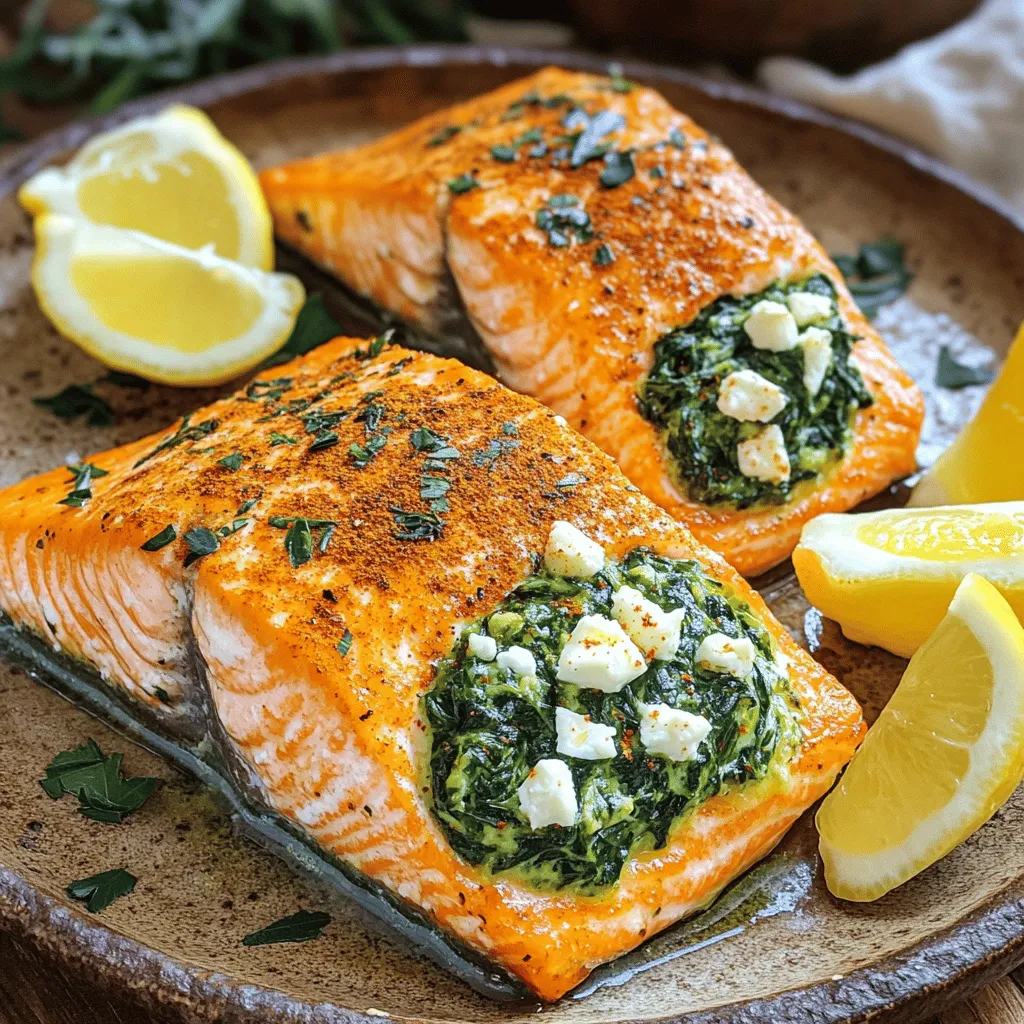
- 4 salmon fillets - 2 cups fresh spinach, chopped - 1 cup cream cheese, softened - 1/2 cup feta cheese, crumbled - 1/4 cup grated Parmesan cheese - 1 clove garlic, minced - 1 tablespoon lemon juice - Salt and pepper to taste - 1 tablespoon olive oil - 1 teaspoon paprika (for garnish) The main ingredients form the heart of this dish. Salmon fillets are rich in omega-3 fatty acids. They add a nice flavor and texture. Fresh spinach adds color and nutrients. Cream cheese brings creaminess, while feta cheese adds a sharp taste. Parmesan cheese enhances the flavor profile. The seasonings tie everything together. Garlic gives a warm aroma. Lemon juice adds brightness and balances the richness. Salt and pepper bring out the flavors of the ingredients. Olive oil is key for cooking and adds healthy fat. Paprika on top gives a pop of color and a mild kick. You can serve this dish with various sides. A light salad pairs well to balance the meal. Roasted vegetables add a nice touch too. For garnishes, use lemon wedges and fresh herbs. They add freshness and visual appeal. When it comes to drinks, a crisp white wine works great. A sparkling water with lemon also complements the flavors well. For the complete preparation method, check the Full Recipe. Preheating the oven Start by preheating your oven to 375°F (190°C). This step helps the salmon cook evenly. Preparing the spinach filling In a skillet, heat 1 tablespoon of olive oil over medium heat. Add 1 clove of minced garlic and cook for about 1 minute until it smells good. Then, toss in 2 cups of chopped fresh spinach. Cook until the spinach wilts, which takes about 2 to 3 minutes. Once done, remove it from heat and let it cool a bit. In a mixing bowl, combine the cooked spinach with 1 cup of softened cream cheese, 1/2 cup of crumbled feta cheese, and 1/4 cup of grated Parmesan cheese. Add 1 tablespoon of lemon juice, salt, and pepper to taste. Mix it all well until it’s creamy and smooth. Slicing pockets in the fillets Lay 4 salmon fillets on a clean cutting board. Use a sharp knife to carefully slice a pocket into the side of each fillet. Be sure not to cut all the way through the fillet. Filling and securing the stuffing Now, generously fill each salmon pocket with the spinach mixture. Press down slightly to secure the filling inside. This way, it won’t spill out while cooking. Baking the salmon Place the stuffed salmon fillets in a greased baking dish. Season the tops with salt, pepper, and a sprinkle of paprika for color. Bake the salmon in the preheated oven for about 15 to 20 minutes. Checking for doneness To check if the salmon is cooked, look for it to flake easily with a fork. If it does, it’s ready to eat! Remove it from the oven and let it rest for a couple of minutes before serving. For the complete recipe, check out the Full Recipe section. Enjoy your delicious spinach stuffed salmon! When you choose salmon, look for the following types: - Sockeye - Coho - King These types offer rich flavor and good texture. To check for freshness, do the following: - Look for bright, shiny skin. - Smell it; it should smell like the sea, not fishy. - Press the flesh; it should spring back, not leave a dent. You can boost the taste of your salmon with these herbs and spices: - Dill - Thyme - Oregano Adding these can bring new life to your dish. Consider these tasty additions: - Sun-dried tomatoes - Artichoke hearts - Chopped olives They can add depth to your filling and excite your taste buds. You can bake or grill your salmon. Both methods work well. - Baking: This method keeps the salmon moist. It’s easy and requires less attention. - Grilling: This adds a smoky flavor. Keep an eye on it to prevent drying. For perfect texture, remember these tips: - Do not overcook; salmon is done when it flakes easily. - Let it rest after cooking. This helps the juices settle. Try these tips to make your spinach stuffed salmon shine. For the complete preparation, check the Full Recipe. {{image_2}} You can switch up the filling for spinach stuffed salmon. - Try using different cheeses, like goat cheese or ricotta. - You can also add chopped vegetables, such as bell peppers or artichokes. - For a crunch, toss in nuts like pine nuts or walnuts. You can make this dish fit your diet. - For a gluten-free option, ensure the cheese and spices are gluten-free. - If you want a low-carb version, skip the breadcrumbs in other recipes. - You can also make it dairy-free by using cashew cheese or plant-based cream. Need more servings? It’s easy to scale up the recipe. - Double or triple the ingredients for larger gatherings. - Just remember to adjust the baking time if you use more salmon. - A thicker piece may need a few extra minutes to cook through. For full details, check the Full Recipe. To keep your spinach stuffed salmon fresh, store leftovers properly. Place the salmon in an airtight container. Make sure to cool it down first. This keeps moisture in and bacteria out. You can store it in the fridge for up to three days. After that, the flavor and texture might change. When it’s time to enjoy leftovers, reheating is key. The best methods are oven or stovetop. Preheat your oven to 300°F (150°C) for gentle heating. Place the salmon on a baking sheet, cover it with foil, and heat for about 10-15 minutes. If using a stovetop, set a skillet on low heat. Add a splash of water to keep it moist. Cover the skillet and warm it slowly. For longer storage, freezing is a great option. Wrap each stuffed salmon fillet tightly in plastic wrap. Then place them in a freezer bag. This helps prevent freezer burn. Spinach stuffed salmon can last in the freezer for up to three months. When you’re ready to eat, thaw it overnight in the fridge. This ensures even thawing and helps keep the salmon juicy. You can tell if salmon is cooked when it flakes easily. Use a fork to test it. The flesh should change from dark pink to a lighter color. The internal temperature should reach 145°F (63°C). If you see any white substance on the fish, it’s called albumin. This means it’s done but can be removed if you prefer a cleaner look. Yes! You can make the spinach filling a day ahead. Just store it in the fridge. This saves time and lets flavors blend. When you’re ready to cook, stuff the salmon and bake. This step makes meal prep easy and quick. Spinach stuffed salmon pairs well with many sides. Here are some ideas: - Light green salad - Roasted vegetables - Mashed potatoes - Quinoa or rice - Garlic bread These sides balance the rich flavors of the salmon. Spinach stuffed salmon is quite healthy. Salmon is high in omega-3 fatty acids. These fats are good for your heart. Spinach adds fiber, vitamins, and minerals. The cheese provides protein but can be high in fat. You can use low-fat cheese for a lighter option. Enjoy this meal as part of a balanced diet. For the full recipe, check out the instructions above. This blog post explored how to make delicious spinach stuffed salmon. We covered the key ingredients like salmon, cream cheese, and fresh spinach. You learned preparation steps, cooking tips, and food pairings to enhance your meal. Now, you can enjoy a tasty dish that's easy to make. Remember to experiment with flavors and adjust things to your liking. No matter how you prepare it, this dish can impress anyone at your table. Enjoy your cooking journey!
Spinach Stuffed Salmon Delightfully Savory Recipe
Are you ready to impress your dinner guests with a dish that looks and tastes gourmet? This Spinach Stuffed Salmon recipe is your ticket to
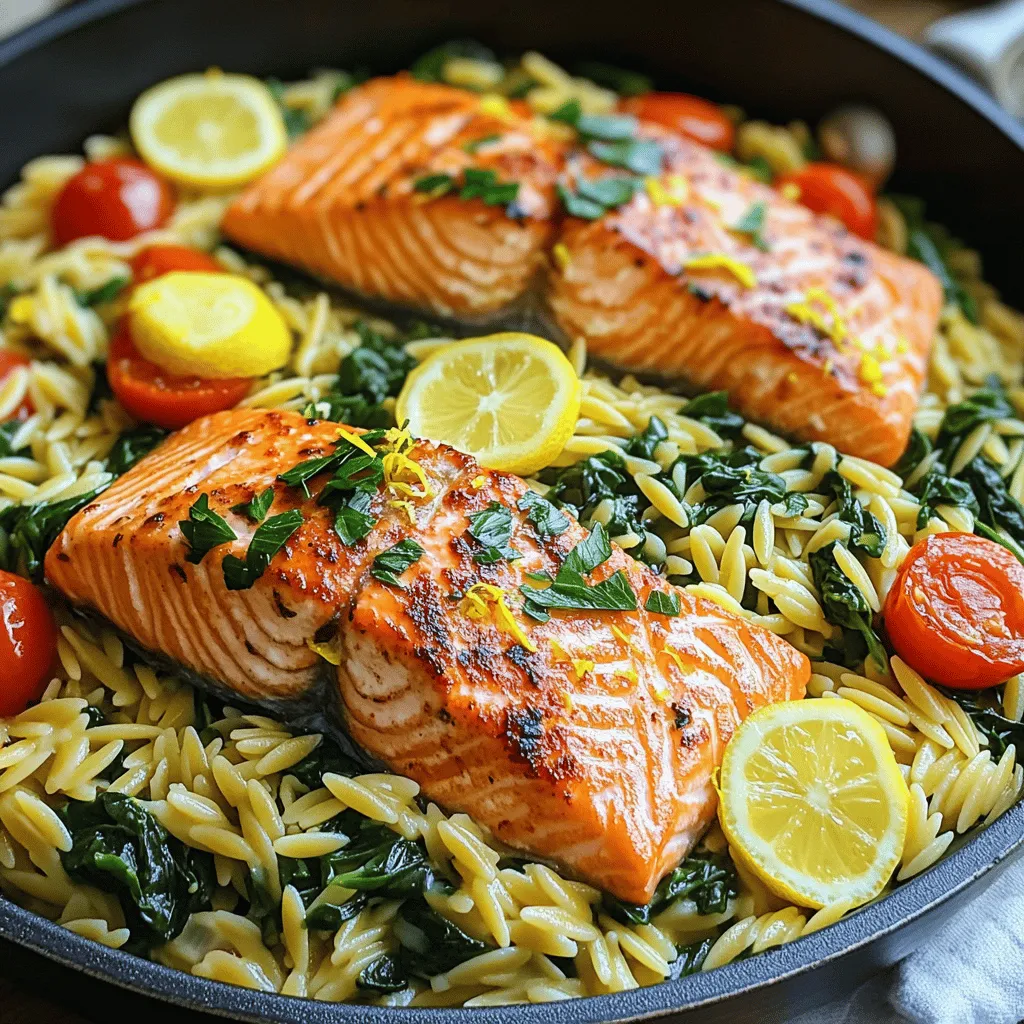
- 2 salmon fillets (6 oz each) - 1 cup orzo pasta - 2 cups vegetable broth - 1 lemon (zested and juiced) - 1 cup cherry tomatoes, halved - 2 cups baby spinach - 3 tablespoons olive oil - 2 cloves garlic, minced - Salt and pepper to taste - Fresh parsley for garnish To make One Skillet Salmon with Lemon Orzo, you will need fresh ingredients. Using quality salmon ensures a tasty dish. I suggest wild-caught salmon for better flavor. The orzo provides a nice texture and absorbs the broth well. Lemon zest adds bright notes, while spinach and tomatoes bring color and nutrients. This dish is not just easy; it’s also healthy. Each ingredient plays a role in flavor and nutrition. For example, baby spinach is packed with vitamins. The olive oil adds healthy fats and helps with cooking. - Calories per serving: Approximately 500 calories - Macronutrients breakdown: - Protein: 30g - Carbohydrates: 45g - Fat: 20g This meal offers a balance of protein, carbs, and healthy fats. It’s perfect for a light dinner. You'll enjoy the fresh taste and feel good too. Each serving packs a nutritional punch, making it a smart choice for any meal. For the full recipe, check out the guidelines provided earlier. First, heat a large skillet over medium heat. Add 1 tablespoon of olive oil. Once the oil is hot, season the salmon fillets with salt and pepper. Place them skin-side down in the skillet. Cook for about 4 to 5 minutes until the skin is crispy. Carefully flip the fillets and cook for another 3 to 4 minutes until the salmon is fully cooked. Remove the salmon from the skillet and set it aside. In the same skillet, add the remaining 2 tablespoons of olive oil. Sauté 2 cloves of minced garlic for about 1 minute until fragrant. Then, add 1 cup of orzo pasta. Stir well to coat the orzo with oil and garlic. Toast the orzo for about 2 minutes to enhance its flavor. Next, pour in 2 cups of vegetable broth, the juice from 1 lemon, and the zest from that lemon. Bring the mixture to a boil, then reduce the heat to low. Cover the skillet and let it simmer for about 10 minutes until the orzo is cooked and has absorbed most of the liquid. Once the orzo is ready, stir in 1 cup of halved cherry tomatoes and 2 cups of baby spinach. Cook for another 2 to 3 minutes until the spinach wilts and the tomatoes warm up. Gently place the cooked salmon fillets back into the skillet on top of the orzo. Let everything heat together for about 1 minute. Taste your dish and adjust the seasoning with more salt, pepper, or lemon juice if needed. Serve warm, garnished with freshly chopped parsley. For the full recipe, check the detailed instructions above. To get crispy skin, start with a dry salmon fillet. Pat it dry with a paper towel. Heat your skillet over medium heat and add a little olive oil. Place the salmon skin-side down. Cook for 4-5 minutes without moving it. You'll see the skin turn golden and crisp. To check if the salmon is done, use a fork. Gently flake the thickest part of the fillet. If it flakes easily and looks opaque, it’s ready. If it’s still raw in the middle, give it a little more time. To boost the taste, try adding fresh herbs like dill or basil. They pair well with salmon and add a nice touch. You can also sprinkle in a bit of smoked paprika for a hint of warmth. Adjust the acidity with lemon juice. Start with a little, then taste. If you want more brightness, add more lemon juice. The zest also adds a fragrant kick to the dish. One-skillet meals save time and clean-up. You can cook everything in one pan, making it easy and quick. This method also helps the flavors mix well, creating a tasty dish. For even cooking, make sure the skillet is hot before adding your ingredients. Avoid overcrowding the pan. If needed, cook in batches to ensure everything cooks evenly. {{image_2}} You can switch out the salmon for other fish. Some great options are: - Trout - Cod - Tilapia These fish cook similarly and taste great with lemon. You can also change the vegetables. Try using: - Broccoli - Zucchini - Bell peppers These add color and flavor to your meal. You can bake or pan-sear the salmon. Baking keeps it moist and allows for hands-off cooking. Pan-searing gives you a crispy skin. Both methods work well. If you own an Instant Pot, you can make this dish faster. Cook the orzo and veggies in the pot. Then, add the cooked salmon on top. This method helps blend flavors quickly. If you need gluten-free options, use gluten-free orzo or rice. The flavor stays great. For vegan alternatives, swap salmon for tofu or chickpeas. Both options provide protein and taste fantastic with lemon. These changes let you enjoy the dish while meeting any dietary needs. For the full recipe, check the main section above. After you finish your meal, let any leftovers cool down. Place them in an airtight container. This helps keep the flavors fresh. Store the container in the fridge. It will stay good for about 3 days. If you want to pack it for lunch, divide it into smaller portions. To reheat the salmon and orzo, you have a few options. The stove is great for even heating. Just add a little water or broth to the skillet. Heat it on low until warm. You can also use the microwave. Place it in a microwave-safe dish, cover it, and heat for about 1-2 minutes. Remember to stir halfway through to keep the texture nice. Yes, you can freeze this dish! For best results, freeze it right after cooking. Let it cool completely, then put it in a freezer-safe container. It will last for about 2 months in the freezer. When you are ready to eat, thaw it overnight in the fridge before reheating. This keeps the flavor and texture intact. When choosing salmon, you can pick between farmed and wild-caught. - Farmed salmon: It is often milder, fattier, and more affordable. - Wild-caught salmon: This type has a richer flavor and firmer texture. Both options work well in this dish. I prefer wild-caught for its taste and health benefits. Yes, you can swap orzo for other pasta types. - Small shells: These hold sauce well and add a fun shape. - Farfalle: Also known as bow-tie pasta, it adds a nice touch. - Quinoa: For a gluten-free option, quinoa works great too. Choose what you like best; the flavors will still shine. To check if salmon is done, look for a few signs. - Color change: It should change from bright pink to a lighter hue. - Flakiness: Use a fork to gently poke it. It should flake easily. - Internal temperature: Aim for 145°F (63°C) for perfectly cooked salmon. These steps ensure you enjoy tender and juicy fish. Absolutely! You can double this recipe for more servings. - Skillet size: Ensure your skillet is large enough to fit all ingredients. - Cooking time: The cooking time may vary slightly, so check for doneness. Scaling up is easy, and you can enjoy this dish with family or friends. For the full recipe, check back to get all the delicious details! This post shared a simple and tasty recipe for salmon and orzo. You learned about the ingredients, step-by-step cooking, and smart tips to improve flavor. You also discovered ways to store leftovers and adapt the recipe for different diets. Cooking can be fun and easy, especially with a one-skillet meal like this. Enjoy trying it out and making it your own! Good food can bring joy to everyone.
One Skillet Salmon with Lemon Orzo Delight
Are you ready to make a meal that’s easy, tasty, and quick? “One Skillet Salmon with Lemon Orzo Delight” is just what you need! This
- Mahi Mahi fillets: You need 4 fillets. Look for firm fillets with a fresh smell. They should be bright and not dull. Freshness is key for this dish. - Olive oil, butter, and cream: Each plays a big role. Olive oil helps with cooking the fish. Butter adds richness and flavor. Heavy cream gives the sauce a smooth texture. - Garlic, lemon, and parsley: Garlic brings a bold taste. Lemon adds a fresh zing. Parsley gives a pop of color and freshness. - Overview of seasonings: Use salt and pepper to enhance flavors. They bring out the best in your fish and sauce. - Importance of lemon wedges: Lemon wedges are great for serving. They add extra brightness and flavor when squeezed over the dish. For the full recipe, check out the details above. Step 1: Seasoning the fillets First, take the Mahi Mahi fillets and pat them dry. This helps create a nice sear. Then, sprinkle salt and pepper on both sides. Use enough to enhance the fish's natural taste. Seasoning at this stage is key for flavor. Step 2: Cooking process in the skillet Next, heat olive oil in a large skillet over medium-high heat. Once hot, gently place the seasoned fillets in the skillet. Cook for about 4-5 minutes on each side. You want them golden brown and cooked through. When done, remove the fillets and set them aside. Step 3: Sautéing garlic In the same skillet, reduce the heat to medium. Add butter until it melts. Then, toss in the minced garlic. Sauté for about a minute. This makes the kitchen smell amazing. Just be careful not to burn the garlic, as it can turn bitter. Step 4: Incorporating heavy cream and lemon flavors Now, pour in the heavy cream. Stir well to combine with the garlic. Bring this mixture to a gentle simmer. Add lemon zest and lemon juice next. This will brighten the sauce. Taste and adjust salt and pepper as needed. Step 5: Combining Mahi Mahi with the sauce Return the cooked Mahi Mahi fillets to the skillet. Spoon the lemon garlic cream sauce over them. Let the fillets warm for 2-3 minutes. This helps the flavors blend nicely. Step 6: Garnishing and serving suggestions Finally, remove from heat and sprinkle fresh parsley on top. This adds color and a fresh taste. Serve each fillet on a plate with extra sauce and lemon wedges. The dish looks and tastes great! For the full recipe, check out the detailed instructions. To get a perfect sear on Mahi Mahi, follow these steps: - Use a hot skillet: Heat your skillet until it's hot before adding oil. This helps the fish sear well. - Don't overcrowd: Cook only a few fillets at a time. This keeps the heat up and prevents steaming. - Flip carefully: Use a spatula to flip the fillets gently. This keeps them intact and allows for even cooking. Common mistakes with cream sauces can ruin your dish. Here are tips to avoid them: - Control the heat: Keep the heat at medium to prevent burning. High heat can curdle your sauce. - Add cream slowly: Pour in the cream gradually. This helps it mix well without clumping. - Taste as you go: Always taste and adjust seasoning. This ensures a balanced flavor. To enhance the flavor of your dish, consider these herbs and spices: - Fresh thyme: Add a few sprigs for an earthy touch. - Dill: A great pairing for fish, it adds a fresh note. - Paprika: A sprinkle brings warmth and color. Pair this dish with sides or wines to elevate your meal: - Sides: Serve with steamed asparagus or garlic mashed potatoes. These complement the creamy sauce. - Wines: A crisp Sauvignon Blanc works well. Its acidity cuts through the richness of the cream sauce. For the full recipe, check out the link to Mahi Mahi Delight in Lemon Garlic Cream Sauce. {{image_2}} You can swap out Mahi Mahi for other fish if you want. Good options include cod, tilapia, or halibut. These fish have a mild flavor and similar texture. They will still soak up the lemon garlic sauce well. Just adjust cooking times as needed since different fish cook at different rates. If you need a dairy-free option for the cream, try using coconut cream or cashew cream. Both give a rich texture and will work with the lemon and garlic. They add a unique twist to the dish without losing the creaminess. Adding spices can give your dish a fun kick. Try cayenne pepper for heat, or paprika for a smoky flavor. Just a pinch can enhance the taste. You want to keep the balance of the lemon and garlic while adding depth. Other ingredients can complement the lemon garlic theme. Capers add a briny flavor that works well with fish. Sun-dried tomatoes bring sweetness and a chewy texture. Both options brighten up the dish and add more layers to the flavor. For the full recipe, check the details provided above. To store Mahi Mahi in lemon garlic cream sauce, follow these steps: - Let the dish cool to room temperature. - Use an airtight container for storage. - Place the Mahi Mahi and sauce together to keep the fish moist. In the fridge, Mahi Mahi should last about 2 to 3 days. After that, the cream sauce may separate, making the dish less appealing. When reheating, you want to keep the fish moist. Here are some methods: - Microwave: Place the Mahi Mahi in a microwave-safe dish. Cover it with a damp paper towel. Heat in short bursts, checking often. - Stovetop: Warm the fish in a skillet over low heat. Add a splash of cream sauce to keep it from drying out. Before reheating, let the dish sit at room temperature for about 15 minutes. This helps it heat evenly. For the best flavor, serve with fresh lemon wedges. Feel free to explore the [Full Recipe] for a delightful cooking experience! Can I bake Mahi Mahi instead of pan-searing? Yes, you can bake Mahi Mahi. It’s a great way to cook it evenly. Preheat your oven to 400°F. Place the seasoned fillets in a baking dish. Bake for about 15-20 minutes. Make sure the fish flakes easily with a fork. What can I serve with Mahi Mahi in Lemon Garlic Cream Sauce? This dish pairs well with many sides. Try garlic mashed potatoes or steamed asparagus. A light salad with lemon vinaigrette works, too. You can also serve rice or quinoa to soak up the sauce. Is this recipe gluten-free? Yes, this recipe is gluten-free! The ingredients include fish, cream, and seasonings that do not contain gluten. Always check labels if you use pre-packaged items. Can I make this dish dairy-free? You can make this dish dairy-free by using coconut cream instead of heavy cream. Also, swap butter for a dairy-free alternative. This will keep the flavors while catering to dairy-free diets. How long does Mahi Mahi take to cook properly? Mahi Mahi usually takes about 8-10 minutes to cook. Cook for 4-5 minutes on each side. The fish should be opaque and flake easily when done. What is the best temperature to cook fish? The best temperature for cooking fish is around 145°F. You can check this with a food thermometer. Proper cooking ensures the fish is safe to eat and remains tender. In this article, we explored how to make a delicious Mahi Mahi with lemon garlic cream sauce. I shared key ingredients, step-by-step instructions, and tips for perfecting the dish. We also discussed variations and storage tips to keep your meal fresh. You can impress anyone with this simple yet flavorful dish. It's adaptable and can fit many diets. Enjoy experimenting with flavors and techniques to make this recipe your own!
Mahi Mahi in Lemon Garlic Cream Sauce Delightful Dish
Are you ready to elevate your dinner game? This Mahi Mahi in Lemon Garlic Cream Sauce is a showstopper that’s simple to make. With the
- 2 boneless, skinless chicken breasts - 1 tablespoon olive oil - 1 teaspoon chili powder - 1 teaspoon cumin - 1 teaspoon smoked paprika - 1 teaspoon garlic powder - Salt and pepper to taste - 1 cup brown rice, rinsed - 2 cups chicken broth (or water) The main items in this recipe are the chicken breasts, spices, and rice. The chicken provides protein and flavor. The spices add warmth and depth. Brown rice serves as a hearty base, making the dish filling. Using chicken broth instead of water enhances the rice's taste. - 1 bell pepper, diced - 1 avocado, diced - 1 cup cherry tomatoes, halved - 1/4 cup fresh cilantro, chopped Fresh produce brightens the bowl. The bell pepper adds crunch and color. Avocado brings creaminess and healthy fats. Cherry tomatoes add sweetness, while cilantro adds freshness. Each ingredient boosts the flavor and nutrition of the dish. - Salsa, for serving - Greek yogurt or sour cream, for serving - Juice of 1 lime Toppings make the meal special. Salsa adds zest and spice, while Greek yogurt or sour cream gives creaminess. A squeeze of lime juice brightens everything and ties it together. These elements make your chicken burrito bowl more enjoyable. For the full recipe, check the details above. First, prepare the marinade. In a bowl, mix together: - 1 tablespoon olive oil - 1 teaspoon chili powder - 1 teaspoon cumin - 1 teaspoon smoked paprika - 1 teaspoon garlic powder - Salt and pepper to taste Next, coat the chicken breasts well in the marinade. Make sure every part gets covered. Let the chicken marinate for at least 30 minutes for the best flavor. To cook the rice, bring 2 cups of chicken broth or water to a boil in a medium saucepan. Once boiling, add 1 cup of rinsed brown rice. Lower the heat, cover the pot, and let it simmer. It should cook for about 40-45 minutes, or until the rice is tender and the liquid is absorbed. After that, remove it from heat. While the rice cooks, preheat a grill pan or skillet over medium-high heat. Place the marinated chicken breasts in the pan. Cook them for 6-7 minutes on each side. You want the chicken to reach an internal temperature of 165°F (75°C). Once done, remove the chicken from heat, let it rest for a few minutes, then slice it into strips. While the chicken is cooking, it’s time to sauté the bell pepper. Dice the bell pepper and add it to a pan with a bit of olive oil over medium heat. Sauté for about 5 minutes until it becomes soft and fragrant. Now, it’s time to build your bowl! Start with a base of the cooked brown rice. Layer on the sautéed bell pepper, black beans, corn, and sliced chicken. Add diced avocado and halved cherry tomatoes on top. For a finishing touch, drizzle with lime juice, sprinkle fresh cilantro, and add a dollop of salsa and Greek yogurt or sour cream. For the full recipe, check out the detailed instructions and ingredient list to create this tasty meal! Best marinating time Marinate the chicken for at least 30 minutes. This allows the flavors to soak in well. For more flavor, try to marinate it for up to 2 hours. This gives the spices time to work their magic. Achieving the right doneness Cook the chicken until it reaches 165°F (75°C). Use a meat thermometer for accuracy. This ensures your chicken stays juicy and safe to eat. Let the chicken rest for a few minutes before slicing. This helps keep it moist. Substitutes for brown rice If you want a change, use quinoa or cauliflower rice. Quinoa is packed with protein and cooks quickly. Cauliflower rice offers a low-carb option that still tastes great. Cooking aids or gadgets A rice cooker can make cooking rice easy. It cooks the rice evenly and frees you up for other tasks. If you don’t have one, a pot with a lid works well too. Just keep an eye on the time to avoid overcooking. Additional spices to consider Try adding cayenne pepper or smoked salt for extra kick. These spices boost the flavor without much effort. A dash of lime zest can brighten up the dish too. Complementary sauces or dressings Salsa is a classic choice, but you can try others too. A drizzle of chipotle sauce or a creamy avocado dressing can add a nice twist. These sauces enhance the flavor and make your bowl unique. For the complete step-by-step process to create this delicious dish, check out the Full Recipe. {{image_2}} You can make a tasty burrito bowl without chicken. Try using plant-based proteins like tofu or tempeh. These options are healthy and full of flavor. You can also use black beans or lentils for protein. If you want grains, swap brown rice for quinoa or cauliflower rice. Both options are nutritious and crunchy. If you love heat, add jalapeños or a splash of hot sauce. These additions will make your bowl zesty. You can also use spicy seasoning blends like taco seasoning for extra flavor. Just sprinkle it over your chicken or veggies as they cook. This will give your dish a delightful kick. For a low-carb option, skip the rice and use more veggies. You can add leafy greens like spinach or kale. If you're counting calories, reduce the amount of oil in the recipe. You can also use Greek yogurt instead of sour cream. This swap cuts fat and adds protein. These variations let you customize your chicken burrito bowl. They help you enjoy the dish in different ways. For the full recipe, check the earlier section. Enjoy your cooking adventure! To keep your chicken burrito bowl fresh, store leftovers in airtight containers. This keeps moisture in and prevents any odors from your fridge. You can safely store the bowl for up to 3 days in the fridge. Make sure to let it cool to room temperature before sealing. You can freeze components of the burrito bowl to enjoy later. Cooked chicken, rice, and beans freeze well. Place them in freezer-safe bags or containers. For the best taste, use them within 2 to 3 months. When you are ready to eat, thaw overnight in the fridge. Reheat in a microwave or on the stove until hot throughout. Prepping your chicken burrito bowl ahead saves time on busy days. Cook the chicken and rice in advance, then store them separately. You can also chop your veggies ahead of time. Assemble the bowl just before serving for the best flavor and texture. If you want to store assembled bowls, keep the toppings separate to prevent sogginess. You can use many tasty protein sources in your bowl. Here are some great options: - Tofu: Use firm or extra-firm tofu. It takes on flavors well. - Tempeh: This is a great plant-based option with a nutty taste. - Ground beef or turkey: Cook it with spices for a hearty flavor. - Shrimp: Quick to cook and adds a nice touch to your bowl. - Beans: Extra black beans or other beans work for a protein boost. Making a gluten-free chicken burrito bowl is simple. Use these tips: - Rice: Always choose gluten-free rice like brown or white rice. - Beans: Canned black beans are gluten-free. Just rinse them well. - Sauces: Check labels on salsa and yogurt. Many are gluten-free. - Tortillas: If you want to add tortillas, use gluten-free options. Yes, you can meal prep the Chicken Burrito Bowls! Here’s how: - Cook the chicken: Follow the recipe and slice it when cool. - Prepare the rice: Cook a big batch and store it in the fridge. - Store veggies: Chop and keep bell peppers, avocado, and tomatoes ready. - Assemble bowls: Put everything in containers and store in the fridge. - Reheat: Simply warm the rice and chicken before serving. Many places serve delicious Chicken Burrito Bowls. Here are some popular options: - Local Mexican restaurants: They often have fresh and flavorful bowls. - Food trucks: Check for trucks that specialize in burritos or bowls. - Chain restaurants: Some chains have good options for quick meals. - Delivery services: Use apps to find local spots with great ratings. Toppings can make your bowl even better. Here are some ideas: - Cheese: Shredded cheese adds creaminess and flavor. - Jalapeños: For some heat, slice fresh or pickled jalapeños. - Sour cream or Greek yogurt: Both add a rich and tangy taste. - Chopped green onions: These add a fresh and crunchy touch. - Lime wedges: Squeeze fresh lime juice for a zesty kick. For a full recipe, check the [Full Recipe]. This blog post covered how to create a delicious Chicken Burrito Bowl. We discussed the main ingredients, from chicken breasts to fresh produce. You learned step-by-step instructions on marinating, cooking, and assembling your bowl. We also shared tips for perfecting your meal and variations for diets and flavor preferences. Finally, we explored storage methods and answered common questions. Enjoy crafting this tasty dish, and don't hesitate to personalize it. Your cooking can be simple, fun, and packed with good flavors!
Chicken Burrito Bowl Flavorful and Easy Recipe Guide
Are you craving a meal that’s both tasty and easy to make? Look no further! In this guide, I’ll show you how to create a
- Cooked chicken (2 cups, shredded) - Cooked rice (2 cups, white or brown) - Broccoli florets (1 cup, fresh or frozen) - Cheddar cheese (1 cup, shredded) - Cream of mushroom soup (1 cup, or homemade) - Milk (1/2 cup) - Seasoning (1 tsp garlic powder, 1 tsp onion powder, salt and pepper to taste) - Breadcrumbs (1/2 cup, optional, for topping) - Olive oil (2 tbsp, if using fresh broccoli) Gather these ingredients before starting. Fresh chicken adds great taste, but you can use leftover chicken. Cooked rice can be white or brown, depending on your choice. I like fresh broccoli for its crunch, but frozen works well, too. Cheddar cheese is key for that creamy texture. You can use cream of mushroom soup from a can or make it from scratch. Milk adds smoothness to the mix. For seasoning, garlic and onion powders bring out the flavor. Don't forget salt and pepper to taste. If you want a crispy top, add breadcrumbs mixed with olive oil. This dish is easy and delicious! Check the full recipe if you want to dive deep into the cooking steps. - Preheat the oven to 350°F (175°C). - If you use fresh broccoli, boil the florets for 2-3 minutes. - Drain the broccoli and set it aside. - In a large bowl, mix cooked chicken, cooked rice, and the drained broccoli. - Add cream of mushroom soup and milk to the bowl. - Sprinkle in garlic powder and onion powder, then mix well. - Taste and add salt and pepper as needed. - Fold in half of the cheddar cheese. - Transfer the mixture into a greased 9x13-inch baking dish. - Spread it evenly, then top with the remaining cheddar cheese. - If you want, mix breadcrumbs with olive oil and sprinkle on top. - Cover the dish with foil and bake for 25 minutes. - After 25 minutes, remove the foil. - Bake for an extra 10-15 minutes until the cheese bubbles and turns golden. - Once done, let it cool for a few minutes before serving. - This cooling step helps the casserole set nicely. For the full recipe, check out the details above. How to choose the best chicken for the casserole When picking chicken, look for fresh, high-quality meat. You can use rotisserie chicken for ease. Shredded chicken works best, as it blends well with other ingredients. Make sure it has no tough bits or skin. Importance of letting the casserole sit before serving Letting the casserole sit for a few minutes after baking helps it set. This makes it easier to serve and keeps it from being too runny. Cooling also allows the flavors to mingle better. Presentation ideas for an attractive dish Serve the casserole right from the baking dish for a homey touch. Add a sprinkle of fresh herbs or extra cheese on top for color. Pair it with a side salad for a bright contrast. You can also use colorful plates to enhance the visual appeal. Side dishes that complement the casserole This casserole pairs well with simple sides. Consider a fresh garden salad or roasted vegetables. Garlic bread also works well to soak up the cheesy goodness. These sides can balance the meal and add more flavor. Alternatives for cream of mushroom soup If you want to skip cream of mushroom soup, try using cream of chicken soup or a homemade white sauce. You can also blend cooked mushrooms with cream for a fresh taste. This keeps the dish creamy and delicious. Dairy-free options for cheese and milk For a dairy-free version, use plant-based cheese and milk. Look for brands that melt well for the best results. Nutritional yeast can add a cheesy flavor without dairy. These swaps keep the casserole creamy while meeting dietary needs. For the full recipe, check out the detailed instructions. Enjoy your cooking! {{image_2}} You can easily make this casserole gluten-free. Just swap the cream of mushroom soup for a gluten-free version. Use gluten-free breadcrumbs if you want a crunchy topping. For a vegetarian version, replace chicken with extra broccoli or chickpeas. You can also use vegetable broth instead of cream of mushroom soup. To add more flavor, use spices like paprika or Italian seasoning. Fresh herbs like thyme or parsley also work well. For cheese, try using mozzarella or gouda for a different taste. Mixing different cheeses can create a delightful flavor. Feel free to change up the veggies. Cauliflower or bell peppers work great instead of broccoli. For protein, turkey or tofu can be good alternatives. Cooked quinoa can also replace rice for a fun twist. You can mix and match to fit your taste! For the complete recipe, check out the [Full Recipe]. To reheat leftovers, it’s best to use the oven. Preheat it to 350°F (175°C). Place the casserole in an oven-safe dish. Cover it with foil to keep it moist. Heat for about 20 minutes or until warm. If you want to avoid sogginess, do not add extra liquid. You can freeze the casserole for later use. First, let it cool completely. Then, wrap it tightly in plastic wrap. Place it in a freezer-safe bag or container. This keeps it fresh for up to three months. When ready to eat, thaw it in the fridge overnight. Reheat in the oven for the best texture. Leftovers last about three to four days in the fridge. Make sure to store it in an airtight container. Watch for signs of spoilage like a sour smell or mold. If it looks or smells off, it’s best to toss it. For extra safety, always check before eating. This way, you enjoy your cheesy broccoli chicken and rice casserole without worry. How long does it take to make Cheesy Broccoli Chicken and Rice Casserole? It takes about 50 minutes to make this casserole. You spend 15 minutes prepping and 35 minutes baking. Can I make this casserole ahead of time? Yes, you can prepare it a day in advance. Just cover it and store it in the fridge until you're ready to bake. Can I use raw chicken in this recipe? I do not recommend using raw chicken. Always use cooked chicken for safety and flavor. Is this a good meal for meal prep? Absolutely! This casserole is perfect for meal prep. It keeps well in the fridge and reheats nicely. What should I do if the casserole is too dry? If your casserole is too dry, add a splash of milk or broth. Mix it in before serving for more moisture. How to get a crispy topping on the casserole? For a crispy topping, mix breadcrumbs with olive oil. Sprinkle this mix on top before baking. It adds texture and crunch. This blog post covered how to make a tasty Cheesy Broccoli Chicken and Rice Casserole. You learned about the ingredients, step-by-step instructions, and useful tips. We discussed variations and how to store leftovers. This dish is simple and versatile, making it great for any meal. Try it out and enjoy a warm, hearty meal. You'll impress your family or friends with your cooking skills!
Cheesy Broccoli Chicken and Rice Casserole Delight
Welcome to your new favorite comfort food! This Cheesy Broccoli Chicken and Rice Casserole is a simple, satisfying dish that’s perfect for busy weeknights. With
- 12 oz fettuccine or spaghetti - 4 tablespoons unsalted butter - 4 cloves garlic, minced To make this dish, first, you need to pick your pasta. Fettuccine or spaghetti works best. I love how fettuccine holds the sauce. Next, unsalted butter adds a rich flavor. Minced garlic gives it that aromatic punch. - 4 cups vegetable broth - 1 cup heavy cream - 1 cup grated Parmesan cheese Vegetable broth is key for depth. It brings all the flavors together. Heavy cream makes the sauce rich and smooth. Grated Parmesan cheese melts beautifully, adding a salty, nutty taste. - 1 teaspoon garlic powder - 1 teaspoon Italian seasoning - Fresh parsley, chopped (for garnish) Garlic powder boosts the garlic flavor. Italian seasoning adds herbs that brighten the dish. Fresh parsley is perfect for garnishing, adding color and freshness. This simple list makes a delicious meal. Check the Full Recipe for the complete method! - Melt Butter and Sauté Garlic Start by placing a large pot or deep skillet on medium heat. Add 4 tablespoons of unsalted butter. Watch as it melts, filling your kitchen with a rich aroma. Next, add 4 minced garlic cloves. Sauté the garlic for 1-2 minutes. You want it fragrant but not burnt. This step builds a flavorful base for your pasta. - Add Vegetable Broth and Pasta Once the garlic is ready, pour in 4 cups of vegetable broth. Bring this mixture to a gentle simmer. Now it's time to add the pasta. You can use 12 oz of fettuccine or spaghetti. Stir the pasta well to coat it in the broth. - Stir and Simmer Let the pasta cook until it is al dente. This usually takes about 8-10 minutes. Stir occasionally to prevent sticking. The broth will reduce and flavor the pasta nicely. - Combine Cream and Cheese After the pasta is cooked, lower the heat. Pour in 1 cup of heavy cream and 1 cup of grated Parmesan cheese. Add 1 teaspoon of garlic powder and 1 teaspoon of Italian seasoning. Stir everything together. This will create a creamy and rich sauce. - Adjust Consistency If the sauce is too thick, add a little more vegetable broth. Mix until you reach your preferred consistency. Taste and season with salt and pepper. Follow these steps, and you'll create a delightful One-Pot Garlic Parmesan Pasta. For more details, check out the Full Recipe. Enjoy your cooking! - Stirring Techniques for No-Stick Pasta: Stir the pasta often while it cooks. This helps keep it from sticking together. Use a wooden spoon or a spatula to gently lift the pasta. Focus on the bottom of the pot where pasta likes to cling. - Ensuring Creamy Sauce: To make sure your sauce stays creamy, add the heavy cream slowly. Stir well after each addition to blend it in. If the sauce is too thick, add a splash of vegetable broth to loosen it up. - Alternative Pasta Options: If you want to switch up the pasta, use penne or fusilli. These shapes hold sauce well. You can also use whole grain or gluten-free pasta if needed. Just keep an eye on the cooking time. - Dairy-Free Variations: For a dairy-free version, swap heavy cream with coconut milk or a plant-based cream. Use nutritional yeast instead of Parmesan for a cheesy taste without dairy. - Pairing with Side Dishes: This pasta pairs well with a simple salad. A fresh green salad with a lemon vinaigrette works great. Garlic bread adds a nice crunch and flavor. - Best Wine Pairings: A light white wine like Pinot Grigio goes well with this dish. It enhances the garlic and Parmesan flavors. If you prefer red, a light Chianti also complements the meal nicely. For the full recipe, check [Full Recipe]. {{image_2}} To make your One-Pot Garlic Parmesan Pasta even better, you can add protein or veggies. - Chicken or Shrimp Variations: Cooked chicken or shrimp works great in this dish. Just add them when you mix in the cream and cheese. They will soak up the tasty sauce. This makes your meal heartier and more filling. - Vegetable Additions: You can toss in some fresh or frozen veggies like spinach, peas, or bell peppers. Add them when you mix in the pasta. They not only add color but also boost nutrition. While Parmesan cheese is classic, you can try other cheeses for fun flavors. - Using Different Types of Cheese: Mozzarella or Asiago can make your pasta creamy and rich. Just mix them in the same way as Parmesan. This gives a new twist to the dish. - Vegan Cheese Alternatives: If you prefer a dairy-free option, use vegan cheese. Look for brands that melt well. This way, you can enjoy a creamy pasta without dairy. If you like some heat, you can spice things up easily. - Adding Red Pepper Flakes: Sprinkle red pepper flakes into the pot when you sauté the garlic. Start with a small amount. You can always add more if you want more kick. - Adjusting Seasoning Levels: Taste your dish before serving. If you want it saltier or more flavorful, add a pinch of salt or some Italian seasoning. This is your chance to make it just right for your taste. To keep your One-Pot Garlic Parmesan Pasta fresh, store leftovers in the fridge. Place the pasta in an airtight container. This helps prevent moisture loss and keeps flavors intact. You can enjoy your pasta for up to three days. Use glass or plastic containers with tight lids for best results. Glass containers are great for reheating, while plastic ones are lighter to handle. Choose containers that fit your fridge space well. When reheating, you have two main options: microwave or stovetop. The microwave is quick and easy, but the stovetop can help maintain texture better. For microwave reheating, place pasta in a bowl. Add a splash of broth or cream to keep it moist. Heat in short bursts, stirring in between. Avoid overheating to keep the pasta from drying out. For stovetop reheating, use a non-stick skillet over low heat. Add a little broth or cream, then stir gently until warmed through. This method helps the pasta stay creamy. Always add a bit of liquid when reheating. This keeps the sauce from becoming thick and dry. Stir often to ensure even heating and preserve the dish's rich flavor. You can freeze One-Pot Garlic Parmesan Pasta if you want to keep it longer. This is a good way to save extra servings or meal prep for busy days. To freeze, let the pasta cool completely. Then, place it in freezer-safe containers. Make sure to leave some space for expansion. It lasts up to two months in the freezer. For thawing, move the container to the fridge overnight. For a quicker option, you can use the microwave on a defrost setting. Avoid thawing at room temperature to keep the pasta safe to eat. One-Pot Garlic Parmesan Pasta lasts about three to four days in the fridge. Store it in an airtight container. Make sure it cools before sealing it. This helps keep it fresh and tasty. If you want to enjoy it later, check for any signs of spoilage before eating. Yes, you can make this dish gluten-free! Just use gluten-free pasta instead of regular fettuccine or spaghetti. Many great brands offer gluten-free options that cook well. Follow the cooking time on the package for best results. Your dish will still be creamy and delicious. The best way to reheat leftover pasta is on the stovetop. Add the pasta to a skillet over low heat. You may want to add a splash of broth or cream to keep it moist. Stir it gently until heated through. This method helps maintain the creamy sauce. You can also use a microwave if you're in a hurry. Yes, you can use water instead of broth. However, using broth adds more flavor to the dish. If you use water, consider adding a pinch of salt or extra seasonings. This helps enhance the taste. The dish will still be good, but broth makes it richer. Absolutely! If you love garlic, feel free to add more. You can increase the minced garlic to six cloves or more. Just be careful not to burn it when sautéing. More garlic will add a stronger flavor to the dish. It’s a great way to enhance the taste! This pasta pairs well with many side dishes. A simple green salad works great. You can also serve garlic bread for a nice crunch. For a heartier meal, grilled chicken or shrimp complements the dish nicely. Choose what you like best! Yes, you can make this pasta ahead of time. Cook it and let it cool completely. Then store it in the fridge for up to four days. When ready to eat, just reheat it gently. This is perfect for meal prep or busy nights. This blog post shows how to make One-Pot Garlic Parmesan Pasta. We covered the essential ingredients, step-by-step instructions, and tips for success. You can easily adjust flavors with different cheeses or spice levels to fit your taste. Remember to store leftovers properly and reheat them to keep the pasta creamy. Enjoy trying different add-ins and variations. This dish is simple yet full of flavor. You can impress friends and family with this quick meal that is sure to please!
One-Pot Garlic Parmesan Pasta Quick and Simple Meal
Craving a quick and tasty meal? Try my One-Pot Garlic Parmesan Pasta! This dish combines garlic, creamy sauce, and pasta into a comforting, flavorful dinner
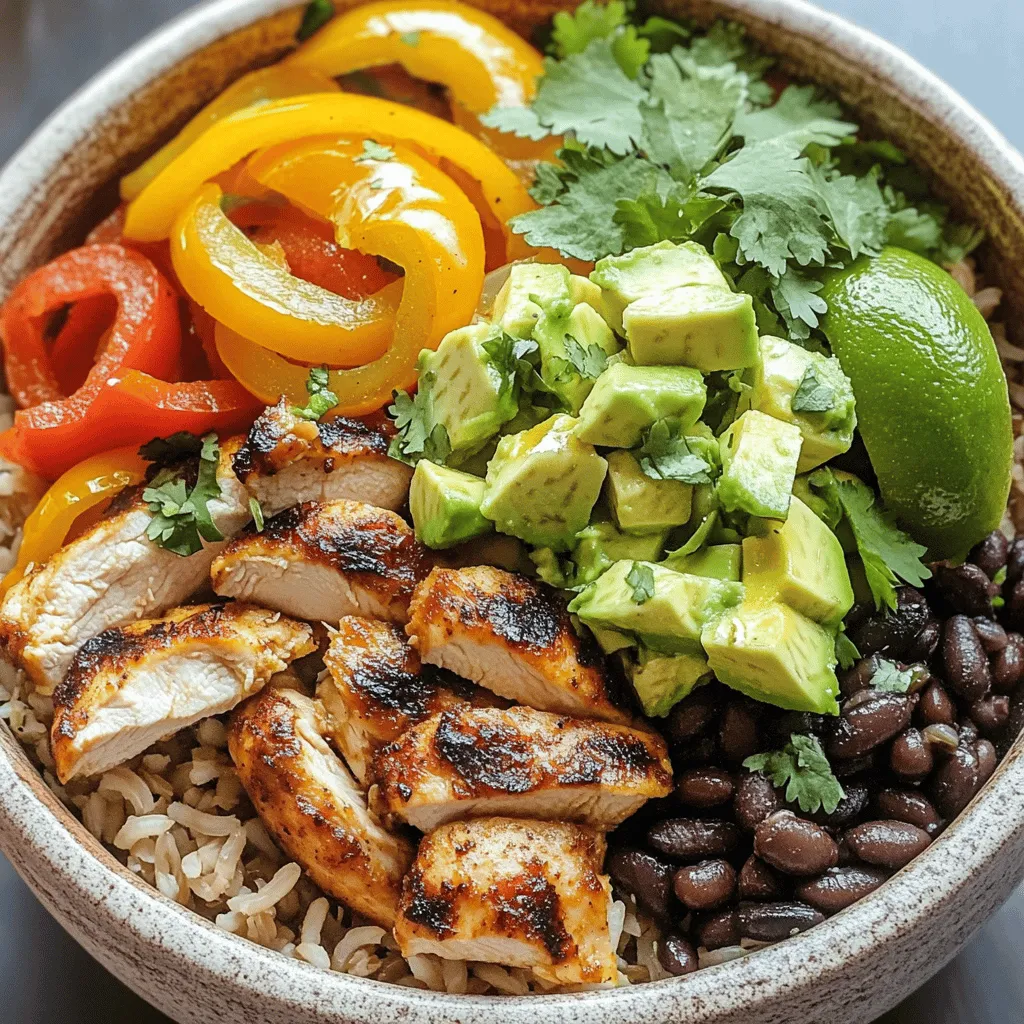
To create a tasty chicken fajita burrito bowl, you need some key ingredients. Here’s a simple list: - 2 boneless, skinless chicken breasts, sliced - 1 tablespoon olive oil - 1 teaspoon chili powder - 1 teaspoon cumin - 1 teaspoon smoked paprika - 1 bell pepper (red or green), sliced - 1 medium onion, sliced - 1 cup cooked brown rice - 1 cup black beans (canned, drained and rinsed) - 1 cup corn (fresh, frozen, or canned) - 1 avocado, diced - ½ cup fresh cilantro, chopped - Juice of 1 lime - Salt and pepper to taste These ingredients work together to make a flavorful and filling meal. The chicken provides protein, while the veggies add color and crunch. You can make your bowl even better with some optional ingredients. Here are a few suggestions: - Salsa - Shredded cheese - Sour cream These toppings add extra flavor and texture. You can mix and match to suit your taste. This chicken fajita burrito bowl is not only delicious but also nutritious. Here is the breakdown: - Calories per serving: About 500 calories - Macronutrient breakdown: - Protein: 35g - Carbohydrates: 70g - Fat: 15g This meal is balanced and gives you energy for your day. Enjoy making your chicken fajita burrito bowl with these ingredients and tips. For the full recipe, check out the details above. Marinating the chicken Start by cutting the chicken breasts into thin slices. In a mixing bowl, combine the chicken with olive oil, chili powder, cumin, smoked paprika, salt, and pepper. Stir well to coat each piece. Set aside. Let the chicken marinate for at least 15 minutes. This adds flavor and helps keep it juicy. Preparing the vegetables Slice one bell pepper and one medium onion. Aim for thin slices to help them cook faster. Set these aside for later. You can use red or green bell pepper based on your taste. Each adds a different color and flavor to your bowl. Cooking the chicken Heat a large skillet over medium-high heat. Once hot, add your marinated chicken. Cook for about 5-7 minutes. Stir occasionally until the chicken is fully cooked and has nice char marks. This step locks in the flavor and adds texture. Remove the chicken from the skillet and place it on a plate. Sautéing the vegetables In the same skillet, add the sliced bell pepper and onion. Sauté for about 3-5 minutes. You want them tender and slightly caramelized. This brings out their natural sweetness and adds depth to your dish. Layering ingredients In serving bowls, start with a base of cooked brown rice. Follow with a generous helping of black beans and corn. The rice provides a good foundation, and the beans add protein. Adding toppings Next, add the sautéed chicken and the cooked vegetables on top. Finish your bowl with diced avocado, fresh cilantro, and a squeeze of lime juice. Feel free to customize with optional toppings like salsa, shredded cheese, or sour cream. These add extra flavor and creaminess. This recipe gives you a tasty Chicken Fajita Burrito Bowl that is easy to make. For the full recipe, check the details above. To cook chicken well, start with even slices. This helps the chicken cook evenly. I like to marinate the chicken for at least 30 minutes. This allows the flavors to soak in. Use olive oil, chili powder, cumin, and smoked paprika for great taste. Cook the chicken on medium-high heat. This gives a nice sear and keeps it juicy. Stir the chicken often to avoid burning. Cook it until it reaches 165°F (75°C). This ensures it’s safe to eat. When slicing vegetables, aim for uniform pieces. This helps them cook at the same rate. Slice bell peppers and onions thinly for the best results. A sharp knife makes the task easier and safer. Sauté the veggies in the same skillet after the chicken. This adds flavor from the chicken bits left behind. Cook them until soft and slightly caramelized. This brings out their natural sweetness. For a well-rounded meal, serve your burrito bowl with sides. Fresh salsa or a simple salad pairs nicely. You can also add tortilla chips for crunch. When serving, watch portion sizes. A good mix is one cup of rice, half a cup of beans, and a generous helping of chicken and veggies. Enjoy your meal with family or friends for a fun experience. Feel free to check out the Full Recipe to get all the details on making this bowl! {{image_2}} You can easily make this dish your own. If you want a vegetarian option, just skip the chicken. Use sautéed mushrooms or grilled zucchini instead. You can also add extra beans or tofu for protein. For different protein choices, think about shrimp, beef, or even pork. Each brings its flavor. You can also use rotisserie chicken for a quick meal. To give your bowl a spicy twist, add diced jalapeños or a splash of hot sauce. You can also mix in chipotle powder for a smoky kick. If you want something milder, try adding sweet paprika instead. For alternative seasoning blends, consider taco seasoning or Cajun spices. These can change the whole flavor profile. Experiment with what you love! If you have common allergens, there are swaps you can make. For example, use quinoa instead of rice for a gluten-free option. If you're allergic to beans, try using lentils or chickpeas. If you want to use whole grain rice, opt for brown rice or farro. These grains add flavor and nutrition. They give your bowl a nice texture as well. To keep your Chicken Fajita Burrito Bowl fresh, store leftovers properly. Place the bowl in an airtight container. This helps keep out air and moisture. You can store it in the fridge for up to three days. If you want to save it longer, you can freeze it. For freezing, ensure the bowl is well-sealed. Use freezer-safe containers or bags. Frozen leftovers can last up to three months. When it's time to enjoy your leftovers, choose your reheating method. You can use the microwave or stovetop. The microwave is quick and easy. Just heat the bowl for one to two minutes. Stir halfway to heat evenly. The stovetop method keeps the texture nice. Heat a skillet over medium heat. Add a splash of water or broth to help steam the ingredients. Heat for about five minutes, stirring often. This method helps keep the flavors bright. Perishable ingredients in your bowl have different shelf lives. Cooked chicken lasts about three to four days in the fridge. Fresh vegetables, like peppers and onions, should be used within a week. Black beans and corn, if canned, can last longer but check the date. Watch for signs of spoilage. If the chicken smells off or the veggies look slimy, it’s best to toss them. Keeping an eye on your food helps ensure safety and flavor. Yes, you can. Meal prepping saves time. Cook the chicken and veggies in advance. Store them in separate containers. Keep the rice, beans, and toppings ready too. When it's time to eat, just assemble your bowl. This will keep your meal fresh and tasty. For best results, eat within three days. If you want a change, try quinoa or cauliflower rice. Quinoa gives a nutty taste and adds protein. Cauliflower rice is low in carbs. You can also use couscous or barley for different textures. All these options work well with the flavors in the bowl. To add heat, mix in jalapeños or hot sauce. You can also use cayenne pepper or chipotle powder. These will boost the spice level nicely. For a fresh kick, try adding diced fresh chili peppers. Adjust the spice to your taste for a perfect meal. Leftover chicken and veggies can be used in many ways. You can make fajitas with tortillas. Toss them in a salad for a healthy twist. Use them in omelets for breakfast. Be creative! Leftover beans or rice can also be added to soups or wraps. The options are endless! In this blog post, we explored the essential ingredients for a Chicken Fajita Burrito Bowl, including cooking tips and variations. You learned how to prepare and assemble your meal while also considering nutrition and storage. This dish is simple yet flexible, allowing you to customize it as you like. With a few new skills, you can impress family and friends with delicious flavors. Enjoy creating your perfect bowl today!
Flavorful Chicken Fajita Burrito Bowl Recipe Guide
Are you ready to spice up your meal prep? This Flavorful Chicken Fajita Burrito Bowl is not just tasty but also easy to make. With
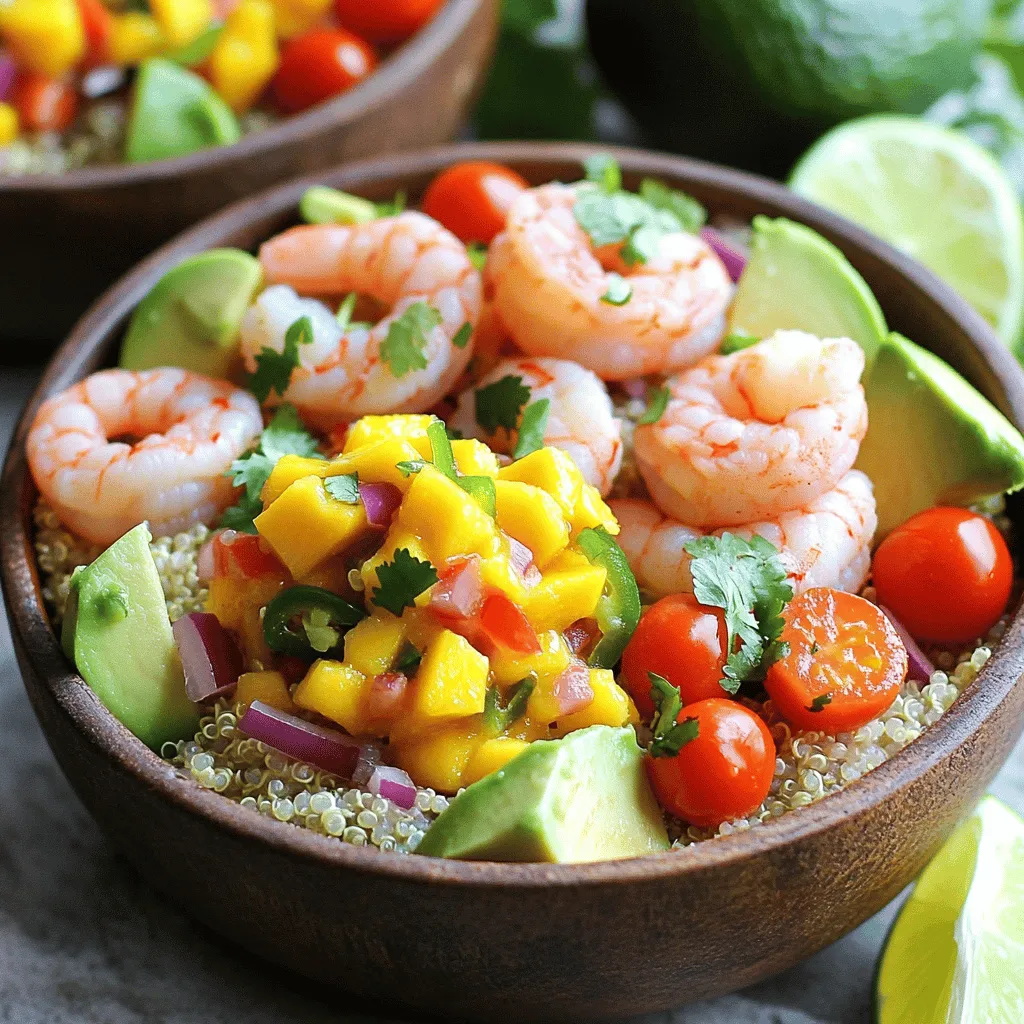
- 1 lb shrimp, peeled and deveined - 2 ripe avocados, diced - 1 cup cooked quinoa - 1 cup cherry tomatoes, halved - 1 small red onion, finely chopped - Juice of 2 limes - 1 ripe mango, diced - 1 small jalapeño, deseeded and minced - 1/2 red bell pepper, diced When I create shrimp and avocado bowls, I focus on fresh, bright flavors. The main ingredients are shrimp, avocados, and quinoa. Shrimp brings a sweet taste and a nice texture. Avocados add creaminess and healthy fats. Quinoa gives a hearty base that fills you up. For the additional ingredients, I use cherry tomatoes and red onion. Cherry tomatoes add a pop of color and sweetness. The red onion gives a nice crunch and sharp flavor. Lime juice ties it all together with a zesty kick. The mango salsa is where the magic happens. Mango adds a tropical sweetness. Jalapeño gives a mild heat, while red bell pepper adds crunch. Together, they create a fresh topping for the bowl. You can find the Full Recipe to guide you through making this dish. It’s easy to follow and will help you create a plate that looks and tastes amazing. Enjoy customizing your bowls with these vibrant ingredients! First, gather your ingredients for the mango salsa. In a bowl, combine: - 1 ripe mango, diced - 1 small jalapeño, deseeded and minced - 1/2 red bell pepper, diced - Juice of 1 lime - Salt, to taste Mix these well. Let the salsa marinate for at least 15 minutes. This helps the flavors blend and deepen. Next, it's time to cook the shrimp. Start by seasoning 1 pound of shrimp with salt and pepper. Heat 1 tablespoon of olive oil in a large skillet over medium-high heat. Add the shrimp and cook for 2-3 minutes on each side. The shrimp should turn pink and opaque. Once cooked, squeeze lime juice over the shrimp for extra flavor. Now, let’s build your bowls. Begin with a base of cooked quinoa, about 1 cup for each bowl. Top it with: - 2 ripe avocados, diced - The cooked shrimp - 1 cup of halved cherry tomatoes - 1 small red onion, finely chopped Finally, spoon a generous amount of the mango salsa over the top of the shrimp and veggies. This adds color and freshness to each bowl. For a complete guide, refer to the Full Recipe for detailed cooking steps. To make your shrimp pop, season them well. I suggest using salt, pepper, and lime juice. You can also try adding garlic powder or smoked paprika for more depth. For additional toppings, consider using sliced radishes or fresh corn. These add a nice crunch and extra color. Serve your bowls with lime wedges on the side. This gives your guests a chance to add more zing to their meal. For a fun touch, use ring molds. Layer the quinoa and toppings to create a beautiful height in the bowls. To cook shrimp perfectly, pay attention to their color. When they turn pink and opaque, they are done. Overcooking makes them rubbery, so keep a close eye. Choosing ripe avocados is simple. Look for avocados that yield slightly when pressed. If they feel too firm, give them a day or two to ripen. {{image_2}} If you're not in the mood for shrimp, you can switch it up. Chicken works great in this dish. Simply grill or sauté the chicken until it's cooked through. Tofu is another option. Press and cube it, then sauté until golden brown. If you prefer seafood, try scallops or crab. Both add a rich flavor and pair well with avocado. Feel free to get creative with the salsa. Instead of mango, use pineapple or peach for a different twist. You can also mix in diced cucumber for extra crunch. If you like it spicy, add more jalapeño or use a habanero pepper. For less heat, go for sweet bell peppers. This dish is easy to adapt for different diets. To make it gluten-free, simply ensure your ingredients are certified gluten-free. For a vegan option, replace shrimp with chickpeas or lentils. The creamy avocado will still give you that satisfying texture. You can also skip the honey in the salsa to keep it fully plant-based. To keep your shrimp and avocado bowls fresh, store leftovers in airtight containers. This helps prevent air and moisture from affecting taste. Place the shrimp and quinoa in one container. Keep the diced avocado and mango salsa in separate containers. This keeps them from browning and losing their flavor. For refrigeration, ensure your bowls cool to room temperature before sealing. This prevents condensation, which can make everything soggy. Store in the fridge for up to two days. Enjoy the freshness while you can! To reheat shrimp, use a skillet on low heat. This keeps the shrimp juicy and avoids overcooking. Stir gently until warmed through. For quinoa, add a splash of water and cover the skillet. This method keeps it fluffy and moist. To keep avocados fresh, only cut them when ready to eat. If you have leftover avocado, sprinkle lime juice on top to slow browning. For best results, eat them within a day. Can you freeze assembled bowls? I do not recommend it. The texture of shrimp and avocado changes when frozen. Instead, you can freeze individual components. Shrimp can freeze well if cooked. Place them in a freezer bag, squeezing out air. For quinoa, cool it completely before freezing. Store in an airtight container or freezer bag. You can keep these components for up to three months. When selecting shrimp, look for these tips: - Freshness: Choose shrimp that smell like the ocean, not fishy. - Appearance: Look for shrimp that are firm, moist, and have a shiny shell. - Size: Decide on the size you prefer, with larger shrimp being meatier. - Source: Buy from trusted vendors who offer sustainable seafood. Choosing the right shrimp ensures your dish tastes great and is safe to eat. Yes, you can prepare parts of this dish ahead of time. Here are some tips: - Cook the shrimp: You can cook the shrimp a few hours before serving. - Make the salsa: Prepare the mango salsa in advance. It tastes better after marinating. - Store separately: Keep the shrimp, salsa, and other ingredients separate until serving. This keeps everything fresh. Meal prepping saves time and lets you enjoy the dish later. You can pair these bowls with various side dishes. Consider these ideas: - Rice: Serve with cilantro lime rice for extra flavor. - Salad: A light green salad adds freshness. - Corn: Grilled corn on the cob makes a great side. - Chips: Tortilla chips with salsa can add crunch. These sides complement the shrimp and avocado bowls perfectly. You can find the full recipe for Shrimp and Avocado Bowls with Mango Salsa in the Full Recipe section. It has all the detailed cooking steps you need. In this blog post, we explored how to make tasty shrimp and avocado bowls. We detailed the key ingredients, like shrimp, avocados, and quinoa, along with tips to enhance flavors. You learned how to prepare mango salsa and cook shrimp perfectly. We also discussed variations, storage, and answers to common questions. These bowls are not just healthy; they're fun to make. Enjoy your cooking and try different ways to customize these dishes!
Savory Shrimp and Avocado Bowls with Mango Salsa
Looking for a fresh and easy meal that bursts with flavor? My Savory Shrimp and Avocado Bowls with Mango Salsa is your answer! This dish