Dinner

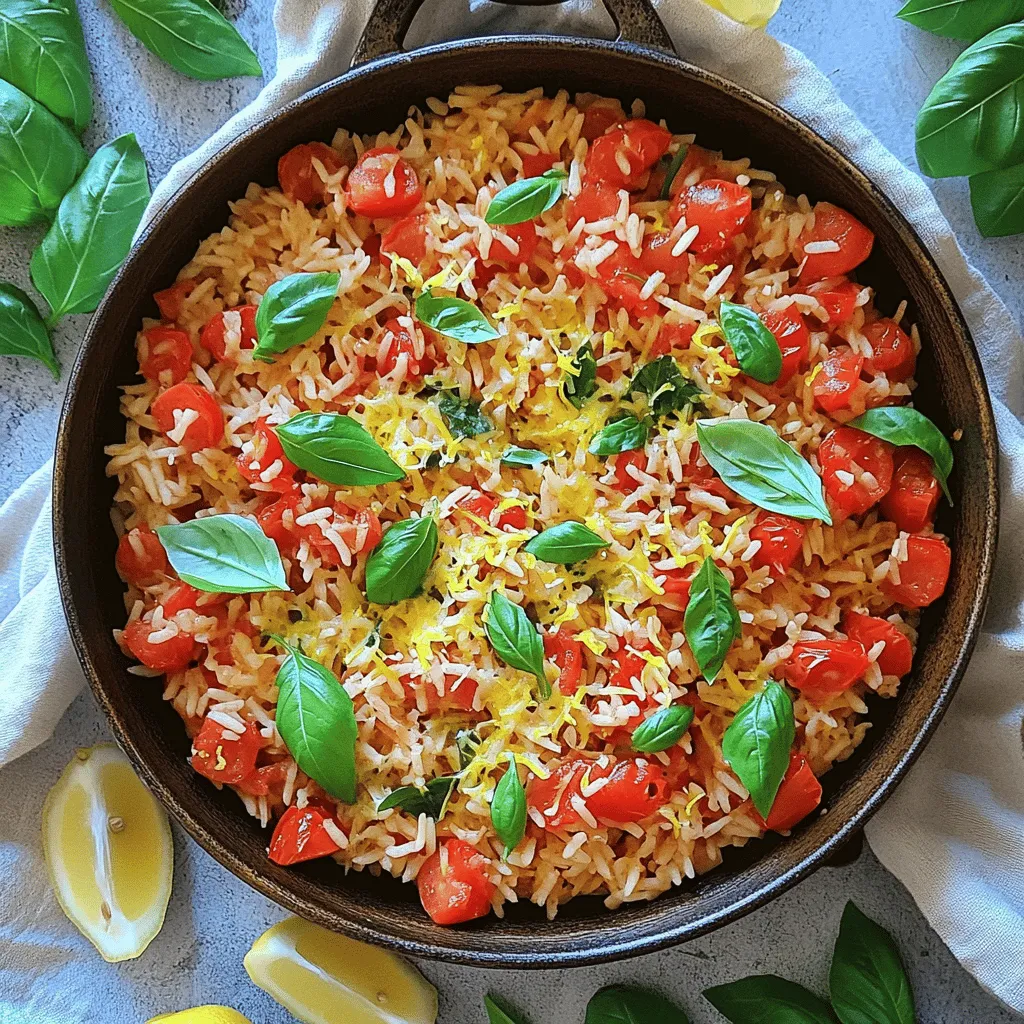
- 1 cup long-grain rice - 2 cups vegetable broth - 1 can (14 oz) diced tomatoes - 1 tablespoon olive oil - 1 small onion, finely chopped - 2 cloves garlic, minced - 1 teaspoon dried oregano - Salt and pepper to taste - ½ cup fresh basil leaves, chopped - ½ cup grated Parmesan cheese (optional) - Zest of 1 lemon In this Tomato Basil Rice Skillet, the ingredients come together to create a vibrant dish. The rice serves as the main base, soaking up all the flavors. I use long-grain rice for a fluffy texture. Vegetable broth brings depth and richness. Diced tomatoes add a sweet-tart burst. Olive oil gives a nice sheen and flavor. I love adding aromatics like onion and garlic. They form a strong foundation for the dish. The oregano adds an earthy note that pairs well with the tomatoes. You can adjust salt and pepper to your taste. Fresh basil is the star here. Its bright, herbal flavor lifts the entire dish. I also recommend adding lemon zest. It brings a refreshing zing. If you want a creamy touch, sprinkle in Parmesan cheese. With these ingredients, you’re set to make a delicious and easy meal. Each component plays a role, creating a satisfying dish. - Sauté onions and garlic Heat olive oil in a large skillet over medium heat. Add the finely chopped onion. Cook for 3-4 minutes until the onion is soft and clear. Next, add the minced garlic. Cook for one more minute. The smell will be amazing! - Toast the rice Add the uncooked long-grain rice to the skillet. Stir it well to coat with the oil and onion mix. Toast the rice for about 2 minutes, stirring frequently. This step adds a nice nutty flavor. - Add liquids and season Pour in the vegetable broth and add the can of diced tomatoes, including the juices. Season with salt and pepper to taste. Mix everything well to combine. - Cover and reduce heat Bring the mixture to a boil. Once it bubbles, reduce the heat to low. Cover the skillet with a lid. This helps the rice cook evenly and absorb all the flavors. - Cooking time and tips Let it simmer for 15-20 minutes. Check the rice around the 15-minute mark. If it’s tender and the liquid is gone, it’s done! If not, cover and let it cook a bit longer. - Stir in basil and cheese Once the rice is fully cooked, remove the skillet from heat. Stir in the chopped fresh basil and lemon zest. If you like cheese, add the grated Parmesan now. This adds richness and flavor. - Fluffing the rice Use a fork to gently fluff the rice. This helps mix all the ingredients and keeps the rice light and fluffy. Enjoy your flavorful meal! To get the best rice, start with the cooking time. Reduce it slightly if you want firmer rice. If you like softer rice, let it cook for a few extra minutes. Always check for doneness by tasting a grain. It should be tender but not mushy. You can add more herbs to boost flavor. Fresh thyme or parsley work great. Try adding a pinch of red pepper flakes for a kick. Also, don’t forget to adjust the salt and pepper. Taste as you go for the best results. Serve the rice right in the skillet for a cozy feel. Top it with extra fresh basil for color. A sprinkle of Parmesan cheese adds richness. Add lemon wedges on the side for a bright touch. This makes the dish pop and look inviting. {{image_2}} You can easily add protein to your Tomato Basil Rice Skillet. Chicken or shrimp work well. - For Chicken: Cut chicken breast into small pieces. Sauté it first until golden, then add the onions and garlic. This gives a nice flavor. - For Shrimp: Toss in peeled shrimp after the rice is toasty. Cook until they are pink and cooked through. If you prefer plant-based options, try chickpeas or tofu. Both add protein and texture. Just sauté them with the onions for better flavor. This dish is flexible with vegetables. You can include bell peppers, zucchini, or spinach. Each adds color and taste. - Seasonal Veggies: Use what’s fresh. Asparagus in spring or squash in fall can be tasty. - Frozen Options: Frozen peas or corn are easy to add. Just stir them in during the last few minutes of cooking. Adding veggies boosts nutrition and makes the meal more colorful. You can make this dish fit your diet easily. For a gluten-free option, use gluten-free rice. It cooks the same way. If you want it vegan, skip the Parmesan cheese. You can add nutritional yeast for a cheesy flavor. This keeps it plant-based while still tasting great. To store your Tomato Basil Rice Skillet, let it cool first. Place it in an airtight container. This helps keep the flavors fresh. You can store it in the fridge for up to 4 days. Make sure the lid is tight to avoid any spills or smells. When it’s time to eat leftovers, use a microwave or a skillet. If using the microwave, heat it in short bursts. Stir in between to warm it evenly. If you use a skillet, add a splash of broth or water. This helps keep the rice moist. Heat it on low to avoid burning. You can freeze portions of the rice skillet too! Divide it into small containers. Make sure to leave some space at the top for expansion. It can stay in the freezer for up to 3 months. When you’re ready to eat, thaw it in the fridge overnight. Then reheat using the same methods mentioned above. Enjoy the same great taste even later! You can use water instead. The dish will still taste good. Chicken broth works too if you eat meat. For more flavor, add herbs or a splash of soy sauce. This can give your rice a nice depth. Yes, you can! Cook the dish and let it cool. Store it in an airtight container in the fridge. It will last for about 3-4 days. When you’re ready to eat, just reheat it on the stove. Add a splash of water to keep it moist. To add heat, try red pepper flakes. Start with a pinch, then taste. You can also add diced jalapeños while cooking. This will bring a fresh heat without hiding the other flavors. Enjoy your spicy twist! This blog covered everything you need for a delicious rice dish. We explored essential ingredients, step-by-step instructions, and helpful tips to perfect your meal. I shared ways to enhance flavor and ideas for variations to fit your needs. Don't forget to store leftovers properly and reheat them like a pro. With these insights, you can enjoy a tasty, customized dish anytime. Get creative, try new ingredients, and have fun in your kitchen!
Tomato Basil Rice Skillet Flavorful and Easy Meal
Looking for an easy, delicious meal that bursts with flavor? Try my Tomato Basil Rice Skillet! This recipe is packed with vibrant ingredients and simple
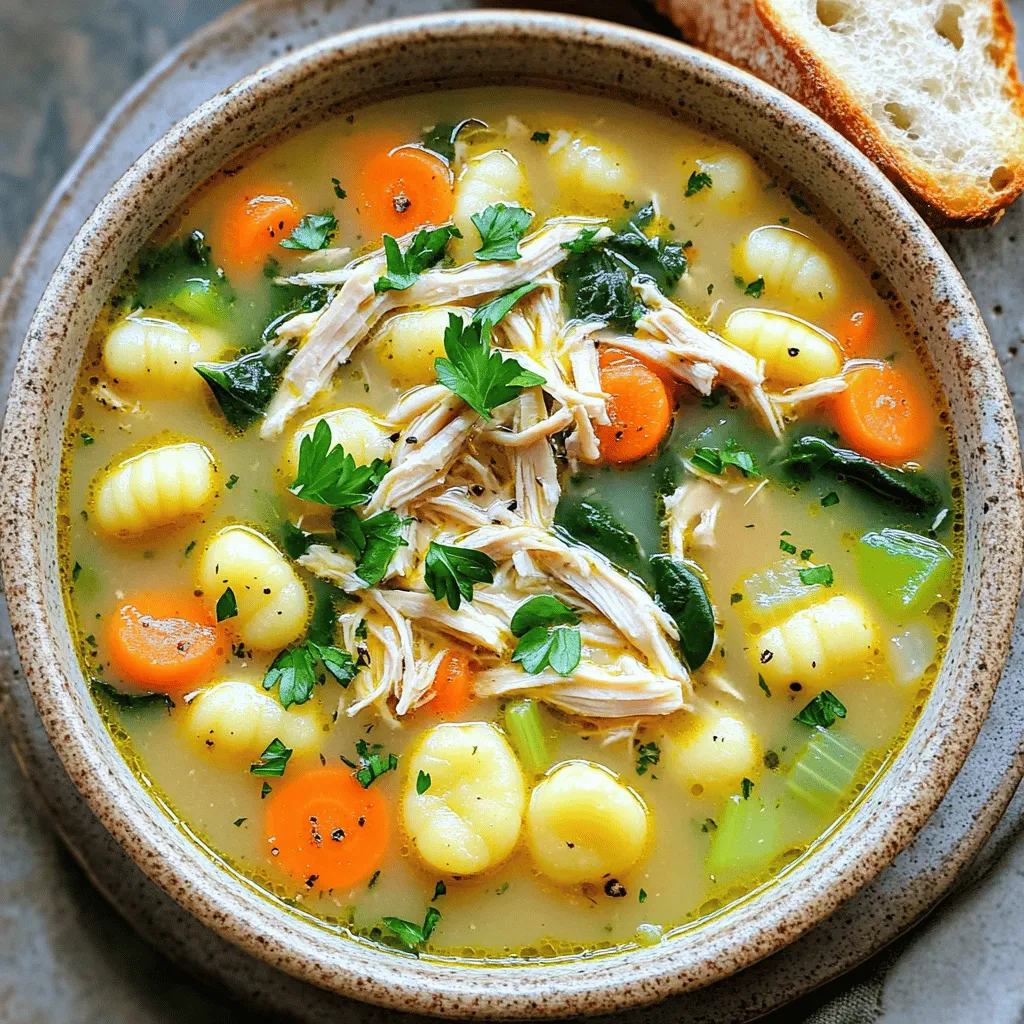
- 1 lb boneless, skinless chicken breasts - 4 cups chicken broth - 1 medium onion, diced - 2 cloves garlic, minced - 4 medium carrots, diced - 2 stalks celery, diced - 1 cup baby spinach - 1 cup heavy cream - 1 package (16 oz) potato gnocchi - Fresh parsley for garnish You need fresh ingredients for the best flavor. Start with chicken breasts. I like using boneless and skinless ones. They cook well and stay tender. Next, choose a good chicken broth. It adds depth to your soup. Diced onions and minced garlic bring an aromatic base. Carrots and celery add crunch and sweetness. Baby spinach gives a nice pop of color and nutrition. For creaminess, heavy cream does the trick. Finally, potato gnocchi makes it hearty and fun. - Olive oil - Dried thyme - Dried oregano - Salt and pepper to taste You will also need some pantry staples. Use olive oil to sear the chicken. Dried thyme and oregano add earthy notes. Salt and pepper enhance all the flavors in the soup. Make sure to have these on hand. They are key to making your soup shine. - Searing the Chicken Breasts in Olive Oil Start by heating 2 tablespoons of olive oil in a skillet. Place 1 pound of boneless, skinless chicken breasts in the hot oil. Sear each side for 2-3 minutes until they turn golden brown. This step adds flavor and locks in juices. - Transferring to Slow Cooker Once seared, carefully move the chicken breasts to your slow cooker. It’s important to keep all those delicious juices in the pan for later use. - Layering Vegetables Over Chicken Next, add 1 medium diced onion, 2 minced garlic cloves, 4 diced carrots, and 2 diced celery stalks over the chicken in the slow cooker. Layering these veggies gives the soup a rich flavor. - Incorporating Chicken Broth and Seasonings Pour in 4 cups of chicken broth. Then sprinkle 1 teaspoon each of dried thyme and oregano. Season with salt and pepper to taste. These herbs bring warmth and depth to the soup. - Setting Slow Cooker Temperature and Time Cover the slow cooker and set it to low for 6-7 hours or high for 4 hours. This slow cooking makes the chicken very tender and allows the flavors to blend. - Shredding the Chicken After Cooking After cooking, remove the chicken from the slow cooker. Use two forks to shred the chicken into bite-sized pieces. This makes it easy to enjoy in your soup. - Adding Gnocchi and Cream Stir in 1 package (16 oz) of potato gnocchi, 1 cup of heavy cream, and 1 cup of baby spinach. Cook on high for an additional 30 minutes. This will make the gnocchi tender and the soup creamy. Enjoy the warmth and comfort of this hearty soup! To make your soup pop with flavor, start with seasoning. Use salt and pepper to taste. These basics lift the dish and enhance all the other flavors. I recommend adding garlic for a warm taste. You can use fresh or dried garlic, depending on what you have. For herbs, dried thyme and oregano work well. These herbs add depth and warmth to your soup. If you're feeling adventurous, try fresh herbs like basil or parsley. They can brighten the dish when you add them at the end. Cooking gnocchi in the slow cooker is easy. Add them during the last 30 minutes of cooking. This way, they stay soft and don't get mushy. Stir gently to coat them in the creamy soup. To adjust creaminess, add more heavy cream if you want a richer soup. If you prefer a lighter soup, use less cream or substitute with milk. You can even add more chicken broth for a thinner texture. Just taste as you go to find your perfect balance! {{image_2}} You can change the protein in this soup. Try using turkey or even tofu. These swaps keep the dish tasty and fun. If you use turkey, keep the cooking time the same. For tofu, add it near the end to warm through. Mix in seasonal veggies for a fresh twist. In spring, try peas or asparagus. In fall, add sweet potatoes or butternut squash. These options bring color and flavor to your soup. Plus, they boost nutrition. If you need gluten-free gnocchi, look for brands made from rice or corn. Many stores sell these now. They work just as well and taste great in the soup. Just check the package for cooking times. To make the soup dairy-free, swap heavy cream for coconut milk or almond milk. These options add richness without dairy. Use unsweetened versions to keep the flavor balanced. Adjust the seasoning as needed. - Storing Leftovers Properly: Let your soup cool down first. Then, pour it into an airtight container. Seal it tight and place it in the fridge. Your soup stays fresh for up to three days. - Best Practices for Freshness: Always use clean utensils to scoop out the soup. This keeps germs away. If you notice any change in smell or color, throw it out. - How to Freeze Gnocchi Soup: Use freezer-safe containers or bags. Leave some space at the top, as the soup will expand. It can stay frozen for up to three months. - Thawing and Reheating Tips: To thaw, move the soup from the freezer to the fridge overnight. For quick thawing, place the sealed bag in cold water. Reheat it on the stove over low heat. Stir often until it’s hot. If the soup seems thick, add a splash of chicken broth or water. You can cook this soup on low for 6-7 hours. If you need it faster, cook it on high for about 4 hours. Both methods will give you tender chicken and rich flavors. Yes, you can! To make this soup without a slow cooker, use a large pot on your stove. Sear the chicken in the pot, then add the veggies and broth. Let it simmer for about 30-40 minutes. This way, you can still enjoy a cozy meal without the slow cooker. I love to serve this soup with a slice of crusty bread. It soaks up the broth nicely. You can also pair it with a simple green salad for a fresh touch. A light vinaigrette adds a nice zing to the meal. You’ve learned how to make a delicious chicken gnocchi soup. We covered the main ingredients, step-by-step instructions, and useful tips. Variations let you change flavors, while storage info helps keep leftovers fresh. Now, it’s your turn to enjoy this comforting meal. Whether you stick to the recipe or make it your own, this soup will warm your heart and fill your belly. Happy cooking!
Slow Cooker Chicken Gnocchi Soup Hearty and Easy Meal
Craving a warm, hearty meal that’s also easy to make? Look no further! This Slow Cooker Chicken Gnocchi Soup combines tender chicken, fresh veggies, and
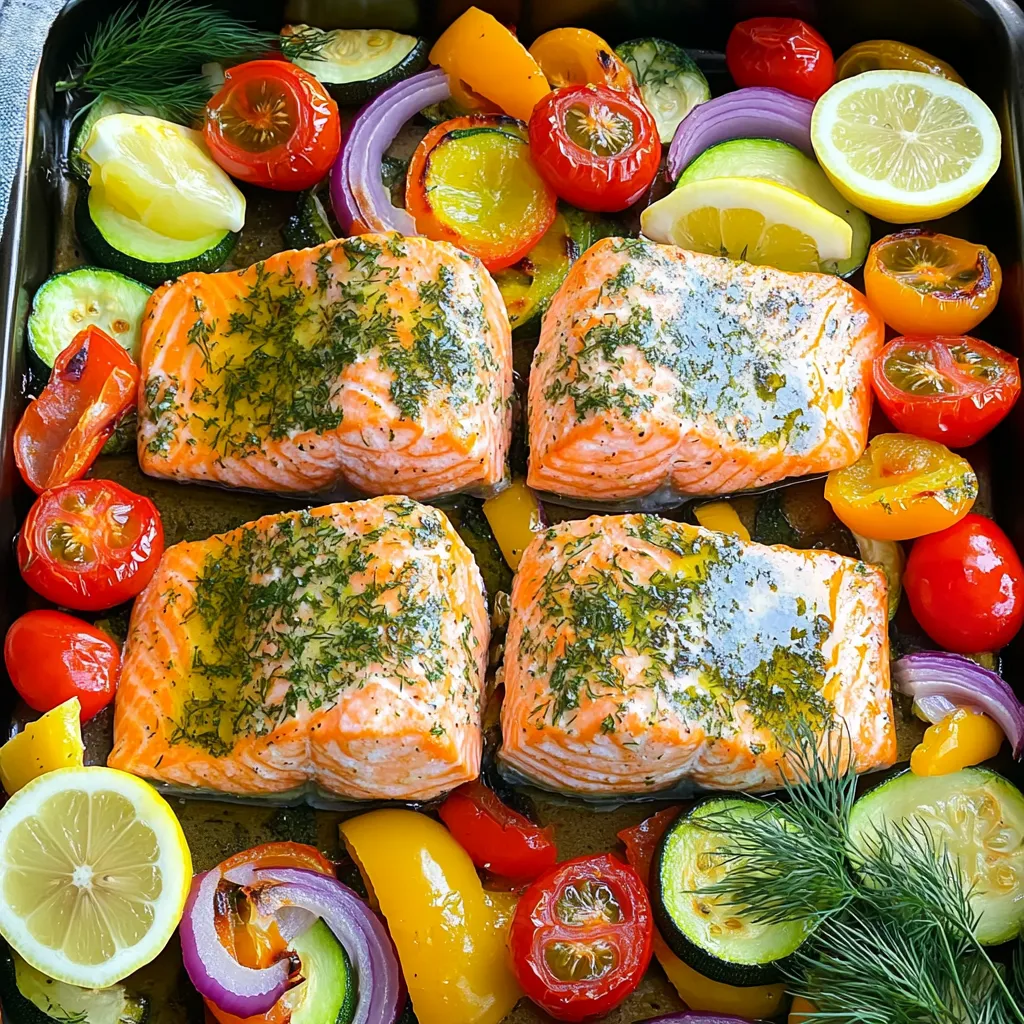
- 4 salmon fillets - 1 cup cherry tomatoes, halved - 1 zucchini, sliced into half-moons - 1 bell pepper (red or yellow), sliced - 1 red onion, cut into wedges - 3 tablespoons olive oil - 2 tablespoons fresh lemon juice - 2 cloves garlic, minced - 1 tablespoon fresh dill, chopped - 1 tablespoon fresh parsley, chopped - 1 teaspoon dried oregano - Salt and pepper to taste - Lemon wedges (for serving) This dish is all about vibrant flavors and easy prep. The main ingredients shine with fresh salmon and colorful veggies. Each veggie adds its own taste and texture. The cherry tomatoes burst with sweetness, while the zucchini and bell pepper add crunch. The red onion brings a nice bite. The herb and oil mixture is key. Olive oil keeps everything moist. Fresh lemon juice brightens the dish. Garlic adds depth, and the herbs give it a fresh, garden-like feel. Dill and parsley are my favorites to use here. They pair so well with salmon. Don’t skip the optional garnishes! Lemon wedges add a zesty touch when serving. They make the dish pop and balance the richness of the salmon. This meal is not just healthy; it’s also a feast for the eyes. - Preheat oven to 400°F (200°C). - Line the baking sheet with parchment paper. Start by preheating your oven. This step is key for even cooking. While the oven heats, line your baking sheet with parchment paper. This will help with cleanup later. - Whisk together olive oil, lemon juice, garlic, and herbs. - Prepare the salmon and vegetables for roasting. In a small bowl, mix the olive oil, lemon juice, minced garlic, dill, parsley, oregano, salt, and pepper. This mixture will add great flavor. Set it aside. Next, get your salmon and veggies ready. Place the salmon in the center of the baking sheet. Brush it with the herb mix. Then, arrange the cherry tomatoes, zucchini, bell pepper, and red onion around the salmon. Drizzle the rest of the herb oil over the veggies. Toss them gently so they are coated in the mix. - Arrange salmon and veggies on the sheet pan. - Baking time and doneness indicators. Now it's time to bake. Place the sheet pan in the oven and bake for 15-20 minutes. The salmon should be opaque and flake easily with a fork. The veggies should be tender and slightly caramelized. Keep an eye on it to ensure perfect doneness. Enjoy the wonderful aroma as it cooks! To achieve tender salmon, cook it at 400°F (200°C). This temperature helps keep the fish moist. Use a fish spatula to transfer the salmon. When the fish is ready, it should flake easily with a fork. Check for doneness by looking for opaque flesh. If it looks bright pink, it needs more time. Cut your veggies into similar sizes for even cooking. For cherry tomatoes, halving them helps release juices. Slice zucchini into half-moons. This shape allows for quick cooking. Bell peppers and red onions should be cut into thin strips for best results. To season the veggies, drizzle them with olive oil. A sprinkle of salt and pepper enhances their natural flavors. Serve the salmon and veggies right from the baking sheet. This style keeps it casual and fun. Garnish with fresh herbs and lemon wedges. They add color and brightness to the dish. For extra flavor, consider adding a sprinkle of red pepper flakes or a dash of balsamic vinegar. These additions can take your meal to the next level. {{image_2}} You can switch salmon for other proteins. Chicken breasts work well in this dish. Tofu is a great choice for a plant-based option. If you use chicken, cook for 20-25 minutes. For tofu, bake it for 15-18 minutes. Always check the doneness to ensure food safety. You can change up the veggies based on the season. In spring, try asparagus or snap peas. Summer calls for corn or green beans. In fall, use butternut squash or Brussels sprouts. You can use frozen vegetables, but fresh ones taste better. If using frozen, reduce the cooking time by a few minutes. Add spices or sauces to change the taste. A bit of chili powder adds heat. Honey or maple syrup gives a sweet touch. You can customize the herb mix too. Try basil, thyme, or rosemary for a different flavor. Experiment and find what you love! To keep your leftover sheet pan herb salmon and veggies fresh, follow these steps: - Refrigerate: Place leftovers in a shallow container. - Freeze: Use airtight containers or freezer bags for freezing. - Storage Containers: Glass or BPA-free plastic containers work best. They help keep moisture in. When you want to enjoy your leftovers, reheating is key. Here are the best methods: - Oven: Preheat to 350°F (175°C) and cover with foil. Bake for about 10 minutes. - Microwave: Heat on medium power in short bursts. Check often to avoid drying out. To keep your salmon juicy, add a splash of water before microwaving. Knowing how long you can store your dish is important: - Fridge: Your salmon and veggies last up to 3 days. - Freezer: They can stay good for 2-3 months. Watch for signs of spoilage like off smells or a change in color. If you see these signs, it’s best to discard the dish. Yes, you can use frozen salmon. Just make sure to thaw it first. Place it in the fridge overnight or run it under cold water. This helps it cook evenly. Frozen salmon may take a little longer to cook, so check for doneness as you go. The salmon is done when it turns opaque and flakes easily with a fork. You can also check the internal temperature. It should reach 145°F (63°C). This ensures it is safe to eat. You can serve this dish with rice, quinoa, or a fresh green salad. These sides add great texture and flavor. You can also pair it with crusty bread to soak up the juices. Yes, this recipe is great for meal prep. You can make it ahead and store it in the fridge. Just reheat it when you're ready to eat. It stays tasty for up to three days. To make this recipe keto-friendly, keep the veggies low-carb. Use zucchini and bell peppers, but skip starchy veggies. You can also add more healthy fats, like avocado, to boost the meal's richness. In this article, we explored how to make Sheet Pan Herb Salmon and Veggies. We discussed the main ingredients, steps for prep and baking, and tips for the best results. You can customize this dish with different proteins and seasonal veggies to fit your taste. Remember to store any leftovers properly for future meals. This simple recipe offers great flavor and is perfect for any occasion. Now, it’s your turn to try it and enjoy a tasty, healthy meal.
Savory Sheet Pan Herb Salmon and Veggies Recipe
Looking for a quick and tasty meal? This Savory Sheet Pan Herb Salmon and Veggies recipe is your answer! With just one pan, you’ll roast

- 1 lb smoked sausage, sliced - 1 cup long-grain white rice - 2 cups chicken broth - 1 cup heavy cream - 1 medium onion, diced - 2 cloves garlic, minced - 1 red bell pepper, diced - 1 green bell pepper, diced - 2 tablespoons Cajun seasoning - 1 teaspoon paprika - 1 cup frozen peas - 2 tablespoons olive oil - Salt and pepper to taste - Chopped green onions for garnish To make this creamy Cajun sausage rice skillet, gather these tasty ingredients. The smoked sausage gives a rich flavor. The long-grain rice absorbs all the creamy goodness. The chicken broth adds depth, while heavy cream ensures a smooth texture. - Alternatives for smoked sausage: You can use turkey sausage or chicken sausage for a lighter option. - Gluten-free rice options: Substitute with brown rice or cauliflower rice for a low-carb choice. - Dairy substitutes for heavy cream: Coconut cream or cashew cream works well for a dairy-free version. Using these simple swaps can help you tailor the dish to fit your needs. Enjoy experimenting! To start, heat olive oil in a large skillet over medium heat. Add the sliced smoked sausage. Cook it for about 5 to 7 minutes until it turns a nice brown color. This step adds a lot of flavor to the dish. Once browned, remove the sausage from the skillet and set it aside. Next, it's time to cook the vegetables. In the same skillet, add diced onion, minced garlic, and the red and green bell peppers. Sauté these for about 5 minutes. You want the onions to look clear and the peppers to be tender. Good texture in your veggies makes the dish more enjoyable. Now, let’s combine the ingredients. Return the sausage to the skillet. Then, pour in the long-grain white rice, Cajun seasoning, and paprika. Stir everything together. This step layers flavors nicely. Cook for 2 to 3 minutes. It helps the rice toast slightly and absorb all those great flavors. Then, pour in the chicken broth and heavy cream. Bring the mixture to a gentle boil. After that, reduce the heat to low and cover the skillet. Simmer this for 15 to 20 minutes. This allows the rice to cook fully and absorb most of the liquid. Adjust the heat as needed to keep it simmering gently. Finally, stir in the frozen peas and cook for another 5 minutes, uncovered. This adds a pop of color and sweetness. After cooking, it's important to let the dish rest for a few minutes before serving. This helps the flavors settle. Serve the dish straight from the skillet and enjoy! To make this dish your own, adjust the spice levels to your taste. If you love heat, add extra Cajun seasoning or a dash of hot sauce. For a milder flavor, start with less seasoning and add more as you cook. Achieving a creamy texture is key. Use heavy cream for rich flavor. If you want a lighter option, substitute with half-and-half or a dairy-free cream. Always stir well to mix in the cream with other ingredients. This creamy Cajun sausage rice skillet pairs well with crusty bread. The bread absorbs the creamy sauce perfectly. You can also serve it with a crisp green salad to balance the richness of the dish. For a beautiful presentation, serve directly from the skillet. Garnish with chopped green onions. The bright green color adds a nice touch. You can also sprinkle some paprika on top for extra color. If you need to feed more people, easily scale the recipe. Double the ingredients for a larger batch. Just make sure your skillet is big enough to hold everything. For meal prep, cook this dish ahead of time. Store it in the fridge for up to 3 days. When ready to eat, simply reheat on the stove or in the microwave. Enjoy a quick, tasty meal that feels fresh! {{image_2}} You can change up this dish easily. Adding vegetables makes it even better. Spinach or zucchini can add color and nutrition. Just toss them in with the onion and peppers. You can also use different proteins. Chicken or shrimp work well. If you like a vegetarian version, try using plant-based sausage. To boost flavor, add heat and depth. You can include diced jalapeños or a dash of hot sauce. This will give your dish a nice kick. Fresh herbs can brighten the meal too. Try adding chopped parsley or cilantro before serving. These will make every bite fresh and tasty. If you want a vegan or vegetarian dish, replace the sausage and cream. Use plant-based sausage and coconut cream instead. This keeps the creamy texture. For those watching carbs, you can swap rice for cauliflower rice. It cooks faster and keeps it light. Enjoy these variations to fit your needs! To store leftovers, let the dish cool first. Place it in airtight containers. This helps keep it fresh. You can store it in the fridge for up to 3 days. Avoid using metal containers as they can react with the cream. Glass or plastic containers work best. Reheat the dish in a skillet over low heat. Add a splash of chicken broth or cream. This keeps the dish creamy and moist. Stir often to avoid sticking. You can also use the microwave. Heat in short bursts and stir in between. This helps maintain the texture without drying it out. To freeze the dish, let it cool completely. Place it in freezer-safe containers. Make sure to leave some space for expansion. It can last up to 2 months in the freezer. When you are ready to eat, thaw it overnight in the fridge. Reheat slowly on the stove or in the microwave. Add a bit of cream or broth to restore creaminess. This dish lasts about 3 to 4 days in the fridge. Store it in an airtight container. Make sure it cools before sealing it. Reheat portions in the microwave or on the stove. Yes, you can use uncooked rice. Just adjust the liquid. Use 2.5 cups of chicken broth instead of 2 cups. Add the uncooked rice with the sausage and broth, then simmer. This helps the rice cook fully and absorb all the flavors. This dish pairs well with a fresh green salad. Garlic bread is also a great choice. You can serve it alongside roasted vegetables or cornbread for extra flavor. These sides complement the creamy texture nicely. Yes, you can make this dish ahead of time. Prepare it completely and let it cool. Store it in the fridge for up to 4 days. Reheat it gently when ready to serve. This makes meal planning easy. The dish has a mild spice from Cajun seasoning. If you want it spicier, add more seasoning. Try adding red pepper flakes for extra heat. You can also use a spicier sausage to enhance the flavor. Adjust according to your taste. This blog post covered a delicious creamy Cajun sausage rice skillet. You learned about the key ingredients, cooking steps, and tips to enhance flavor. We discussed common substitutions and how to store leftovers effectively. In closing, this dish is simple and versatile. You can adjust it to fit your taste. Whether for one or a crowd, this recipe shines. Enjoy making it your own and delight in every bite.
Creamy Cajun Sausage Rice Skillet Savory One-Pan Meal
If you’re craving a comforting meal that bursts with flavor, you need to try my Creamy Cajun Sausage Rice Skillet. This one-pan dish combines smoky

For these tacos, you need simple ingredients that pack a punch. Start with: - 1 lb (450g) boneless, skinless chicken breasts - 1 cup salsa verde (store-bought or homemade) - 1 teaspoon ground cumin - 1 teaspoon garlic powder - 1 teaspoon onion powder - Salt and pepper to taste The chicken is the star. I love using boneless, skinless chicken breasts. They cook well and shred easily. The spices add depth. Ground cumin gives warmth, while garlic and onion powder enhance flavor. Salsa verde is key. You can use store-bought for ease. It’s quick and tasty. If you want to make it at home, combine tomatillos, jalapeños, cilantro, and lime juice. Blend until smooth for a fresh taste. Toppings make these tacos shine. Here’s what you need: - 8 small corn tortillas - 1 cup shredded cabbage - 1/2 cup crumbled queso fresco - 1/4 cup fresh cilantro, chopped - 1 avocado, sliced - Lime wedges for serving Shredded cabbage adds crunch. Queso fresco brings creaminess. Fresh cilantro gives a burst of flavor. Sliced avocado adds richness and nutrients. Don’t forget lime wedges! They add a zesty kick. You can also serve these tacos with rice or beans for a hearty meal. Slow Cooker Instructions 1. Place 1 lb of chicken breasts in your slow cooker. 2. Season with 1 teaspoon each of cumin, garlic powder, and onion powder. 3. Add salt and pepper to taste. 4. Pour 1 cup of salsa verde over the chicken. 5. Cover and cook on low for 6-8 hours or high for 3-4 hours. 6. When done, shred the chicken with two forks right in the pot. Instant Pot Instructions 1. Add the chicken breasts to the Instant Pot. 2. Season as you would for the slow cooker. 3. Pour in the salsa verde. 4. Seal the lid and cook on high pressure for 15 minutes. 5. Let the pressure release naturally. 6. Shred the chicken in the pot after cooking. How to Warm Tortillas 1. Heat a skillet over medium heat. 2. Place a tortilla in the skillet for 30 seconds. 3. Flip and warm the other side for another 30 seconds. 4. Repeat for all tortillas. Tips for Ideal Taco Assembly 1. Start with a warm tortilla on your plate. 2. Add a generous scoop of pulled chicken. 3. Layer on shredded cabbage for crunch. 4. Sprinkle crumbled queso fresco for creaminess. 5. Finish with fresh cilantro and avocado slices. 6. Serve with lime wedges for a zesty kick. To make the best pulled chicken, adjust the seasoning to your taste. Start with the basic spices: cumin, garlic powder, and onion powder. If you like more heat, add a pinch of cayenne pepper or chili powder. Always taste the mixture before cooking. This helps ensure the flavors match what you enjoy. To keep the chicken tender, use a slow cooker or an instant pot. Cooking it low and slow allows the meat to absorb all the flavors. If using an instant pot, the high pressure cooks the chicken quickly while keeping it moist. Regardless of the method, the chicken should easily shred with two forks when done. To take your tacos to the next level, consider adding extra spices and fresh herbs. Fresh cilantro adds a bright note. You can also sprinkle in some smoked paprika for a rich, smoky flavor. Don’t forget about the toppings! Shredded cabbage adds crunch and freshness. Crumbled queso fresco gives a creamy texture. Slices of avocado provide healthy fats and smoothness. Lime wedges are a must; they add a zesty kick that brightens every bite. Enjoy experimenting with different combinations to find your favorite! {{image_2}} You can switch chicken with other meats. Pork works great with salsa verde. It adds a rich flavor. Beef is also a good choice. Use chuck roast for best results. Want a lighter dish? Try turkey instead. Ground turkey or shredded turkey both taste good. If you prefer a meatless option, there are many choices. You can use jackfruit as a substitute. It shreds easily and soaks up flavors. Another great option is mushrooms. Use portobello or shiitake for deep taste. Cook them in salsa verde for a rich flavor. For a plant-based version, gather these ingredients: - 2 cans of young green jackfruit in water - 1 cup salsa verde (store-bought or homemade) - 1 teaspoon ground cumin - 1 teaspoon garlic powder - 1 teaspoon onion powder - Salt and pepper to taste - 8 small corn tortillas - 1 cup shredded cabbage - 1/4 cup fresh cilantro, chopped - 1 avocado, sliced - Lime wedges for serving To prepare without chicken, drain and rinse jackfruit. Remove the core and seeds. Tear the jackfruit into pieces. In a slow cooker, mix jackfruit with salsa verde, cumin, garlic powder, onion powder, salt, and pepper. Cook on low for 6-8 hours or high for 3-4 hours. After cooking, shred jackfruit with forks. Serve on warm tortillas. Top with cabbage, cilantro, and avocado. Enjoy your vegan tacos! To keep your pulled chicken fresh, store it in an airtight container. Place it in the fridge within two hours of cooking. This way, the chicken stays juicy and safe to eat. Try to eat the leftovers within three days for the best taste. When you reheat the chicken, do it gently. Use a microwave or a skillet over low heat. This helps keep the flavor intact. Stir the chicken as it warms up. This way, it heats evenly and stays moist. If you want to save the pulled chicken for later, freezing is a great option. To freeze, let the chicken cool first. Then, place it in a freezer-safe bag or container. Remove as much air as you can to prevent freezer burn. It can last for up to three months in the freezer. When you are ready to eat it, take it out and thaw it in the fridge overnight. You can also use the microwave for quick thawing. Reheat it slowly, as mentioned before, to keep the flavors rich. Can I use frozen chicken? Yes, you can use frozen chicken. Just make sure to add extra time when cooking. If you use a slow cooker, it may take 8-10 hours on low. For an instant pot, add 5 more minutes to the cooking time. The chicken will still be juicy and flavorful. What can I substitute for salsa verde? If you need a substitute, try green enchilada sauce or tomatillo salsa. You can also blend fresh herbs like cilantro, green peppers, and lime juice for a quick homemade version. These options keep the dish tasty and vibrant. How to make your own salsa verde? To make salsa verde, blend these ingredients: - 6-8 tomatillos, husked and halved - 1/2 onion, roughly chopped - 1-2 jalapeños, seeded for less heat - 1 cup fresh cilantro - Juice of 1 lime - Salt to taste Roast the tomatillos and jalapeños for extra flavor. Blend everything until smooth and enjoy! How to serve with sides for a complete meal? Pair tacos with a side of black beans or Mexican rice. You can also serve corn on the cob or a fresh salad. These sides add nutrition and make the meal more filling. For drinks, consider agua fresca or a light beer to complement the flavors. This blog post covered everything you need for making delicious pulled chicken tacos. We explored main ingredients, like chicken, salsa verde, and tasty toppings. I shared cooking methods for a slow cooker and an Instant Pot. You learned tips to perfect your chicken and explored fun variations for all diets. Store leftovers wisely to keep them tasty. With these insights, you can enjoy flavorful tacos that impress friends and family. Remember, the right toppings and personal touches make each taco unique and special. Happy cooking!
Salsa Verde Pulled Chicken Tacos Easy and Fl flavorful
Get ready for a flavor explosion! Salsa Verde Pulled Chicken Tacos are easy to make and simply delicious. Whether you choose store-bought salsa or whip
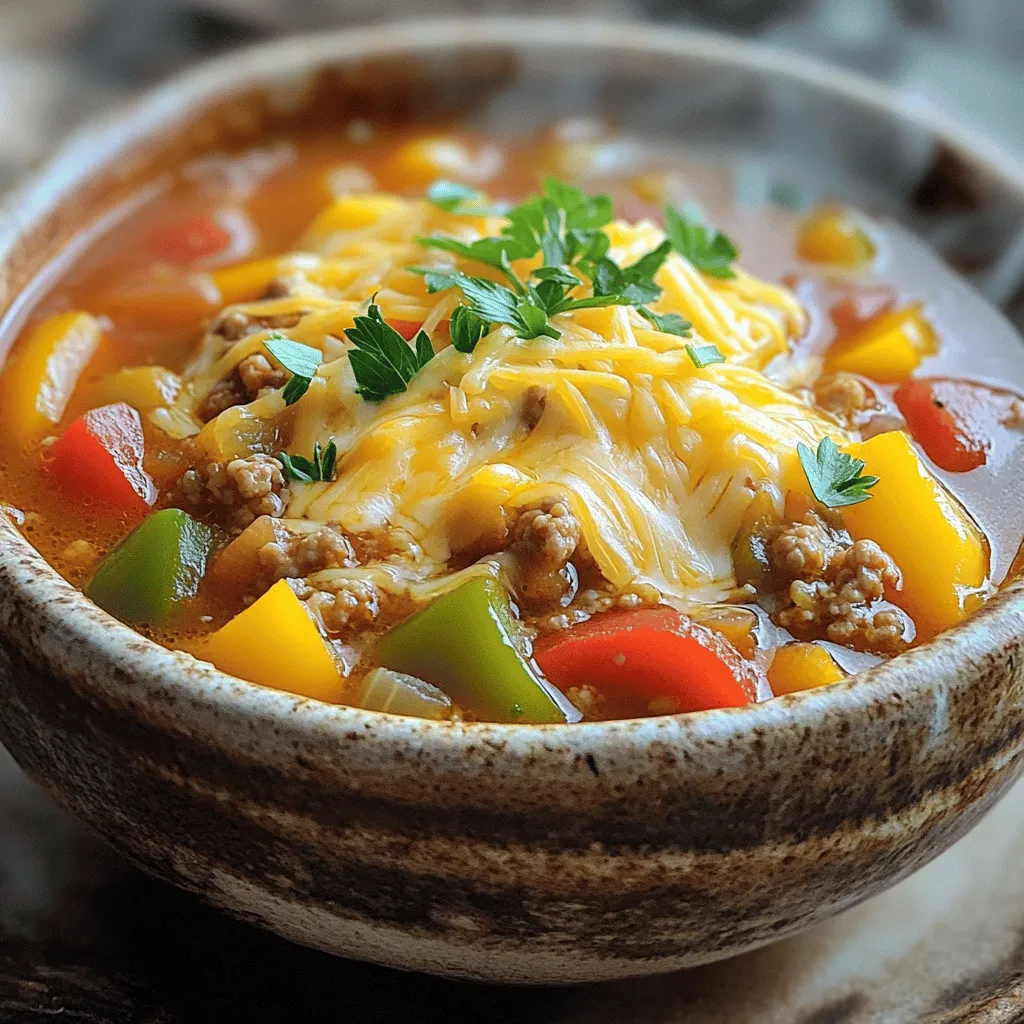
- 4 large bell peppers (red, yellow, or green), diced - 1 pound ground turkey or beef - 1 medium onion, chopped - 2 cloves garlic, minced - 1 can (14 oz) diced tomatoes - 4 cups vegetable or chicken broth - 1 cup cooked quinoa or rice The main ingredients bring life to the soup. Bell peppers add color and sweetness. Ground turkey or beef gives it heartiness. Onion and garlic add depth and warmth. Diced tomatoes provide acidity and balance. Broth makes the soup rich and comforting. Quinoa or rice offers a nice texture for every spoonful. - 1 tablespoon Italian seasoning - 1 teaspoon smoked paprika - Salt and pepper to taste - 1 cup shredded cheese (cheddar or Monterey Jack), for topping - Fresh parsley or basil, for garnish Seasonings transform this soup into a gourmet dish. Italian seasoning adds herbs that sing with flavor. Smoked paprika lends a hint of warmth and smoke. Salt and pepper are essential for balance. Toppings like shredded cheese melt beautifully on each bowl. Fresh herbs like parsley or basil brighten each serving and add a fresh touch. Start by heating a skillet over medium heat. Add one pound of ground turkey or beef. Cook the meat until it's brown all over. This should take about 5 to 7 minutes. Be sure to stir it often. Once done, drain the excess fat from the skillet. Set the meat aside for later use. In the same skillet, add one chopped onion and two cloves of minced garlic. Cook them until fragrant. This usually takes about 3 to 4 minutes. You want the onions to turn soft and translucent. This step adds a rich base to your soup. Now, grab your slow cooker. Combine the diced bell peppers, cooked meat, sautéed onions, and garlic. Also add one can of diced tomatoes and four cups of vegetable or chicken broth. Next, stir in one cup of cooked quinoa or rice, one tablespoon of Italian seasoning, one teaspoon of smoked paprika, and salt and pepper to taste. Mix everything well for even flavor. Cover the slow cooker with its lid. You can set it to low for 6 to 8 hours or high for 3 to 4 hours. Check the bell peppers for tenderness to know it's done. They should be soft but not mushy. This slow cooking allows all the flavors to blend beautifully. To make your soup taste even better, try adding different spices. You can use cumin or chili powder for a warm kick. A pinch of crushed red pepper can add heat. Fresh herbs like parsley and basil are a must. They bring a bright taste that dried herbs can't match. Add them just before serving to keep their flavor fresh. To keep bell peppers tender, cut them into small, even pieces. This helps them cook evenly. If you like a thicker soup, add more cooked quinoa or rice. For a thinner soup, just add more broth. You can also use a blender to puree part of the soup for a creamier texture. This soup pairs well with crusty bread or a fresh salad. A dollop of sour cream or Greek yogurt adds creaminess. When garnishing, sprinkle cheese on top while it's hot. Add fresh herbs for a pop of color and flavor. Serve it warm for the best taste. {{image_2}} You can swap ground turkey or beef for chicken. Chicken gives a lighter taste. You may also try plant-based proteins like lentils or tempeh. These options add a nice texture and flavor. Here are some pros and cons: - Ground Turkey: Lean and healthy but can be dry. - Ground Beef: Rich and hearty but higher in fat. - Chicken: Mild flavor and low fat but can be bland if not seasoned. - Plant-Based: Great for vegans and adds fiber but may need more spices. To make this soup vegetarian or vegan, skip the meat. Use beans or lentils for protein. You can also use nutritional yeast for a cheesy flavor. Here are some good plant-based swaps: - Beans: Black beans or kidney beans add protein and fiber. - Quinoa: Use as a base for texture and nutrition. - Nutritional Yeast: Offers a cheesy taste without dairy. - Plant-Based Cheese: Use for a creamy topping if desired. Feel free to add more veggies for extra flavor and nutrition. Some great choices are: - Zucchini: Adds moisture and a mild taste. - Carrots: Sweetness balances the savory flavors. - Spinach: Wilts down nicely and boosts vitamins. - Corn: Adds sweetness and color. You can also consider the seasonality of ingredients. Use fresh vegetables in summer and root vegetables in winter. This keeps your soup vibrant and fresh all year round. To keep your soup fresh, use airtight containers. Glass or plastic containers work well. Make sure they seal tightly. This way, you can store it safely in the fridge. The soup will last for about 3 to 5 days. If you want to store it longer, freezing is a great option. Use freezer-safe bags or containers. Label them with the date. Your soup can last in the freezer for up to 3 months. When it's time to eat, warm your soup gently. The best way is on the stove over low heat. Stir it often to prevent sticking. If you use a microwave, heat it in short bursts. Stir in between to keep it even. To refresh your leftovers, add toppings. A sprinkle of cheese adds extra flavor. Fresh herbs like parsley or basil bring a nice touch. This makes your soup feel new again. Yes, you can use frozen vegetables. They save time and add nutrition. However, using frozen veggies can change the soup's texture. Frozen bell peppers may become softer than fresh ones. If you choose frozen, add them in the last hour of cooking. This way, they stay a bit firmer. This soup will last for about 3 to 4 days in the fridge. Store it in an airtight container to keep it fresh. Always check for any signs of spoilage before eating leftovers. If you notice any strange smells or colors, it's best to toss it. Eating safe food is very important! You can swap brown rice for quinoa. Brown rice has a chewier texture and a nutty flavor. Quinoa cooks faster and adds protein. The choice depends on what you like. If you use brown rice, make sure it is fully cooked before adding it to the soup. This ensures everything is tender and delicious. This blog post covered a hearty soup recipe that features bell peppers, ground turkey or beef, and diced tomatoes. I shared step-by-step instructions to help you create this dish easily. We discussed tips for flavor and texture and explored variations to cater to different diets. Lastly, I provided storage tips and answered common questions. Cooking this soup can boost your confidence in the kitchen while enjoying a nutritious meal. Enjoy experimenting with flavors and ingredients to make it your own!
Slow Cooker Stuffed Pepper Soup Flavorful Comfort Dish
If you crave a warm, hearty meal, let me introduce you to Slow Cooker Stuffed Pepper Soup. This dish combines all the sweet flavors of
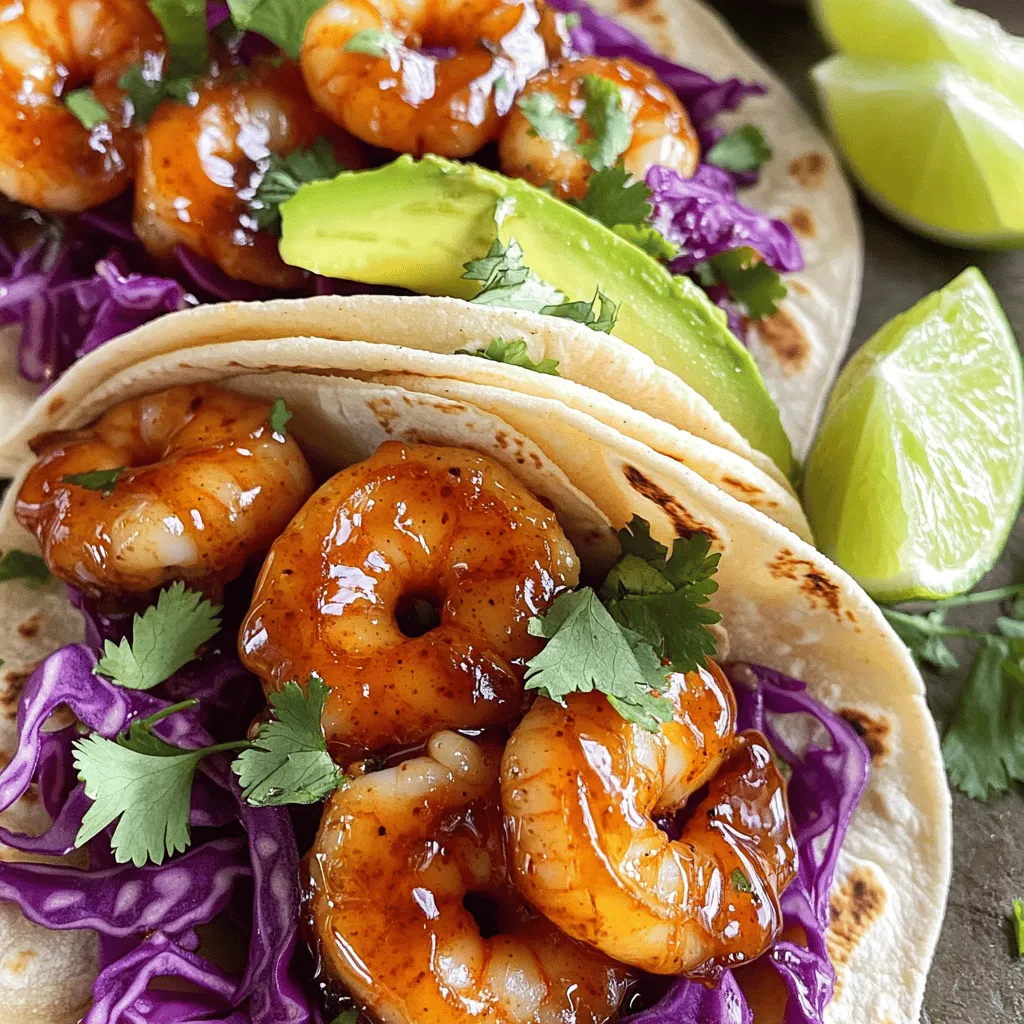
For my Honey Sriracha Shrimp Tacos, you will need: - 1 lb shrimp, peeled and deveined - 2 tablespoons honey - 2 tablespoons Sriracha sauce - 1 tablespoon lime juice - 1/2 teaspoon garlic powder - 1/2 teaspoon paprika - 1 tablespoon olive oil - Salt and pepper to taste - 8 small corn tortillas - 1 cup purple cabbage, shredded - 1/4 cup fresh cilantro, chopped - 1 avocado, sliced - Lime wedges for serving When I measure my ingredients, I focus on fresh and precise amounts. For shrimp, use one pound. For honey and Sriracha, two tablespoons each gives the right balance of sweet and spicy. A tablespoon of lime juice adds brightness. The garlic powder and paprika are half a teaspoon each. Olive oil also needs one tablespoon. Use salt and pepper to your taste. For tortillas, choose eight small corn ones. Aim for one cup of shredded purple cabbage and a quarter cup of chopped cilantro. Finally, one sliced avocado adds creaminess, and lime wedges are for serving. Quality makes a big difference. Choose fresh shrimp that smells like the ocean. The honey should be pure and not blended with other syrups. Look for Sriracha that has a good mix of heat and flavor. Fresh lime juice is best, so avoid bottled juice if possible. For spices, check the expiration date. Fresh herbs should look vibrant and not wilted. Use ripe avocados for creaminess. Finally, choose good corn tortillas that are soft and pliable. These small choices can elevate your tacos from good to great! Start by grabbing a medium bowl. Add 2 tablespoons of honey. Next, pour in 2 tablespoons of Sriracha sauce. Squeeze in 1 tablespoon of lime juice. Then, sprinkle in 1/2 teaspoon of garlic powder and 1/2 teaspoon of paprika. Drizzle 1 tablespoon of olive oil into the mix. Add salt and pepper to taste. Whisk everything until it becomes smooth and well-blended. Now, take your 1 lb of shrimp, which should be peeled and deveined. Toss the shrimp in the marinade. Make sure every piece gets a good coat. Let it sit for 15-20 minutes. This step helps the flavors soak in. Heat a skillet over medium-high heat. When the skillet is hot, add your marinated shrimp. Cook the shrimp for 2-3 minutes on each side. They should turn opaque and be fully cooked. Watch them closely to avoid overcooking. The shrimp will be tender and juicy when done. While the shrimp cooks, warm your corn tortillas. Use a separate skillet on low heat. Warm each tortilla for about 30 seconds on each side. This makes them soft and easy to fold. Once the shrimp is ready, it’s time to build your tacos. Place a generous amount of shrimp on each tortilla. Top them with 1 cup of shredded purple cabbage and slices of 1 avocado. Finally, sprinkle with 1/4 cup of chopped fresh cilantro. Serve the tacos right away with lime wedges on the side. These add a nice zesty flavor. Enjoy your Honey Sriracha Shrimp Tacos! To keep shrimp tender, cook them quickly. They cook fast, taking only 2-3 minutes per side. Watch for their color change. When they turn pink and opaque, they are done. If you overcook them, they become tough and rubbery. Always remove them from heat as soon as they’re cooked. Warm tortillas make a big difference. Place them in a skillet on low heat. Heat each side for about 30 seconds. This softens them, making them easy to fold. You can also wrap them in a damp cloth and microwave them for about 20 seconds. Choose small corn tortillas for the best flavor. Add extra flavor to your tacos with simple toppings. Fresh lime juice brightens the dish. You can also add sliced jalapeños for heat. If you want a cool touch, try sour cream or yogurt. Avocado adds creaminess and richness. Experiment with different herbs, like mint or basil, to make it unique. {{image_2}} You can swap shrimp for chicken or tofu. Chicken thighs work great. Cut them into small pieces. Marinate just like the shrimp. Cook until they are golden brown. For tofu, use firm tofu. Press it to remove water. Cut it into cubes, marinate, and then sauté. Both options bring unique flavors. Toppings add fun and flavor. Try using mango salsa for a sweet twist. You can also add diced tomatoes or jalapeños for added freshness. Consider using feta cheese or cotija for a creamy touch. Pickled red onions give a nice tang. Explore your favorites and mix them up! If Sriracha is too spicy, try sweet chili sauce instead. It adds sweetness without much heat. You can also use mild hot sauce for a less fiery kick. For a smoky flavor, try chipotle sauce. Each option gives a unique twist to your tacos. Keep experimenting to find your perfect heat level! After enjoying your Honey Sriracha shrimp tacos, you may have some leftovers. Store them in an airtight container. Keep the shrimp and tortillas separate. This helps maintain the taco's texture. You can refrigerate them for up to two days. If you want to keep them longer, freeze the shrimp and tortillas separately. They'll last up to three months in the freezer. To reheat the shrimp, place them in a skillet over medium heat. Stir them every minute until they are warm. This keeps the shrimp juicy. For the tortillas, warm them in a dry skillet for about 30 seconds on each side. This will make them soft and pliable again. Avoid microwaving the tortillas, as this can make them tough. Use glass or plastic containers with tight lids for best results. If freezing, use freezer-safe bags or containers. Remove as much air as possible from bags before sealing. This prevents freezer burn. Label your containers with the date to track freshness. This simple step helps you enjoy your tacos at their best. Yes, you can prepare the shrimp marinade ahead of time. Mix honey, Sriracha, lime juice, garlic powder, paprika, olive oil, salt, and pepper in a bowl. Store this mixture in the fridge for up to 24 hours. However, I recommend cooking the shrimp fresh. Cooked shrimp can lose their texture when stored. You can warm the tortillas and prepare toppings before serving. This way, you keep everything fresh and tasty. These tacos shine with some great sides. Here are some of my favorites: - Mexican street corn: Grilled corn with lime and cheese. - Black beans: Simple and flavorful. - Chips and salsa: A classic pairing. - Guacamole: Creamy and rich, it complements the shrimp. - Rice: Cilantro lime rice works well too. These sides add flavor and texture, making your meal more complete. The spice level is mild to medium. The Sriracha sauce gives a nice kick, but the honey balances it out. If you want less heat, reduce the Sriracha. You can also add more honey for sweetness. For more spice, add fresh jalapeños or a dash of cayenne pepper. Adjust it to your taste! Enjoy customizing your meal! You now have a complete guide to making Honey Sriracha Shrimp Tacos. We covered ingredients, preparation, and cooking steps. You learned tips to avoid overcooking shrimp and enhance flavors. I shared variations for different proteins and toppings to suit your taste. Plus, I included storage tips to keep leftovers fresh. Try making these tacos for a tasty meal. Enjoy exploring the different flavors and options!
Honey Sriracha Shrimp Tacos Tangy Flavor Sensation
Are you ready to spice up your taco night? Honey Sriracha Shrimp Tacos combine sweet and spicy flavors for a delicious meal. In this blog,
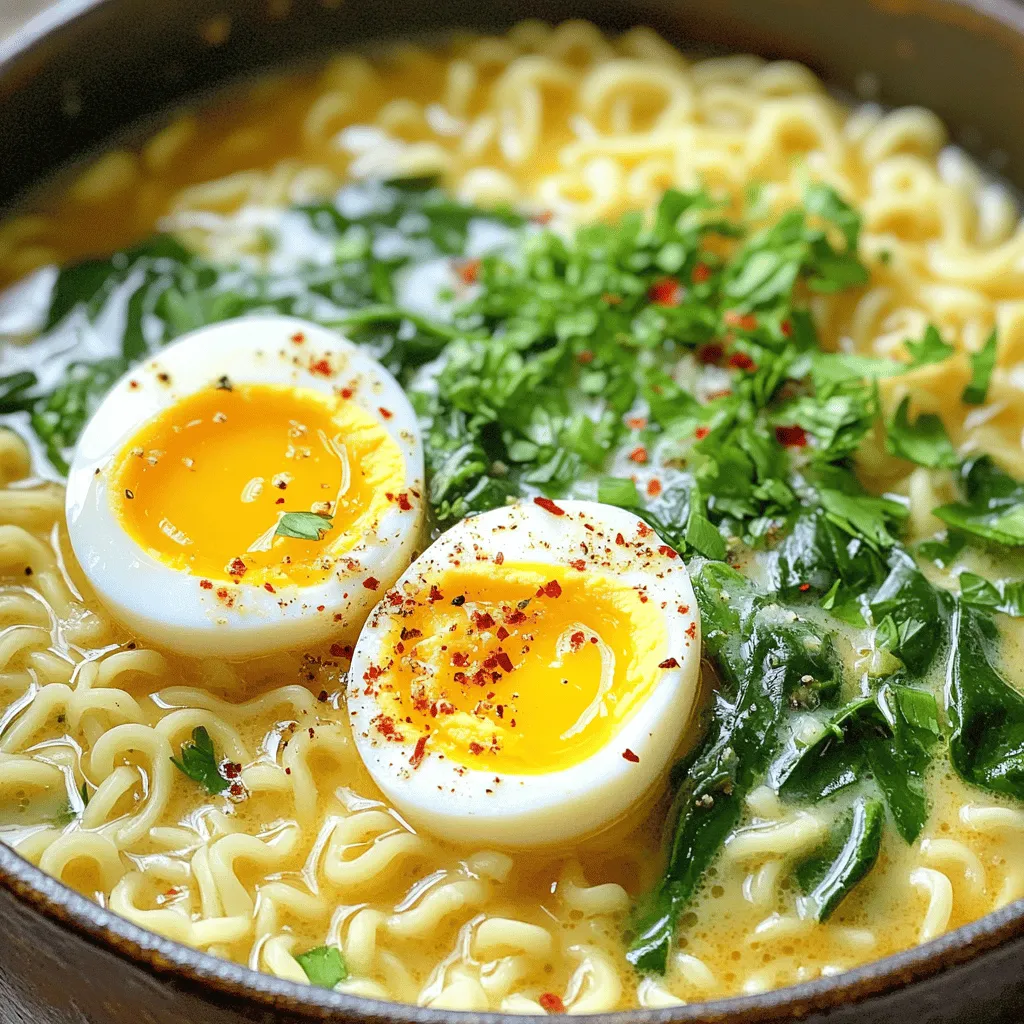
- 4 cups vegetable broth - 2 packs of instant ramen noodles (discard the seasoning packets) - 4 cloves garlic, minced - 1 tablespoon olive oil - ½ cup grated Parmesan cheese - 1 cup baby spinach - 1 teaspoon crushed red pepper flakes (adjust for spice level) - Salt and black pepper to taste - Chopped fresh parsley for garnish - Optional: Soft-boiled eggs for topping Gathering the right ingredients makes this dish shine. Start with vegetable broth. It adds flavor and depth. Use instant ramen noodles, but toss the seasoning packets. We want to customize the taste. Fresh garlic is a must. Mince it to unleash its aroma. Olive oil helps to sauté the garlic, giving it a lovely golden color. You’ll need grated Parmesan cheese for creaminess. It melts well and makes the dish rich. Baby spinach adds color and nutrition. You can mix in crushed red pepper flakes for heat. Adjust this to match your spice level. Don’t forget salt and black pepper; they enhance all the flavors. Finally, a sprinkle of fresh parsley adds a pop of color. If you want more protein, soft-boiled eggs work great on top. They add a nice touch and richness. With these simple ingredients, you can create a creamy and flavorful dish in no time. 1. Sautéing garlic: Start by heating the olive oil in a large pot over medium heat. Add the minced garlic and cook for 1-2 minutes. Stir it often and watch for that tasty aroma. You want the garlic fragrant, not burnt. 2. Cooking noodles in broth: Next, pour in the vegetable broth. Let it come to a gentle simmer. Add the instant ramen noodles. Cook them according to the package instructions, usually about 4-5 minutes. Stir occasionally so the noodles don’t stick together. 3. Mixing in cheese and spinach: Once the noodles are tender, stir in the grated Parmesan cheese. Keep stirring until it melts and becomes creamy. Then, add the baby spinach and crushed red pepper flakes. Stir until the spinach wilts, which should take around 1-2 minutes. Feel free to taste and adjust the salt and black pepper as you go. This is your dish, so make it just how you like it! Adjusting the spice level You can change the heat in this dish easily. Start with just a pinch of crushed red pepper flakes. Taste it as you go. If you want more spice, add more flakes. Remember, you can always add, but you can't take away! Best practices for cooking garlic Garlic adds great flavor but can burn quickly. Heat your olive oil on medium heat. Add minced garlic and stir for 1-2 minutes until it smells good. Don’t walk away! Keep an eye on it. Burnt garlic can ruin your dish. How to achieve the creamiest consistency For the creamiest ramen, add the Parmesan cheese slowly. Stir it in after the noodles cook. This helps it melt well. If your ramen feels too thick, add a splash of vegetable broth. This keeps it smooth and creamy. {{image_2}} You can make this One-Pot Garlic Parmesan Ramen your own. Start by adding proteins. Soft-boiled eggs add richness. Simply boil eggs for six minutes, then cool them in ice water. Chicken works great too. Cook it before adding to the pot. Tofu is a good choice for a plant-based option. Just cut it into cubes and toss it in. Next, think about vegetables. Baby spinach is a classic, but you can swap in kale or bok choy. Both add nice texture and nutrients. Carrots or peas can also bring a sweet crunch. Lastly, consider cheese options. While Parmesan is tasty, try adding cheddar for a sharp kick. Cream cheese can make it extra creamy. Mix and match to find your perfect flavor. Each tweak makes the dish unique and fun! After enjoying your One-Pot Garlic Parmesan Ramen, store leftovers safely. Place cooled ramen in an airtight container. Keep it in the fridge. It stays fresh for up to three days. When you want to reheat, add a splash of broth or water. This helps bring back the creamy texture. Heat in a pot over low heat. Stir often and make sure it warms evenly. You can also use the microwave. Just cover the bowl and heat it in short bursts. Stir between each burst to avoid hot spots. If you want to save it for later, you can freeze it. However, the texture changes a bit after freezing. To freeze, divide the ramen into smaller portions. Use freezer-safe bags or containers. Make sure to remove as much air as possible. This helps prevent freezer burn. It can last for up to three months in the freezer. When you're ready to eat frozen ramen, thaw it overnight in the fridge. Reheat it as mentioned before. If it seems dry, add a bit of broth or water while reheating. Enjoy your creamy, flavorful dish even after a few days! Can I use other types of noodles? Yes, you can use different noodles. Rice noodles or udon work well too. Just adjust the cooking time based on the noodle type. Make sure to keep the broth hot enough for each type. How do I make it gluten-free? For a gluten-free version, use gluten-free ramen. Many brands offer this option. Also, check that your vegetable broth is gluten-free. This way, you still enjoy the same creamy taste! What should I serve with Garlic Parmesan Ramen? You can serve this ramen with soft-boiled eggs for extra protein. A side salad adds freshness. For more crunch, add toasted nuts or seeds. Enjoy your meal with some crispy bread or garlic toast too! This blog post covered a simple and tasty Garlic Parmesan Ramen recipe. You learned about the key ingredients, step-by-step instructions, and tips for flavor. Customizing this dish with proteins and veggies lets you make it your own. Remember to store your leftovers properly for the best taste. Enjoy exploring this recipe! You can easily adjust it to fit your taste and needs. Happy cooking!
One-Pot Garlic Parmesan Ramen Creamy and Flavorful Dish
Craving a quick, tasty meal? Let me introduce you to One-Pot Garlic Parmesan Ramen! This creamy dish combines rich flavors and simple ingredients. You’ll need
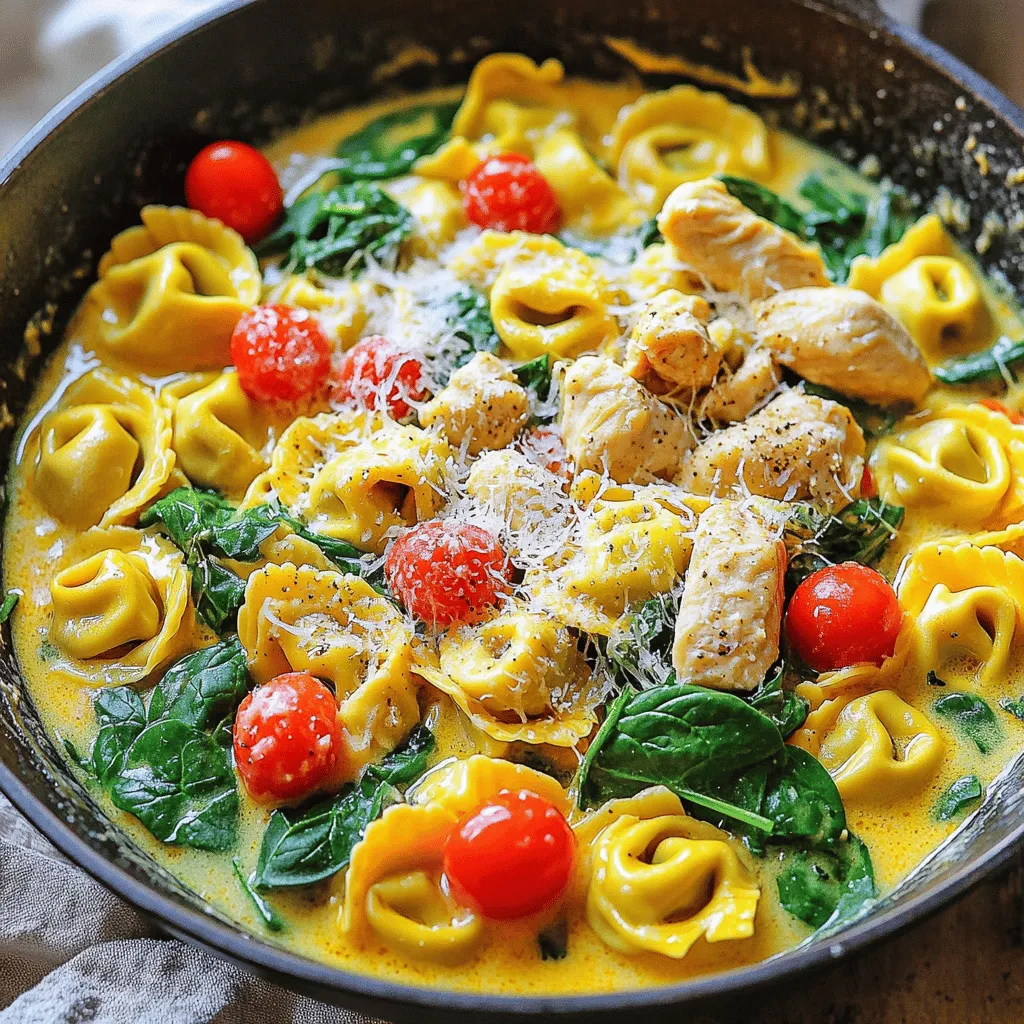
To create a Tuscan Chicken Tortellini Skillet, gather these simple ingredients: - 2 cups cheese tortellini (fresh or frozen) - 1 pound boneless, skinless chicken breasts, diced - 1 tablespoon olive oil - 2 cloves garlic, minced - 1 cup cherry tomatoes, halved - 1 cup baby spinach, packed - ½ cup heavy cream - ½ cup chicken broth - ½ teaspoon Italian seasoning - ½ teaspoon red pepper flakes (optional) - Salt and pepper to taste - Grated Parmesan cheese for serving Each ingredient plays a key role. The cheese tortellini brings a rich flavor and texture. The chicken gives protein and heartiness. Olive oil adds richness. Garlic infuses a wonderful aroma. Cherry tomatoes offer sweetness and color. Baby spinach adds freshness and nutrition. Heavy cream and chicken broth create a creamy sauce. Italian seasoning gives depth. Red pepper flakes add a nice kick, while salt and pepper enhance all flavors. Finally, grated Parmesan cheese on top is a must for that finishing touch. First, heat one tablespoon of olive oil in a large skillet over medium-high heat. Once hot, add one pound of diced chicken. Season the chicken with salt, pepper, and half a teaspoon of Italian seasoning. Cook for about 6 to 8 minutes. This will make the chicken golden brown and fully cooked. Next, add two minced cloves of garlic to the skillet. Sauté the garlic for one minute until it smells great. Then, pour in half a cup of chicken broth and half a cup of heavy cream. Stir everything to mix well. Bring the mixture to a gentle simmer. After that, add one cup of halved cherry tomatoes. Let them cook for about three minutes. This will make them start to soften. Then, stir in one cup of packed baby spinach. This adds color and nutrition to the dish. Now, it's time for the tortellini! Add two cups of cheese tortellini to the skillet. If you want some heat, sprinkle in red pepper flakes. Cover the skillet and lower the heat to medium-low. Let everything simmer for about 5 to 7 minutes. Stir occasionally until the tortellini are tender and heated through. Finally, add the baby spinach if you haven't already. Stir until it wilts, which takes about one to two minutes. Taste and adjust the seasoning with more salt and pepper if needed. Serve hot, topped with freshly grated Parmesan cheese. Enjoy your delicious Tuscan Chicken Tortellini Skillet! - To get tender chicken, cook it until golden brown. This takes about 6-8 minutes. - For the tortellini, check the package for cooking time. It should be soft and warm after about 5-7 minutes in the skillet. - Add fresh basil or parsley for a burst of flavor. Oregano also works well. - For cheese, try mozzarella or goat cheese. They add nice creaminess to the dish. - Top with freshly grated Parmesan cheese for a rich finish. - Serve in shallow bowls to show off the colors of the dish. Adding a sprig of basil on top makes it look fancy! {{image_2}} If you want to switch up the chicken, try using turkey or shrimp. Both options cook quickly and add a nice twist. For a lighter dish, consider using tofu or tempeh. For gluten-free needs, look for gluten-free tortellini made from rice or corn. Many brands offer tasty options. You can also use zucchini noodles for a fresh, low-carb alternative. If you're watching carbs, swap the tortellini for spiralized veggies. Zucchini noodles or spaghetti squash work well. These choices keep your meal light and nutritious. For a vegan version, use plant-based chicken or chickpeas. Replace heavy cream with coconut cream or cashew cream for richness. Ensure your tortellini is vegan, as many contain eggs. You can add more veggies to boost nutrition. Bell peppers, mushrooms, or peas fit well in this dish. Just toss them in with the tomatoes for extra flavor. For a different sauce, try using pesto or a marinara base. Both can change the dish's taste and give it a unique flair. Adding a splash of white wine can enhance the flavors too! To keep your Tuscan Chicken Tortellini Skillet fresh, you need to store it correctly. First, let the dish cool completely. This helps prevent moisture buildup. Then, place leftovers in an airtight container. Glass containers work best, as they keep flavors intact. Store in the fridge for up to three days. Label the container with the date for easy tracking. Reheating the skillet dish is simple, but you want to maintain its flavor. For the best taste, use the stovetop. Heat a pan over low to medium heat. Add the leftovers, stirring occasionally. This method warms the dish evenly without drying it out. If you prefer the microwave, use a microwave-safe bowl. Heat in short bursts of 30 seconds. Stir after each burst to ensure even heating. If you want to save your dish for later, freezing is a great option. To freeze, let the dish cool completely. Then, portion it into freezer-safe bags or containers. Remove as much air as possible to avoid freezer burn. Label the bags with the date. You can freeze the dish for up to three months. When you're ready to eat, transfer it to the fridge to thaw overnight. Reheat it gently on the stovetop for the best flavor. Yes, you can use frozen tortellini. Just add it directly to the skillet. - Cooking Tips for Frozen Tortellini: - Increase cooking time by a few minutes. - Stir frequently to prevent sticking. - Check for doneness before serving. The dish has a mild spice level. You can control the heat easily. - Adjusting Spice Levels: - Use less red pepper flakes for a milder taste. - Add more for extra heat. - Taste as you cook to find your perfect balance. Reheat gently to keep the flavors intact. The stovetop works best. - Recommended Methods for Reheating: - Use a skillet over low heat. - Add a splash of chicken broth for moisture. - Stir often until heated through. Yes, you can prepare it in advance. Store it properly for best results. - Preparation and Storage Tips: - Cook the dish and cool it down. - Store leftovers in an airtight container. - Keep it in the fridge for up to three days. This blog post covered a tasty dish with cheese tortellini, chicken, and veggies. We went through each step from preparing the chicken to adding flavor. I shared tips for cooking, flavoring, and storing leftovers. You can also adjust the recipe for dietary needs and preferences. Cooking can be fun and flexible. Whether you stick to the original recipe or try variations, enjoy making this dish in your own way. Happy cooking!
Tuscan Chicken Tortellini Skillet Delicious Recipe
Ready for a quick and tasty meal? My Tuscan Chicken Tortellini Skillet is your answer! This dish combines tender chicken, creamy sauce, and cheesy tortellini
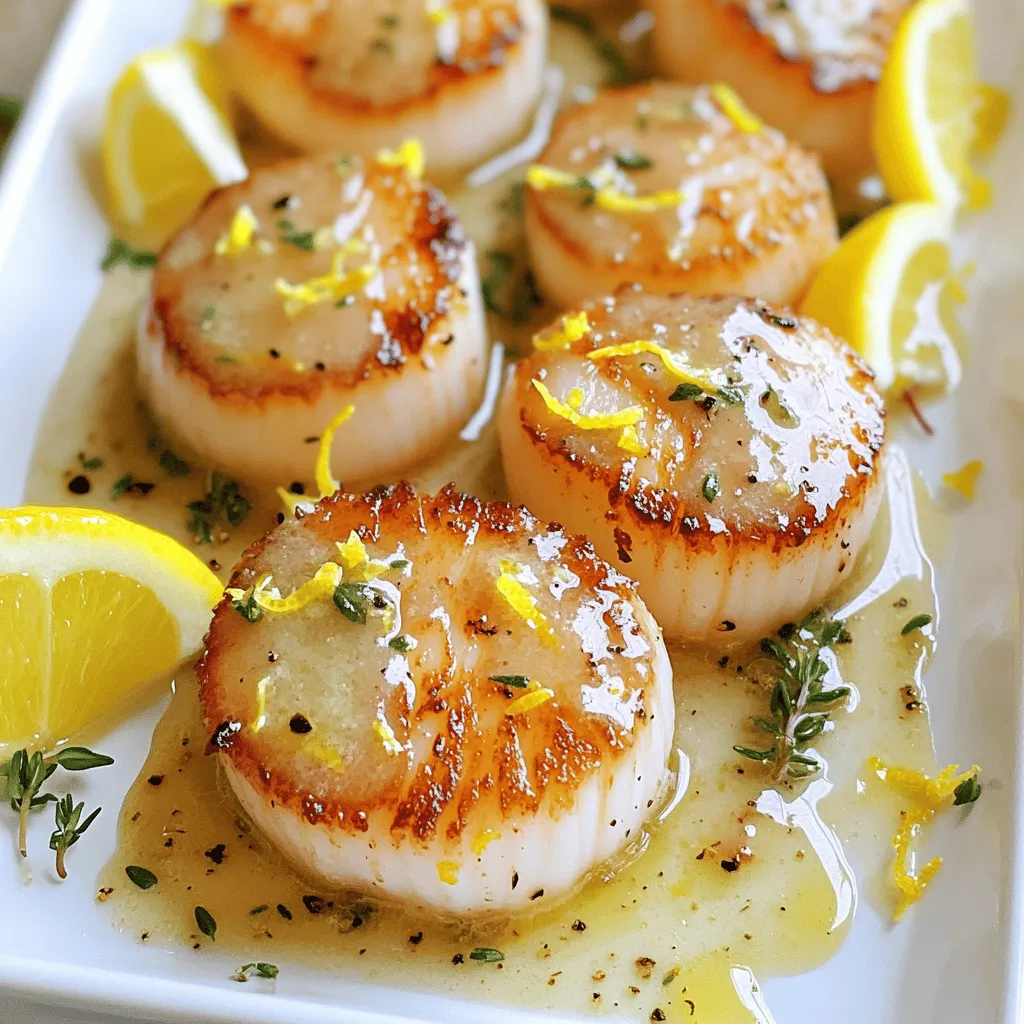
To make lemon garlic butter scallops, gather these ingredients: - 1 pound sea scallops, patted dry - 4 tablespoons unsalted butter - 3 tablespoons olive oil - 4 cloves garlic, minced - Zest and juice of 1 large lemon - 1 teaspoon fresh thyme leaves (or ½ teaspoon dried thyme) - Salt and pepper to taste - Fresh parsley, chopped for garnish These ingredients create a bright and rich dish. The scallops shine with the lemon and garlic flavors. You can elevate this dish with some simple garnishes: - Lemon wedges - Thyme sprigs - Extra chopped parsley These add color and freshness to your plate. They also enhance the lemony notes of the dish. If you need to change something, here are a few ideas: - Use ghee or coconut oil instead of butter for a dairy-free option. - Swap sea scallops for bay scallops if that's what you have. - Use lemon juice from a bottle if you lack fresh lemons. These substitutions still keep the dish tasty and enjoyable. Experimenting can lead to new flavor finds. To prepare scallops, start with fresh sea scallops. You need one pound. Pat them dry with a paper towel. This step helps them sear better. Season the scallops lightly with salt and pepper. This adds flavor and enhances the dish. Heat a large skillet over medium-high heat. Add two tablespoons of olive oil and two tablespoons of butter. Wait until the oil shimmers. Carefully add scallops in a single layer. Do not crowd them; cook in batches if needed. Sear them for about two to three minutes on one side. Look for a golden crust before flipping. Use tongs to flip them gently. Cook for about two more minutes until they are just opaque. Remove the scallops from the skillet and place them on a plate. In the same skillet, lower the heat to medium. Add the remaining two tablespoons of butter, minced garlic, and thyme. Cook this mixture for about one minute. The garlic should smell great. Stir in the lemon zest and juice next. Scrape any brown bits from the bottom of the pan. Allow the sauce to simmer for one to two minutes. This thickens the sauce slightly. Season with salt and pepper to taste. Finally, return the scallops to the skillet. Toss them gently in the garlic butter sauce to coat. Remove from heat and serve warm. To make the best scallops, you must start with fresh ones. Look for sea scallops with a sweet scent. They should feel firm and have a slightly shiny surface. Always pat them dry. This step helps them sear better. For a nice golden crust, don't overcrowd the pan. Cook in batches if needed. One common mistake is cooking scallops too long. They should be just opaque, not rubbery. Heat the skillet well before adding the scallops. If the butter burns, it can ruin the flavor. Also, don’t skip the resting time. Letting them sit for a minute after cooking helps them finish cooking gently. Serve your scallops on a white plate for a stunning look. Drizzle the lemon garlic butter sauce over the top for flavor and shine. Add lemon wedges and fresh thyme for a bright touch. You can pair them with a light salad or some crusty bread. This adds balance to your meal and makes it even more enjoyable. {{image_2}} You can boost the flavor of your lemon garlic butter scallops. Here are some ideas: - Spices: Add a pinch of red pepper flakes for heat. - Herbs: Fresh basil or dill can add brightness. - Wine: A splash of white wine in the sauce adds depth. - Mustard: Mix in a teaspoon of Dijon mustard for a tangy twist. These tweaks can change the taste, making it more exciting! Pairing your scallops with the right sides enhances the meal. Here are some great options: - Rice: Serve over fluffy jasmine or wild rice for a filling dish. - Vegetables: Roasted asparagus or sautéed spinach complements the scallops well. - Pasta: Light lemon pasta can be a nice base for the scallops. These sides make your meal colorful and delicious! If you want to switch things up, try these proteins instead of scallops: - Shrimp: Cooked the same way, shrimp give a sweet flavor. - Chicken: Thinly sliced chicken breasts work well with the sauce. - Tofu: For a plant-based option, use firm tofu. These alternatives keep the dish fresh and exciting! After enjoying your lemon garlic butter scallops, store any leftovers in an airtight container. Make sure to let them cool down first. This keeps them fresh for up to two days in the fridge. Always label your container with the date. This way, you’ll know when to eat them. To reheat your scallops, use a skillet over low heat. Add a small bit of butter or olive oil. This helps keep them moist. Heat for about 3-4 minutes, turning gently. Avoid high heat so they don’t overcook. You want them warm, not rubbery. If you have extra scallops, you can freeze them. Place them in a single layer on a baking sheet. Freeze until solid, then transfer them to a freezer bag. Be sure to remove as much air as possible. They can last up to three months. Thaw in the fridge before reheating. This keeps their flavor and texture intact. Cook scallops for about 2-3 minutes on one side. When they turn golden brown, flip them. Cook for another 2 minutes. They should be just opaque when done. Timing is key to avoid overcooking. Perfectly cooked scallops are tender and juicy. Yes, you can use frozen scallops. Just thaw them first. Place them in the fridge overnight or run them under cold water. Patted dry scallops will sear better. Make sure to remove excess moisture for a nice crust. Lemon garlic butter scallops pair well with many sides. Consider creamy risotto or garlic mashed potatoes. A fresh salad with lemon vinaigrette also works great. Steamed asparagus or green beans add color and nutrition. Enjoy the scallops with crusty bread to soak up the sauce. In this blog post, we explored how to prepare delicious scallops. We covered essential ingredients, step-by-step cooking methods, and helpful tips. You learned about flavor variations and how to handle leftovers. Scallops offer a great meal choice, and with the right techniques, you can cook them perfectly. I hope these insights help you enjoy scallops with confidence. Happy cooking!
Lemon Garlic Butter Scallops Flavorful and Simple Dish
If you’re looking for a delicious seafood dish that’s easy to make, you’ve found it! Lemon Garlic Butter Scallops are flavorful and can be ready