Appetizers

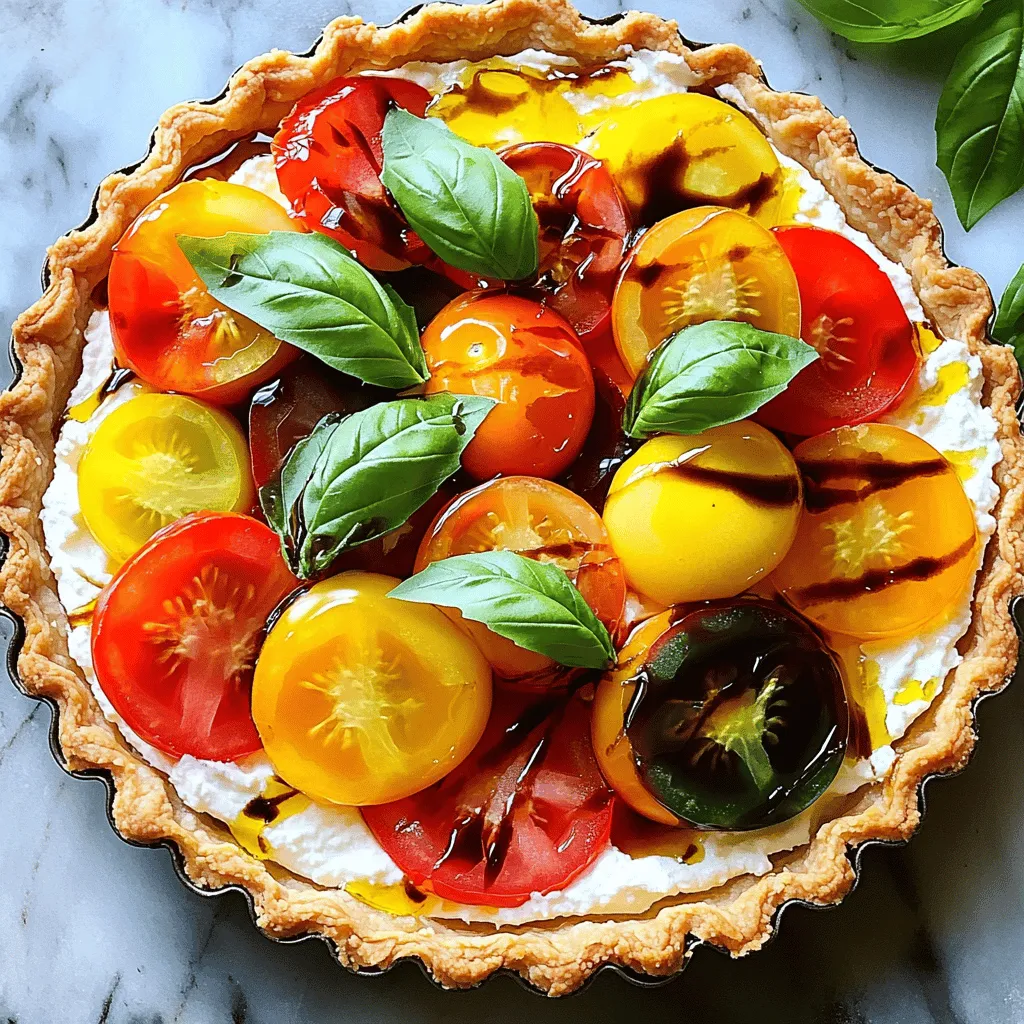
To make the fresh tomato ricotta tart, gather these ingredients: - 1 pre-made tart shell (9-inch) - 1 ½ cups ricotta cheese - 2 cups ripe tomatoes, sliced (mix heirloom and Roma) - 1 tablespoon olive oil - 1 tablespoon fresh basil, chopped - 1 teaspoon lemon zest - 1 teaspoon garlic powder - Salt and pepper to taste - Fresh basil leaves for garnish - Balsamic glaze for drizzling (optional) This tart is a great source of vitamins and minerals. It offers protein from the ricotta and healthy fats from olive oil. Here are some key points: - One slice (1/8 of the tart) has about 220 calories. - It contains around 10 grams of protein. - It provides 15 grams of carbs and 14 grams of fat. - Rich in vitamin A and C from tomatoes and basil. If you want to change things up, try these substitutions: - Use cottage cheese instead of ricotta for a lighter option. - Swap fresh basil with thyme or oregano for a different flavor. - Try using a whole wheat tart shell for added fiber. - Add a sprinkle of feta cheese for a tangy twist. This fresh tomato ricotta tart is simple, tasty, and fun to make. Check out the Full Recipe for more details! Start by gathering your pre-made tart shell. I like to use a 9-inch shell for this dish. Place it on a baking sheet. This makes it easy to move in and out of the oven. No need to worry about making the shell from scratch. Pre-made shells save time and taste great. Now, grab a mixing bowl. Add 1 ½ cups of ricotta cheese. Then, pour in 1 tablespoon of olive oil. Next, add 1 tablespoon of fresh basil, chopped up. For some zing, mix in 1 teaspoon of lemon zest and 1 teaspoon of garlic powder. Don’t forget to add salt and pepper to taste. Mix all these ingredients well until it’s creamy. This mixture will be the heart of your tart. Spread the ricotta mixture evenly in the tart shell. Make sure to cover the bottom completely. Next, slice 2 cups of ripe tomatoes. I love mixing heirloom and Roma tomatoes for color. Layer the slices on top of the ricotta. You can alternate the colors for a pretty look. Drizzle a little olive oil over the tomatoes. Sprinkle a pinch of salt and pepper on top. Now, it’s time to bake! Place the tart in your preheated oven at 400°F (200°C). Bake for 25-30 minutes. You want the tomatoes to soften and caramelize a bit. The crust should turn a lovely golden color. When it’s done, take it out, and let it cool for about 10 minutes. Garnish with fresh basil leaves. If you like, drizzle some balsamic glaze on top. This adds a nice finish to your fresh tomato ricotta tart. For more details, check the Full Recipe. To get the best flavor, start with ripe tomatoes. Ripe tomatoes are juicy and sweet. To peel tomatoes easily, score the skin with an “X.” Boil them for about 30 seconds. Then, place them in ice water. The skin will slip right off. For slicing, use a sharp knife. Cut gently to keep the juices. Mix different types like heirloom and Roma for color and taste. Seasoning makes your tart sing! I use a pinch of salt and fresh pepper. Lemon zest adds a bright note. Garlic powder gives depth without being strong. Fresh basil brings a lovely aroma. If you want a sweet touch, drizzle balsamic glaze on top. This adds a rich flavor. Taste as you go to find your perfect blend. Serve the tart warm or at room temperature. It pairs well with a light salad. Try mixed greens with a vinaigrette. A slice of this tart is great for lunch or dinner. You can also serve it as an appetizer. Garnish with fresh basil leaves for a pop of color. For a twist, add some olives or sun-dried tomatoes. Check the Full Recipe for ideas on how to make it your own! {{image_2}} You can switch up the cheese in this tart. Try mixing ricotta with goat cheese or feta. Both bring a tangy twist. You could also use cream cheese for a richer taste. Each cheese adds its unique flavor and texture. This dish is all about fresh flavors. Add seasonal veggies to make it special. Sliced zucchini or bell peppers work well. You can also try spinach for a pop of green. These veggies not only taste great but also add color to your tart. If you need a gluten-free option, use a gluten-free tart shell. Many stores sell these now. You can also make your own using almond flour or gluten-free flour. A rice-based crust is another great choice. Each of these options holds the filling well and keeps the dish tasty. For the complete method and ingredient details, check out the Full Recipe. After baking your Fresh Tomato Ricotta Tart, let it cool for about ten minutes. This cooling time helps set the filling. Once it is cool, cover it loosely with plastic wrap. Place it in the fridge if you plan to eat it later. The tart stays fresh for about three days in the fridge. To reheat your tart, preheat the oven to 350°F (175°C). Place the tart on a baking sheet. Heat it for about 15 minutes, or until warmed through. This method helps keep the crust crisp. Avoid using the microwave, as it can make the crust soggy. You can freeze the tart if you want to save it for later. First, let it cool completely. Then wrap it tightly in plastic wrap. Place it in a freezer-safe bag or container. It can last for up to two months in the freezer. To enjoy, thaw it overnight in the fridge and reheat as described above. You can tell the tart is done when the crust turns golden brown. The tomatoes should be soft and slightly caramelized. This usually takes about 25 to 30 minutes in the oven. A good tip is to check the edges of the tart shell. If they look crisp and brown, you are on the right track. Yes, you can make the tart ahead of time! Prepare the tart shell and the ricotta mixture earlier in the day. Assemble the tart but do not bake it right away. Cover it and keep it in the fridge. When you are ready to serve, bake it according to the instructions. This way, you save time and still enjoy a fresh dish. Using ripe, fresh tomatoes is key for great flavor. I recommend a mix of heirloom and Roma tomatoes. Heirloom tomatoes bring beautiful colors and rich taste, while Roma tomatoes add nice texture. Make sure they are firm yet slightly soft to the touch. This mix will make your tart vibrant and delicious. For more details, check the Full Recipe. To make the fresh tomato ricotta tart, start by preheating your oven to 400°F (200°C). Place a pre-made tart shell on a baking sheet. In a bowl, mix ricotta cheese, olive oil, chopped basil, lemon zest, garlic powder, salt, and pepper. Stir until smooth. Spread this mixture in the tart shell evenly. Next, layer sliced tomatoes on top. Use a mix of heirloom and Roma for great color. Drizzle a bit of olive oil over the tomatoes and sprinkle with salt and pepper. Bake for 25-30 minutes. The tart is ready when the tomatoes soften and the crust turns golden. Let it cool for 10 minutes before slicing. Garnish with fresh basil leaves. Drizzle balsamic glaze on top if you like. This recipe is simple and brings fresh flavors together. This dish takes 15 minutes to prepare. The cooking time is around 25 to 30 minutes. You can serve this tart to eight people. It makes a great appetizer or light meal for gatherings. The key flavors in this tart come from fresh ingredients. The creamy ricotta adds richness. Tomatoes bring sweetness and acidity, especially when roasted. Fresh basil offers a bright, herbal note. Lemon zest adds a hint of citrus. Garlic powder gives a subtle depth to the dish. Each bite is a perfect balance of taste. If you want to explore more, check the Full Recipe for detailed steps. In this post, we covered everything for making a Fresh Tomato Ricotta Tart. We explored the key ingredients, nutrition facts, and how to substitute items if needed. The step-by-step instructions guide you through the process of preparing the tart shell, mixing the ricotta, and baking. Tips on slicing tomatoes and flavoring enhance your dish. Variations allow for creativity, and storage info ensures freshness. With all this knowledge, you can make a tasty tart that impresses. Enjoy crafting your unique version and sharing it with others.
Fresh Tomato Ricotta Tart Flavorful and Simple Dish
Are you ready to impress friends and family with a dish that’s both simple and delicious? The Fresh Tomato Ricotta Tart combines fresh tomatoes with
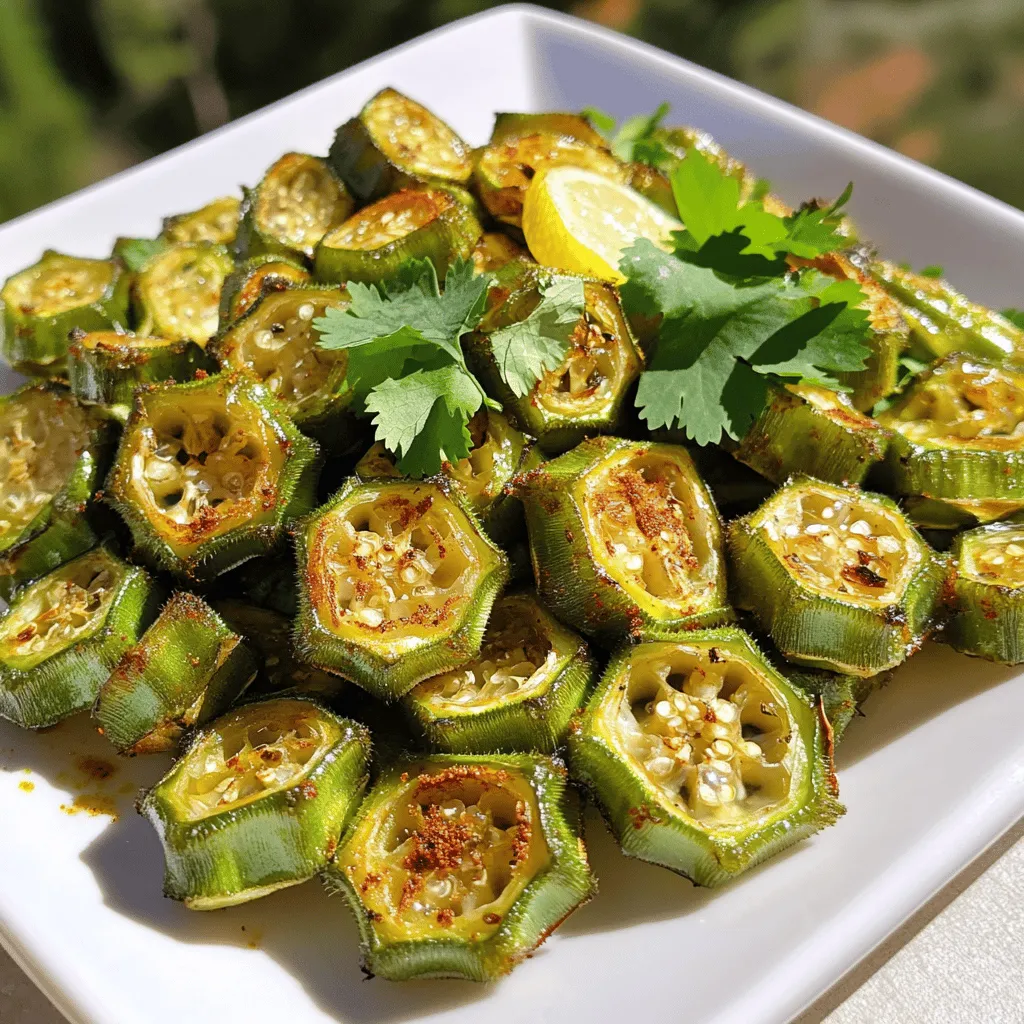
- 1 lb fresh okra, trimmed and halved - 2 tablespoons olive oil - 1 teaspoon garlic powder - 1 teaspoon smoked paprika - 1/2 teaspoon cumin - 1/2 teaspoon cayenne pepper (adjust for spice level) - Salt and black pepper to taste - 1 tablespoon lemon juice - Fresh cilantro for garnish (optional) Fresh okra is the star of this dish. Choose firm, bright green pods for the best taste. Olive oil helps the spices stick and gives a nice crisp. Garlic powder adds savory depth. For spices, smoked paprika brings warmth while cumin adds earthy notes. Cayenne pepper gives a kick, so adjust that based on your taste. Salt and black pepper enhance all flavors. A splash of lemon juice at the end brightens everything up. You can garnish with fresh cilantro for a splash of color and fresh taste. This combination creates a tasty roasted okra that you will love. For the full recipe, check out the Crunchy Spiced Roasted Okra section. - Preheat the oven: Start by setting your oven to 400°F (200°C). This high heat helps the okra get crispy. - Trim and halve the okra: Take 1 pound of fresh okra. Trim both ends, then cut each piece in half lengthwise. This helps the spices stick well. - Combine okra and spices: In a big bowl, add the halved okra. Pour in 2 tablespoons of olive oil, 1 teaspoon of garlic powder, 1 teaspoon of smoked paprika, 1/2 teaspoon of cumin, and 1/2 teaspoon of cayenne pepper. Add salt and black pepper to taste. - Ensure even coating: Toss everything together until the okra is fully coated with the oil and spices. This step is key to getting great flavor in every bite. - Arrange on a baking sheet: Line a baking sheet with parchment paper. Spread the spiced okra in a single layer. This helps them roast evenly. - Roast and monitor cooking time: Place the baking sheet in the oven. Roast for 20-25 minutes. Stir the okra halfway through to make sure they cook evenly. Watch for a golden color and tenderness. Once done, remove them and drizzle with lemon juice. Toss gently to mix. You can find the Full Recipe with more tips on how to enjoy this dish! To get the best roasted okra, aim for a high cooking temperature. Preheat your oven to 400°F (200°C). This heat makes the okra crispy. Remember, spreading the okra in a single layer is key. This way, every piece gets hot air and cooks evenly. If you crowd the pan, they will steam instead of roast. Want to spice things up? Try different spices! You can add onion powder or even curry powder for a new twist. If you like heat, adjust the cayenne pepper. Start with a small amount and taste as you go. This lets you control the spice level to suit your taste. For serving, consider adding a tasty dipping sauce. A spicy yogurt dip pairs well with the roasted okra. You can also sprinkle fresh cilantro on top. It adds color and a fresh taste. These small touches make your dish look great and taste even better. Check out the Full Recipe for more details! {{image_2}} You can change the taste of roasted okra by using different spices. For a Mediterranean twist, mix in herbs like oregano and thyme. You can also add some lemon zest for extra brightness. For an Asian-inspired flavor, try using soy sauce and sesame oil. A sprinkle of sesame seeds on top can give it a nice crunch. These options let you play with flavors and make your dish unique. Air frying is a great way to cook okra quickly. It gives you that crunchy texture without using much oil. Set your air fryer to 375°F (190°C) and cook for about 15 minutes. Shake the basket halfway through to ensure even cooking. If you want a smoky flavor, try grilling the okra. Brush it lightly with oil and grill on medium heat for about 5-7 minutes. Grilling adds a nice char that enhances the taste. If you are gluten-free, you can enjoy this roasted okra without worry. The ingredients listed are naturally gluten-free. For a vegan-friendly option, just skip the lemon juice garnish or replace it with your favorite vegan sauce. Roasted okra is a healthy side dish that fits many diets. The Full Recipe makes it easy to adapt to your needs while keeping it delicious. To keep your roasted okra fresh, follow these simple steps. First, allow the okra to cool completely after cooking. This helps prevent moisture buildup. Next, place the leftovers in an airtight container. This keeps them from drying out. Store the container in the fridge. Roasted okra can last up to three days in the fridge. When you want to enjoy roasted okra again, choose the best method. The oven is great for reheating. Preheat the oven to 350°F (175°C). Spread the okra on a baking sheet and heat for about 10 minutes. This method helps keep the okra crispy. If you're in a hurry, you can use the microwave. Heat in short bursts of 30 seconds, but this may make the okra softer. If you want to save some roasted okra for later, freezing works well. First, let the okra cool completely. Then, lay the pieces on a baking sheet in a single layer. Freeze them for about an hour. Afterward, transfer the frozen okra to a freezer bag, removing as much air as possible. For best quality, use it within three months. To thaw, place it in the fridge overnight. Reheat in the oven to maintain that crunchy texture. For the full recipe, check out the instructions above. Enjoy your cooking! The best way to prepare okra is to roast it. Roasting brings out the natural flavor and makes it crispy. Here are some cooking methods you can try: - Oven Roasting: This is the easiest way. Toss the okra in oil and spices, then roast at 400°F (200°C). - Air Frying: If you want a quick method, use an air fryer. It cooks the okra faster and keeps it crispy. - Grilling: Grilling adds a smoky flavor. Just toss the okra on the grill and cook until tender. Each method gives you a tasty dish. Experiment to find which you like best. Roasted okra can last about 3 to 5 days in the fridge. To keep it fresh, store it in an airtight container. Here are some shelf life tips: - Cool it down first: Let the okra cool before putting it in the fridge. - Don’t mix with dips: Keep dips separate to avoid sogginess. - Check for signs of spoilage: If it smells bad or looks slimy, throw it away. Following these tips will help you enjoy your roasted okra longer. Yes, you can make roasted okra ahead of time. It’s a great dish for meal prep. Here are some pre-preparation strategies: - Roast the day before: You can roast it a day in advance and store it in the fridge. - Reheat before serving: When ready to eat, reheat in the oven to restore crispiness. - Season just before serving: Add the lemon juice and fresh cilantro right before serving for the best flavor. These steps make it easy to enjoy roasted okra anytime. For the full recipe, check out the Crunchy Spiced Roasted Okra. Roasting okra is simple and fun. You need fresh ingredients like okra, olive oil, and spices. I shared steps to prepare, mix, and roast your okra to perfection. Remember to explore flavor variations and know how to store leftovers. Try different spices and cooking methods to keep things exciting. With these tips, you'll enjoy delicious okra every time. Happy cooking!
Easy and Tasty Roasted Okra Recipe You’ll Love
Looking to spice up your veggie game? This Easy and Tasty Roasted Okra Recipe is just what you need! With fresh okra and a few
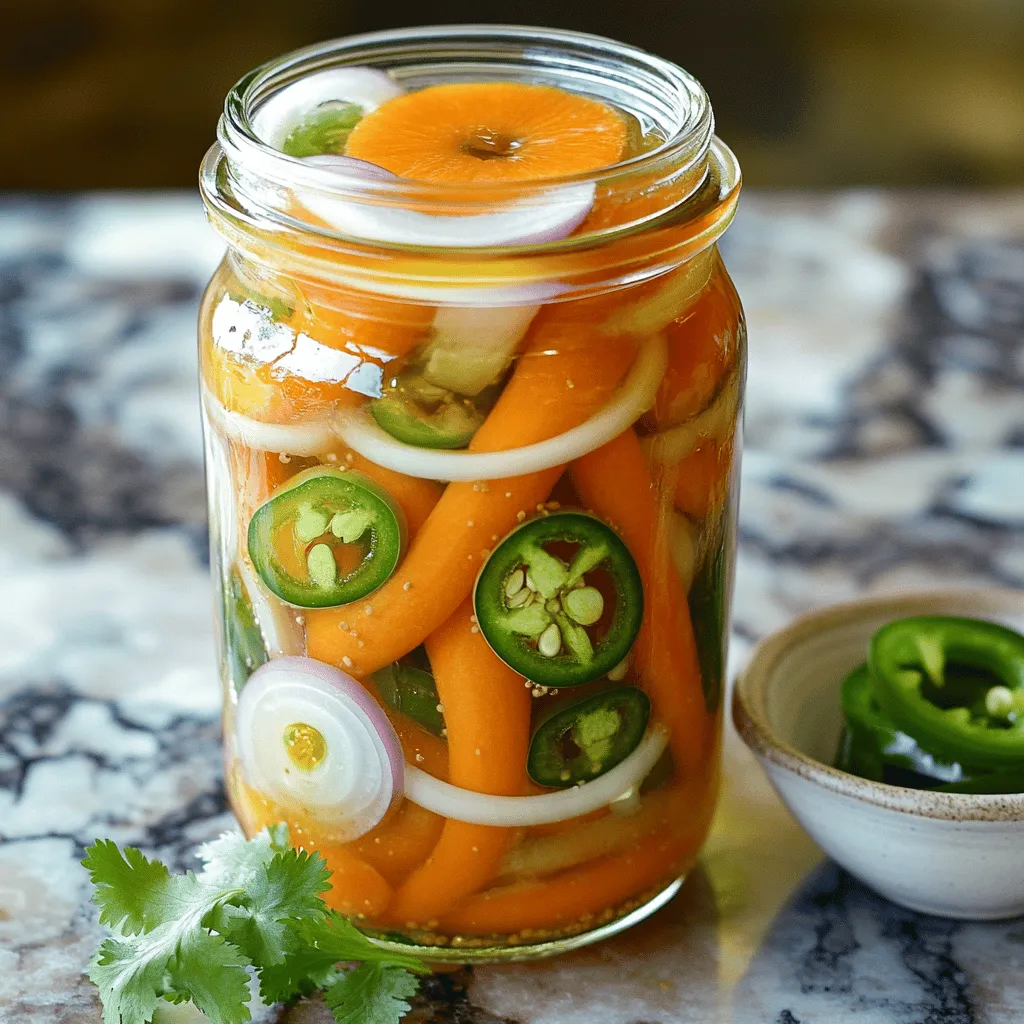
- 4 medium-sized carrots - 1 small white onion - 1 cup apple cider vinegar - 1 cup water - 1 tablespoon sugar - 1 teaspoon salt - 2 cloves garlic - 1 teaspoon dried oregano - 1/2 teaspoon cumin seeds - 1-2 jalapeños - Bay leaves (optional) Choose fresh, firm carrots for the best taste. Fresh vegetables bring out the flavors. If you can, buy organic carrots and onions. Organic produce tends to be cleaner and tastier. The choice matters when pickling. Look for bright colors and no soft spots. You can swap apple cider vinegar for white vinegar or rice vinegar. Each gives a different taste. Want a twist? Add spices like coriander or mustard seeds. You can also pickle radishes, cucumbers, or cauliflower alongside carrots. These add fun textures and flavors to your dish. To start, you need to prepare your vegetables properly. First, peel the carrots. Then, slice them into thin rounds. This helps them soak up flavor better. Next, take the onion and slice it thinly too. This will add a nice crunch and flavor. Now, let’s make the pickling liquid. In a medium saucepan, combine: - 1 cup apple cider vinegar - 1 cup water - 1 tablespoon sugar - 1 teaspoon salt - 2 cloves garlic, peeled and smashed - 1 teaspoon dried oregano - 1/2 teaspoon cumin seeds - Bay leaves (optional) Bring this mixture to a gentle boil over medium heat. Stir it occasionally. Make sure the sugar and salt dissolve. Once boiling, remove it from heat and let it cool for about 10 minutes. While the pickling liquid cools, let’s jar the vegetables. In a clean jar, layer the sliced carrots, onion, and jalapeños. Pack them tightly but don’t squish them. This makes sure each bite is full of flavor. Next, carefully pour the cooled pickling liquid over the vegetables. Make sure they are fully submerged. If they are not, add more water and vinegar in equal parts. Seal the jar with a lid and let it cool to room temperature. For the best flavor, refrigerate the jar for at least 24 hours. If you can wait, let it sit for 3 to 5 days. The longer it sits, the better the taste. Refrigeration is important to keep everything fresh and safe to eat. Enjoy your pickled carrots as a tasty side dish or topping! For the full recipe, check the earlier section. To make your pickled carrots just right, you can adjust the spice level. If you like heat, leave some seeds in the jalapeños. For less heat, remove all the seeds. This small step changes everything. You can also add a touch of sweetness. Try adding more sugar or some honey to the pickling mix. This balance gives depth to the flavor. One common mistake is not sealing the jar correctly. Always check that the lid is tight. If air gets in, the carrots can spoil. Another issue is not letting the pickling liquid cool. Pouring hot liquid over veggies can make them soggy. You should also avoid overpacking the jar. If you squish the veggies, they won't pickle well. Leave space for the liquid to flow around them. Pickled carrots pair well with tacos and sandwiches. They add a crunchy, zesty taste. You can also use them in salads for a fresh kick. Another fun idea is to top burgers with them. They give a bright pop of color and flavor. You can even serve them as a snack with chips or cheese. Get creative and enjoy! {{image_2}} In Mexico, pickled carrots change by region. Each area adds its flair. For example, in Baja California, you might find them with fresh lime juice and cilantro. In Oaxaca, they may include spices like allspice or cloves. These local touches create unique flavors, making every jar special. You can experiment with ingredients based on where you are or what you love. You can easily make this recipe vegan. Just skip any animal products, and you’re set! For gluten-free options, check your vinegar label. Most apple cider vinegar is gluten-free. If you want to store them for a long time, canning is a great choice. Use sterilized jars and follow safe canning practices. This keeps your carrots fresh and tasty for months. Pickled carrots are great in salads. Just toss them in for a crunchy bite. You can also add them to salsas for extra zing. They brighten up any dish! If you want to make gifts, pack pickled carrots in jars. Tie a ribbon around the lid, and you have a lovely present. Everyone loves homemade treats! For the full recipe, check the main article. Store your pickled carrots in a clean glass jar. Make sure to use a jar with a tight lid to keep out air. This helps keep your carrots crunchy and tasty. If you want them to last longer, refrigerate them. You can also can them for longer storage. Canning requires special jars and boiling, but it can keep them fresh for months. Pickled carrots will stay fresh in the fridge for about two to three weeks. You can tell if they are bad if they smell sour or look cloudy. If you see mold, throw them away. Always check for signs of spoilage before eating. Fresh, crisp carrots will taste great, so enjoy them while they are good. Don't toss that leftover pickling liquid! You can use it in other recipes. It makes a great salad dressing or marinade. You can also add it to soups for an extra kick. If you want more pickled veggies, just add more sliced carrots or other root vegetables to the jar. They will soak up that yummy flavor! You should let your pickled carrots sit for at least 24 hours. This time helps the flavors mix well. For the best taste, wait 3 to 5 days. The longer they sit, the better they taste. This marinating time allows the vinegar to soak into the carrots. It also makes the flavors bright and tangy. Yes, you can use many other vegetables for pickling. Some great options include: - Radishes - Cauliflower - Bell peppers - Green beans - Zucchini Mix and match to create your own unique blend. Each vegetable adds its own flavor and texture. They all pickle well with the same spices and vinegar. Pickled carrots are very versatile. You can serve them with: - Tacos - Sandwiches - Salads - Grilled meats - Rice dishes They add a crunchy and tangy kick to any meal. You can even snack on them straight from the jar! Pickled carrots are safe to eat for up to 2 months in the fridge. After that, they may lose their crunch and flavor. Always check for any signs of spoilage, like off smells or mold. If they look or smell strange, it's best to toss them. Remember to keep them sealed tightly to maintain freshness. For more ideas, check the Full Recipe for storing tips! Pickling carrots can transform simple veggies into a savory delight. We covered ingredients, preparation steps, and even regional variations. Always use fresh produce for the best taste. Remember to cool your pickling liquid properly and avoid overpacking jars. Try new flavors as you experiment with spices. Pickled carrots are great for salads or as a tasty snack. Enjoy the process and make it your own! Happy pickling!
Authentic Mexican Pickled Carrots Flavorful Twist Recipe
If you want to add a zesty twist to your meals, authentic Mexican pickled carrots are the way to go. Bursting with flavor and crunch,
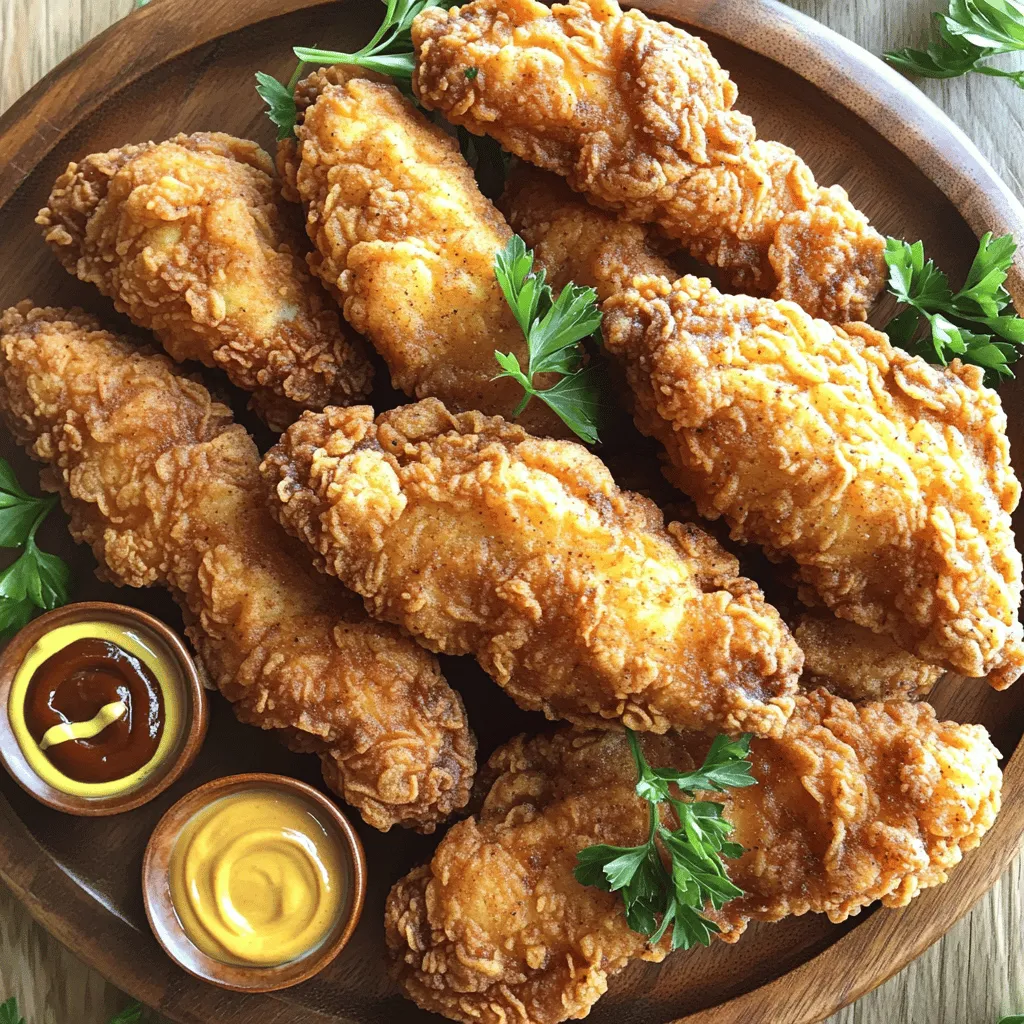
To make crispy fried chicken tenders, you need a few key ingredients: - 1 lb (450g) chicken tenders - 1 cup buttermilk - 1 teaspoon hot sauce (optional) - 1 cup all-purpose flour - 1/2 cup cornstarch - 1 tablespoon garlic powder - 1 tablespoon onion powder - 1 tablespoon paprika - 1 teaspoon salt - 1 teaspoon black pepper - Oil for frying These ingredients work together to create a tender chicken with a crunchy coating. Adding seasonings can really boost the taste of your chicken tenders. Here are some great ideas: - Add cayenne pepper for heat. - Mix in Italian herbs for a fresh taste. - Use lemon zest for a bright flavor. You can adjust these to fit your taste. Don't be afraid to experiment! You might not have everything listed. Here are some swaps you can try: - Swap buttermilk for yogurt or milk with a splash of vinegar. - Use whole wheat flour instead of all-purpose flour for a healthier option. - Cornstarch can be replaced with rice flour for a gluten-free version. These alternatives still give you tasty chicken tenders. Remember, the goal is to make it work for you! For the complete steps to make these delicious chicken tenders, check the Full Recipe. To start, gather your chicken tenders. You need 1 pound of fresh chicken. In a large bowl, mix 1 cup of buttermilk with 1 teaspoon of hot sauce, if you like spice. Place the chicken tenders in this mixture. Make sure they are fully submerged. Cover the bowl and put it in the fridge. Let them marinate for at least 1 hour. For the best flavor, marinate overnight if you can. This step keeps the chicken juicy and adds great taste. While the chicken marinates, prepare your dredging mixture. In a separate bowl, combine 1 cup of all-purpose flour and 1/2 cup of cornstarch. Add 1 tablespoon of garlic powder, 1 tablespoon of onion powder, and 1 tablespoon of paprika. Then, mix in 1 teaspoon of salt and 1 teaspoon of black pepper. Stir well to blend all the spices. This mixture gives the chicken its crispy coating. Set it aside until the chicken is ready. Heat 2-3 inches of oil in a deep pan or fryer. Use medium-high heat until the oil reaches 350°F (175°C). Carefully remove the chicken from the buttermilk. Let the excess drip off. Dredge each tender in your seasoned flour mixture. Make sure each piece is fully coated. Press gently so the coating sticks well. Now, in batches, place the coated chicken tenders in the hot oil. Fry them for about 6-8 minutes. Look for a golden brown color and ensure they are cooked through. Flip them occasionally for even cooking. Once done, transfer the chicken to a plate lined with paper towels. This helps absorb extra oil. Serve hot with your favorite dipping sauces. Enjoy your crispy fried chicken tenders! To get that perfect crunch, follow a few steps. Use buttermilk for marinating. It makes the chicken juicy and tender. Add hot sauce if you want a little kick. For the coating, mix flour and cornstarch. Cornstarch helps create a light and crispy crust. Make sure to coat each tender well. Press the coating onto the chicken. This will help it stick during frying. Many people make simple yet common mistakes. One mistake is not letting the oil heat enough. Oil should be around 350°F (175°C) before frying. If it’s too cool, the chicken will soak up oil and turn soggy. Another mistake is overcrowding the pan. Fry in small batches for even cooking. Lastly, don’t skip the marinating step. It adds flavor and moisture. Frying chicken takes some skill. First, use a deep pan or fryer. This allows even heat and better frying. Always monitor the oil temperature. Use a thermometer for best results. Once you place the chicken in the oil, don’t touch it too much. Let it cook undisturbed for a few minutes. Flip it gently when it’s golden brown. After frying, place the tenders on paper towels. This helps drain extra oil and keeps them crispy. For more detailed steps, check the Full Recipe. {{image_2}} To make spicy chicken tenders, add more hot sauce to the buttermilk. You can use two teaspoons instead of one. This adds heat and flavor. For extra spice, mix cayenne pepper into the dredging mix. Start with a half teaspoon and adjust to your taste. These spicy tenders are perfect for those who love a kick. If you want a lighter option, try baking the chicken tenders. First, marinate the chicken as usual. Then, coat them in the seasoned flour mix. Place them on a baking sheet lined with parchment paper. Spray a light layer of oil on top for crispiness. Bake at 400°F (200°C) for 20-25 minutes. Flip them halfway through for even cooking. This method gives you tasty tenders with less oil. For a gluten-free version, swap the all-purpose flour with gluten-free flour. You can also try using almond flour or chickpea flour. Make sure to check that all your ingredients are gluten-free. The process is the same, so you won’t miss out on the crunch. These options keep the flavor high while accommodating dietary needs. For the full recipe, check the section above. To keep your chicken tenders fresh, let them cool first. Place them in an airtight container. Make sure to layer them with parchment paper. This prevents them from getting soggy. Store the container in the fridge. They will last for about 3-4 days this way. When you're ready to eat your leftovers, reheating is key. Preheat your oven to 400°F (200°C). Place the chicken tenders on a baking sheet. Bake for about 10-15 minutes. This helps to regain their crunch. You can also use an air fryer. Set it to 375°F (190°C) and cook for 5-7 minutes. Both methods keep the tenders crispy. If you want to save your chicken tenders for later, freezing is a great option. First, let them cool completely. Wrap each tender in plastic wrap. Then, place them in a freezer-safe bag or container. They can last up to 3 months in the freezer. When you want to eat them, thaw in the fridge overnight. Reheat as mentioned earlier for the best taste. For more details, check the Full Recipe. The secret to crispy chicken tenders lies in the coating. I use a mix of flour and cornstarch. This mix creates a light crust that fries up crunchy. Marinating the chicken in buttermilk adds moisture and flavor. The acid in buttermilk helps tenderize the meat. Always make sure the oil is hot enough before frying. This helps seal the coating quickly, keeping it crispy. Yes, you can use chicken breasts. Cut them into strips about one inch wide. The cooking time may change slightly, so check for doneness. Chicken tenders cook faster than breasts due to their smaller size. Make sure to marinate them just as you would with tenders. This will keep them juicy and tasty. There are many great dipping sauces for chicken tenders. Here are some of my favorites: - Honey mustard - BBQ sauce - Ranch dressing - Buffalo sauce - Sweet and sour sauce Each sauce adds a unique flavor. Try them all to find your favorite! Enjoy your crispy fried chicken tenders with these tasty dips. For the full recipe, check out the earlier section. You learned how to make crispy fried chicken tenders with this guide. We covered key ingredients, like essential seasonings and tasty substitutions. The step-by-step instructions ensured perfect cooking every time. Tips helped you avoid common mistakes, while variations let you try new flavors. Lastly, I shared storage tips to keep your tenders fresh. Enjoy the process, and remember to have fun while cooking! Delicious chicken tenders await your table.
Crispy Fried Chicken Tenders Perfectly Crunchy Recipe
Are you ready to make the crispiest fried chicken tenders ever? This recipe delivers an unbeatable crunch and juicy chicken inside. I’ll guide you through
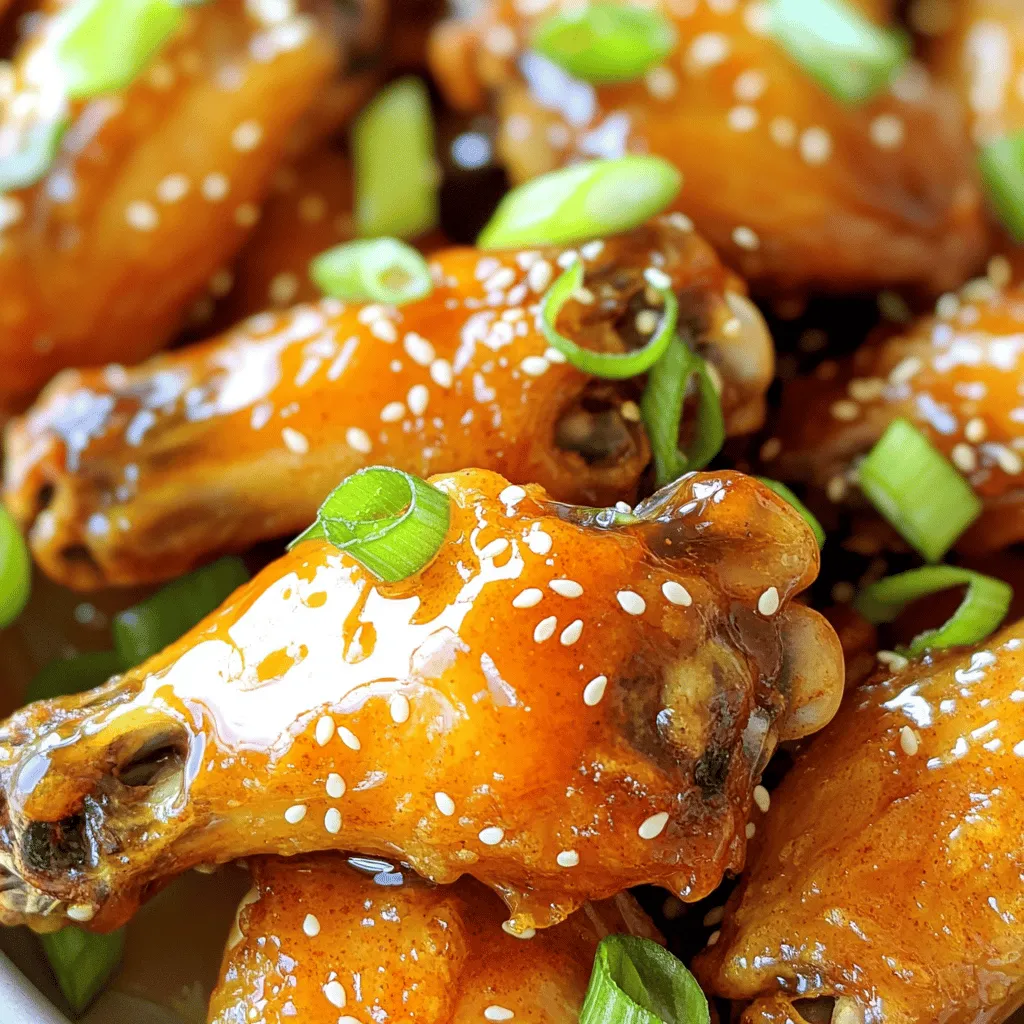
- 2 pounds chicken wings - 1 tablespoon baking powder - Spice mix: - 1 teaspoon salt - 1 teaspoon black pepper - 1 teaspoon garlic powder - 1 teaspoon onion powder - 1 teaspoon smoked paprika - Optional ingredients: - 1 teaspoon cayenne pepper for heat - 1 cup honey - 1/4 cup soy sauce - 2 tablespoons apple cider vinegar - 1 tablespoon fresh ginger, grated - 1 tablespoon sesame oil - Garnishes: - 1 green onion, sliced - Sesame seeds The key to great chicken wings is in the ingredients. First, you need fresh chicken wings. I love using two pounds for a good batch that serves 4 to 6 people. The baking powder helps make the skin crispy. For the spice mix, I use salt, black pepper, garlic powder, onion powder, and smoked paprika. Each spice adds a layer of flavor. If you want a kick, add cayenne pepper. Now, let’s talk about the glaze. This glaze makes the wings sticky and sweet. Start with one cup of honey. The soy sauce adds saltiness. Apple cider vinegar gives it a nice tang. Grated ginger and sesame oil round out the flavor. Don’t forget garnishes! Sliced green onion and sesame seeds add a nice touch. These simple ingredients make your wings shine. For the full recipe, check out the details above. - Preheat your oven to 400°F (200°C). - Line a baking sheet with aluminum foil. - Place a wire rack on top of the baking sheet. - In a large bowl, mix together: - 1 tablespoon baking powder - 1 teaspoon salt - 1 teaspoon black pepper - 1 teaspoon garlic powder - 1 teaspoon onion powder - 1 teaspoon smoked paprika - 1 teaspoon cayenne pepper (optional) - Pat the chicken wings dry with paper towels. This helps them get crispy. - Toss the chicken wings in the spice mixture. Make sure they are well coated. - Arrange the wings in a single layer on the wire rack. - Bake the wings in the oven for 40-45 minutes. Flip them halfway through cooking for even crispiness. - While the wings cook, prepare the glaze. In a small saucepan, combine: - 1 cup honey - 1/4 cup soy sauce - 2 tablespoons apple cider vinegar - 1 tablespoon fresh ginger, grated - 1 tablespoon sesame oil - Heat the glaze over medium heat. Bring it to a gentle simmer and cook for about 5-7 minutes until it thickens. - Once the wings are golden brown, remove them from the oven. - Toss the baked wings in the honey glaze until they are well-coated. - Return them to the oven and bake for an additional 5-7 minutes. This sets the glaze and caramelizes it. - Finally, remove from the oven and garnish with sliced green onion and sesame seeds. Serve and enjoy! This recipe is the key to making the best chicken wings ever. You can find the full recipe above for more details. To get crispy chicken wings, start by drying them well. Patting them dry removes moisture. This step helps the skin crisp up nicely. Next, set your oven to 400°F (200°C). This heat is key for crispiness. Bake the wings for 40-45 minutes. Flip them halfway to ensure they cook evenly. You can add a twist to your wings by trying new spice mixes. A blend of paprika, garlic, and onion powder works well. You might also try adding herbs like thyme or oregano for something fresh. For the glaze, you can mix honey with different sauces. Try adding sriracha for heat or mustard for tang. This gives your wings a new taste each time. Baking is often better than frying for chicken wings. Baking reduces fat and makes cleanup easy. Frying can give a different crisp but adds oil. If you do fry, keep the oil hot for the best results. Use a meat thermometer to check for doneness. Wings should reach an internal temperature of 165°F (75°C). This ensures they are safe to eat. {{image_2}} You can cook chicken wings in many ways. Each method gives a unique taste. - Air fryer method for chicken wings: This method makes wings crispy with less oil. Preheat the air fryer to 400°F (200°C). Place the seasoned wings in the basket in a single layer. Cook for 25-30 minutes, flipping halfway for even cooking. This method is quick and easy. - Grilling chicken wings for smoky flavor: Grilling adds a nice smoky taste. Heat your grill to medium-high. Place the wings on the grill, turning them often for about 20-25 minutes. Use a meat thermometer to check for doneness. The wings should reach 165°F (74°C). There are many ways to spice up your wings. Try these fun flavor ideas. - Spicy buffalo-style chicken wings: For a classic taste, toss the baked wings in a mix of hot sauce and melted butter. Adjust the spice level to your liking. - Asian-inspired soy and ginger wings: Mix soy sauce, honey, and grated ginger for a sweet and savory glaze. Toss the cooked wings in this mix for an exciting twist. The right sauce or dip can elevate your wings. Here are some great options. - Best sauces to pair with chicken wings: Classic choices include buffalo sauce, barbecue sauce, and garlic parmesan sauce. Each adds a unique kick to your wings. - Recommended dips for chicken wings: Ranch dressing and blue cheese dip are popular. They cool down spicy wings nicely. You can also try a sweet chili sauce for a different flavor. Feel free to explore these variations to find your perfect wing experience! For a detailed recipe, check out the Full Recipe. To keep your chicken wings fresh, store them in the fridge. Place them in an airtight container right after they cool. This helps prevent moisture loss and keeps them tasty for later. You can enjoy leftover wings within three days. If you want to heat them again, do it in the oven or air fryer. This keeps them crispy. If you want to save wings for a longer time, freezing is a great option. First, let the wings cool completely. Then, place them in a single layer on a baking sheet. Freeze them for about two hours until they are solid. Once frozen, transfer the wings to a freezer-safe bag. Be sure to press out all the air. They will stay good for up to three months. When you are ready to eat, take them out and reheat. For the best results, bake them at 400°F (200°C) for 20-25 minutes. This will ensure they are hot and crispy again. Enjoy your Best Chicken Wings Ever! For the full recipe, check out the main article. Bake the chicken wings for 40 to 45 minutes at 400°F (200°C). This gives them a nice golden color and crispy texture. Flip them halfway for even cooking. Use a wire rack to let air circulate around the wings. This helps them crisp up nicely. Yes, you can prep chicken wings ahead of time. Season them and store them in the fridge for up to a day. This allows flavors to soak in. When you're ready, bake them as directed. You can also cook them fully, then reheat later. Just add a few extra minutes in the oven. Popular dipping sauces include ranch, blue cheese, and BBQ sauce. You can also try buffalo sauce for extra spice. Honey mustard is a sweet option. Each sauce brings a new taste. Feel free to mix and match for fun flavor combos. To ensure wings are crispy, dry them well before seasoning. Moisture leads to soggy wings. Use baking powder in your spice mix. It helps them get that perfect crunch. Bake at a high temperature and use a wire rack. This keeps the wings elevated, allowing heat to circulate. To add heat, use cayenne pepper in your spice mix. You can also toss the wings in a spicy sauce after baking. If you like it really hot, add more cayenne or hot sauce to the glaze. Adjust to your taste for the perfect kick. For the full recipe, check out Best Chicken Wings Ever. To make great chicken wings, you need quality ingredients and smart cooking. We covered essential spices, a tasty glaze, and methods for cooking. Follow the steps for crispy, flavorful wings every time. Remember to experiment with flavors and enjoy different cooking methods. Store your leftovers properly to keep them fresh. With these tips, you'll impress your friends and family. Enjoy making these wings and share your new skills!
Savory Best Chicken Wings Ever Recipe to Enjoy
Are you ready to make the best chicken wings ever? This savory recipe is simple, quick, and bursting with flavor. With just a handful of
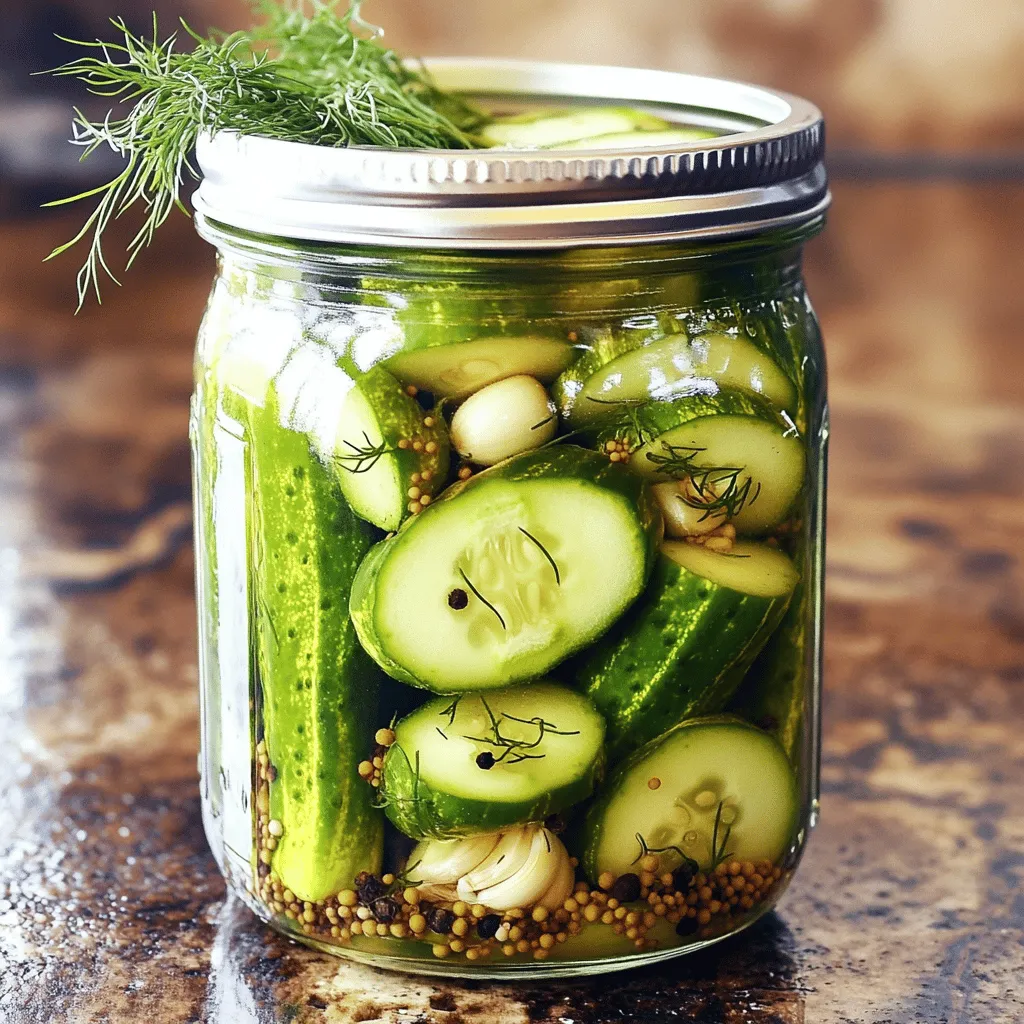
To make crunchy garlic dill pickles, gather these key items: - 1 pound small cucumbers (preferably pickling cucumbers) - 4 cups water - 1 cup distilled white vinegar - 3 tablespoons kosher salt - 4 garlic cloves, peeled and smashed - 2 tablespoons sugar - 2 teaspoons dill seeds - 1 teaspoon black peppercorns - 1 teaspoon mustard seeds - 1/2 teaspoon red pepper flakes (optional for heat) - Fresh dill sprigs (for garnish) These ingredients work together to create a tangy and crisp pickle. The cucumbers are the stars of this recipe, soaking up the brine to get full flavor. You can add some extra zing with optional ingredients: - A few slices of jalapeño for spice - A pinch of turmeric for color - Fresh herbs like thyme or bay leaves These additions can help you customize your pickles to match your taste. Feel free to experiment and find what you love! If you have allergies or dietary needs, there are easy swaps: - Use sea salt instead of kosher salt if needed. - Substitute apple cider vinegar for a milder taste. - If you're avoiding sugar, try honey or a sugar substitute. These substitutions help you enjoy garlic dill pickles while keeping them safe for everyone. Remember, the key is to keep the basic balance of ingredients to ensure great flavor! Start by rinsing the cucumbers under cold water. This helps remove dirt. Trim the ends of each cucumber to prepare them for pickling. You can slice them into spears or keep them whole. Whole cucumbers hold more crunch. In a large saucepan, mix the water, vinegar, kosher salt, and sugar. Heat this over medium heat. Stir until the salt and sugar dissolve completely. Once done, remove the pan from the heat. Let the brine cool to room temperature. This step is key for great flavor. While the brine cools, prepare your jars. Sterilize a quart-sized mason jar or two pint-sized jars. Boil them in water for 10 minutes or run them through a hot dishwasher cycle. This keeps your pickles safe to eat. Now, add the smashed garlic cloves, dill seeds, black peppercorns, mustard seeds, and optional red pepper flakes to the bottom of the jar(s). Carefully pack the cucumbers into the jar, laying them on top of the spices. Next, pour the cooled brine over the cucumbers. Make sure they are fully submerged. Top with fresh dill sprigs and seal the jar(s) with a lid. Place the pickles in the fridge for at least 24 hours. This time allows the flavors to meld together. Enjoy the full recipe for a delightful treat! To keep your pickles crunchy, choose firm cucumbers. Look for pickling cucumbers, as they are crispier. Always soak them in cold water for a few hours before pickling. This step helps them stay firm in the brine. Avoid overcooking your brine. High heat can soften the cucumbers. Once you pack the cucumbers in jars, make sure the brine covers them completely. This helps with that perfect crunch. After making your garlic dill pickles, let them sit for at least 24 hours. This waiting time allows the flavors to mix well. The longer you wait, the better the taste. You can start tasting them after one day, but they will get even better after a week. If you can wait a bit longer, they will burst with flavor! Sterilizing your jars keeps your pickles safe to eat. Boil your jars in water for 10 minutes to sterilize them. You can also run them through a hot dishwasher cycle. Make sure your jars are completely dry before adding the cucumbers. A clean environment stops bacteria from ruining your delicious pickles. Always use new lids to ensure a good seal. {{image_2}} Want to add some heat? You can make spicy garlic dill pickles. Just add more red pepper flakes to your brine. Start with one teaspoon and taste. You can always add more! You can also add sliced jalapeños for extra spice. This gives your pickles a fun kick that many enjoy. If you like sweet and sour, try sweet garlic dill pickles. You can add more sugar to the brine. Start with an extra tablespoon. This will balance the vinegar’s bite with sweetness. Some people even add a splash of apple cider vinegar for a twist. This variation is perfect for those who want a different flavor. You can also mix in seasonal herbs to your pickles. Fresh herbs like thyme, oregano, or basil can enhance the taste. Just toss a few sprigs into the jar with the cucumbers. Dill is classic, but experimenting with other herbs keeps things exciting. You can create unique flavors with simple changes! For more ideas, check the Full Recipe. Enjoy exploring these variations! After making your garlic dill pickles, store them in the fridge. The cold slows down spoilage. Keep the jar tightly sealed to keep the pickles fresh. This way, they stay crunchy and flavorful. It's best to consume them within a few weeks for optimal taste. If you store your garlic dill pickles correctly, they can last up to three months in the fridge. The longer they sit, the more flavorful they become. However, it's best to enjoy them within the first month for that fresh crunch. Always check for any off smells or mold before eating. Freezing pickles is not recommended. They lose their crunch and taste once thawed. Instead, can them for long-term storage. Use sterilized jars and a proper canning process. This way, you can keep your garlic dill pickles for a year or more. Make sure to follow safe canning practices to prevent spoilage. For the full recipe, refer to the section above. Garlic dill pickles offer many health benefits. First, they are low in calories. This makes them a great snack choice. They also contain probiotics. Probiotics help your gut stay healthy. Garlic adds more benefits. It can boost your immune system. Dill has antioxidants. These help fight inflammation. Overall, these pickles support digestion and health. You can use regular cucumbers, but pickling cucumbers work best. Pickling cucumbers are smaller and crunchier. They have fewer seeds, making them ideal for pickling. Regular cucumbers might be softer and less crisp. If you choose regular cucumbers, look for firm ones. You want them to hold their shape during pickling. Check your pickles for signs of spoilage. If they smell bad or look cloudy, discard them. If you see bubbles or foam, they may not be safe. A good pickle should be firm and crisp. If they feel mushy, throw them out. Always store pickles in the fridge after opening. This keeps them fresh longer. Making garlic dill pickles is easy and fun. We covered the key steps, from choosing ingredients to ensuring a crunchy texture. You learned how to prepare brine and pack jars right. Don't forget the flavor options and storage tips for long-lasting pickles. By following these steps, you can enjoy tasty pickles at home. Explore the variations to find your favorite. This guide gives you the tools needed for success. Happy pickling!
Garlic Dill Pickles Crunchy and Flavorful Recipe
Are you ready to make crunchy and flavorful garlic dill pickles at home? This simple recipe transforms fresh cucumbers into tangy bites you’ll love. With
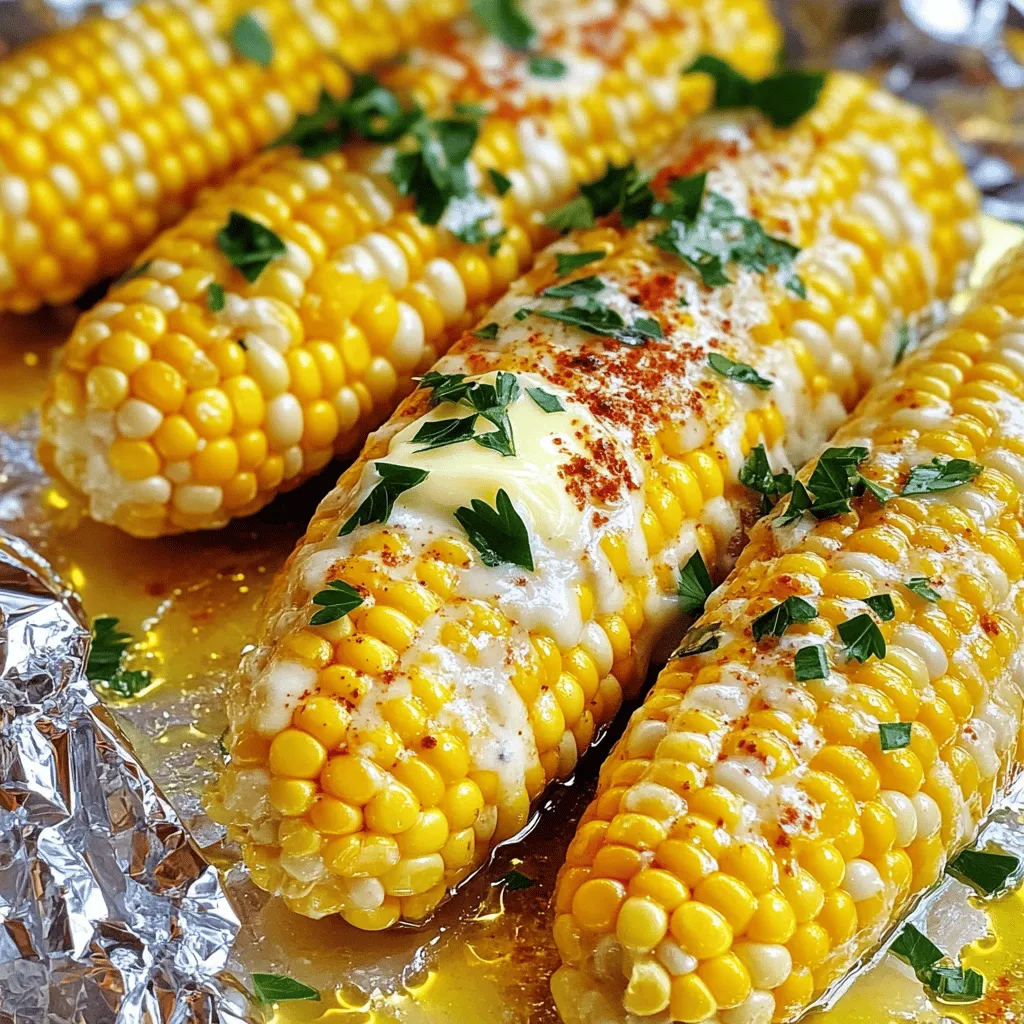
You need 4 ears of fresh corn. Choose corn with bright green husks. The kernels should look plump and sweet. Corn is best when it is in season, typically late summer. For the flavor, you will use: - 4 tablespoons unsalted butter, softened - 1 teaspoon garlic powder - 1 teaspoon smoked paprika - 1 teaspoon sea salt - ½ teaspoon black pepper Mix these ingredients together. This seasoned butter adds a savory touch to your corn. To enhance your dish, consider these toppings: - ¼ cup grated Parmesan cheese - Fresh parsley, chopped for garnish Parmesan adds a nice salty flavor. The parsley gives your corn a fresh look. You can mix and match toppings to suit your taste. For the full recipe, check out the complete instructions provided above. First, gather your fresh corn. You need four ears. Husk the corn and clean it well. Make sure to remove all the silk. A good cleaning helps the corn cook evenly. It also lets the flavor soak in better. Next, take a small bowl. Add four tablespoons of softened unsalted butter. Then, mix in one teaspoon of garlic powder. Add one teaspoon of smoked paprika, one teaspoon of sea salt, and half a teaspoon of black pepper. Stir it all together. This butter will give your corn a tasty kick. Now, spread the seasoned butter over each ear of corn. Make sure to coat all sides. After that, wrap each ear in aluminum foil. Seal it tightly to keep the flavor in. Place the wrapped corn directly on the oven rack. Set your oven to 400°F (200°C) and bake for 25-30 minutes. Be sure to turn the corn halfway through. This helps it cook evenly. After 30 minutes, unwrap one ear to check it. The kernels should be plump and juicy. If you want to add cheese, sprinkle some grated Parmesan on top. Rewrap the corn and bake for another five minutes. Finally, unwrap the corn carefully. Garnish with fresh parsley and serve warm. You can find the full recipe for oven-roasted corn on the cob above. To make the best oven-roasted corn on the cob, start with fresh corn. Look for ears with bright green husks. The silk at the top should be brown and sticky. The kernels should feel firm when you squeeze them. If you can, buy corn from a local farmer's market. This way, you get the freshest corn. Roasting corn in the oven is simple. Preheat your oven to 400°F (200°C) for even cooking. Wrap each ear in aluminum foil tightly. This keeps the corn juicy and helps it cook evenly. Turn the corn halfway through cooking. This ensures all sides roast well. Check for tenderness after 30 minutes. The kernels should be plump and juicy. Serve your corn on a platter with a sprinkle of Parmesan cheese and chopped parsley. You can also add extra butter, if you like. For a fun twist, try serving it with lime wedges. The lime juice adds a zesty flavor. This dish pairs well with grilled meats or fresh salads. Enjoy your oven-roasted corn on the cob with family and friends! For the complete recipe, check out the Full Recipe. {{image_2}} You can change the flavor of your corn by using different seasonings. Try using taco seasoning for a zesty twist. You can also mix in Italian herbs for a fresh taste. If you want heat, sprinkle some cayenne pepper. For a sweet kick, add a touch of cinnamon or brown sugar. Toppings can make your corn even better. After baking, add crumbled feta or cotija cheese. A squeeze of lime juice brightens the flavor. If you like spice, drizzle some hot sauce over the corn. For a fun crunch, top with crushed tortilla chips or nuts. You can cook corn on the cob in the oven or on the grill. Grilling adds a smoky flavor and nice char marks. Wrap the corn in foil or place it directly on the grill. Bake it in the oven for a more tender bite. The oven gives you control over cooking time and warmth. Each method makes a delicious ear of corn. Try both to see which you like best! For the full recipe, check out the Oven-Roasted Corn On The Cob recipe. If you have leftover corn, store it in the fridge. Place the corn in an airtight container. It will stay fresh for about 3 to 5 days. You can also wrap it tightly in plastic wrap. Keep the corn away from other strong-smelling foods. This helps keep its sweet taste. To reheat corn on the cob, use the oven or microwave. For the oven, preheat it to 350°F (175°C). Wrap the corn in foil to keep it moist. Heat for about 10-15 minutes. If you use the microwave, place the corn on a plate. Cover it with a damp paper towel. Heat it for 1-2 minutes, checking for warmth. Freezing corn is a great way to save it. First, blanch the corn for 4-6 minutes in boiling water. Then, cool it in ice water. Once cooled, dry the corn and wrap each ear tightly in plastic wrap. Place the wrapped corn in a freezer bag. This method keeps the corn good for up to 6 months. When you're ready to use it, thaw it in the fridge overnight or cook it straight from frozen. For more details on how to make this delicious dish, check the Full Recipe. Roasting corn on the cob in the oven takes about 25 to 30 minutes. Set your oven to 400°F (200°C) for the best results. Wrap each ear of corn in foil to keep it moist. Turn the corn halfway through cooking to ensure even roasting. After 30 minutes, check one ear for tenderness. If the kernels are juicy and plump, it's done and ready to eat. You can roast frozen corn on the cob, but fresh corn works best. If using frozen corn, thaw it first. Then follow the same steps for seasoning and wrapping. Keep in mind that cooking time may differ slightly. You may need an extra 5 to 10 minutes for frozen corn to cook fully. Here are some simple and tasty seasoning ideas for your corn: - Classic Butter and Salt: Just use butter and a sprinkle of sea salt. - Chili Lime: Mix lime juice, chili powder, and a pinch of salt. - Italian Style: Use olive oil, garlic, and Italian herbs. - Cheesy Delight: Add grated Parmesan cheese with herbs. - Sweet and Spicy: Combine honey with cayenne pepper for a kick. Feel free to mix and match to find your favorite flavor! For the full recipe, check the earlier section. Corn on the cob is a tasty treat you can enjoy in many ways. We covered how to pick fresh corn, make the perfect seasoned butter, and bake it just right. Don’t forget those fun toppings and seasoning options! Remember, cooking methods and storage tips help you enjoy every bite later on. Try experimenting with flavors and techniques. You might find a new favorite way to enjoy corn on the cob. Happy cooking, and make your meals delicious!
Oven-Roasted Corn On The Cob Flavorful and Easy Recipe
If you’re craving a deliciously sweet and smoky treat, oven-roasted corn on the cob is your answer. This easy recipe will help you create a
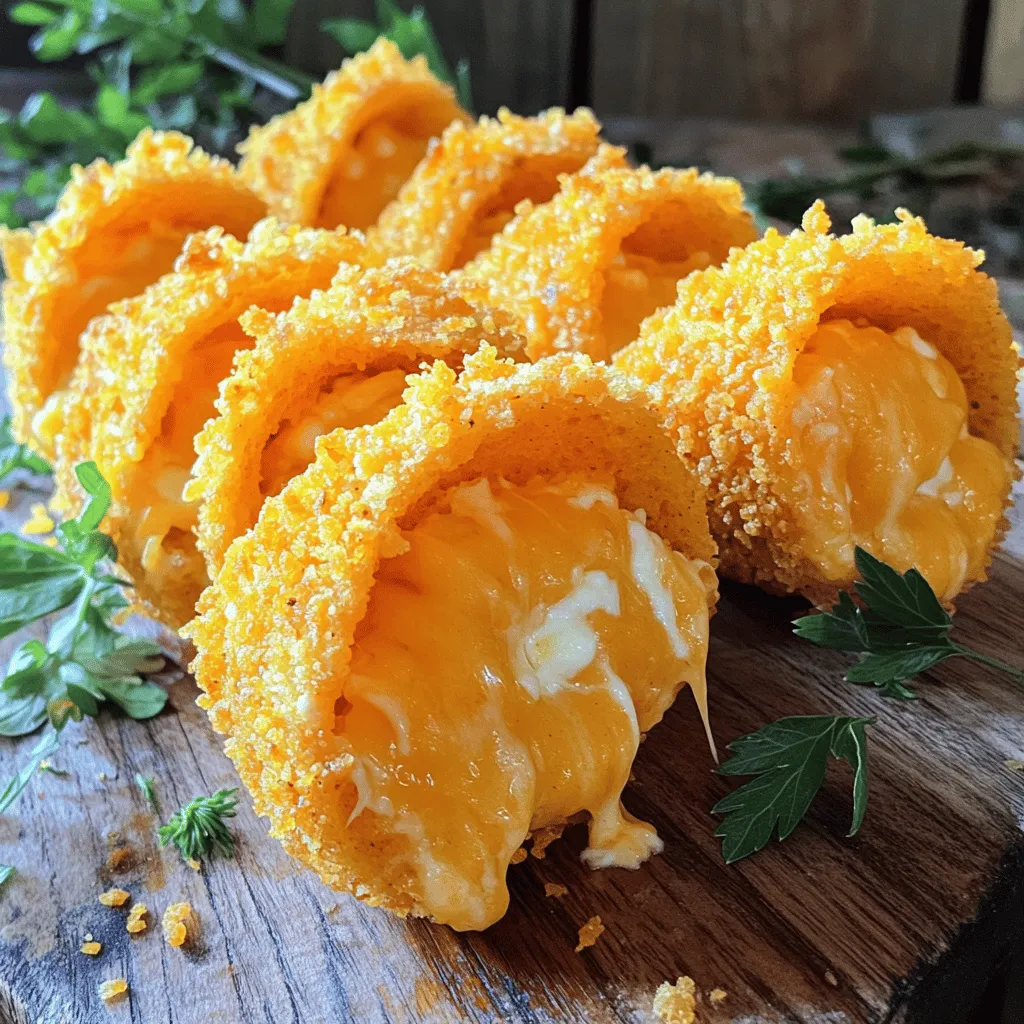
- 1 bag of Nacho Cheese Doritos - 1 cup shredded cheddar cheese - 1 cup shredded mozzarella cheese - 1/2 cup cream cheese, softened - Spices: 1 teaspoon garlic powder, 1 teaspoon onion powder, 1/2 teaspoon cayenne pepper (optional) - Breading: 1 cup flour, 2 large eggs, 1 cup breadcrumbs - Vegetable oil for frying - Optional garnishes or dipping sauces Using the right ingredients makes all the difference in your fried cheese stuffed Doritos. First, pick a bag of Nacho Cheese Doritos. Their bold flavor pairs well with the creamy cheese inside. For the cheese filling, I love using both cheddar and mozzarella. They blend perfectly. The cheddar gives sharpness, while mozzarella adds that stretchy goodness. Next, cream cheese brings a smooth texture to the mix. Don't forget the spices! Garlic powder and onion powder add great flavor. If you like some heat, add cayenne pepper. Now, for the breading, flour helps the Doritos stick. Eggs create a nice coating, and breadcrumbs give that crunchy finish. Panko breadcrumbs are a fun choice if you want extra crunch. Lastly, you need vegetable oil for frying. It gets hot and crispy, making your Doritos delicious. Optional garnishes or dips can enhance your meal. Think salsa, sour cream, or guacamole. With these ingredients, you’re well on your way to a fun and tasty treat! For the full recipe, check out the details above. To mix the cheese filling, start with a large bowl. Add 1 cup of shredded cheddar, 1 cup of mozzarella, and 1/2 cup of softened cream cheese. Then, sprinkle in 1 teaspoon of garlic powder, 1 teaspoon of onion powder, and 1/2 teaspoon of cayenne pepper if you like spice. Use a fork to blend everything well. This ensures a creamy and smooth filling. To avoid clumps, mix slowly and press the cheese down against the bowl. This helps create a uniform texture. To open the Doritos, gently hold each chip and use your fingers to pry it apart slightly. Be careful to avoid breaking it. Fill each Dorito with about a teaspoon of the cheese mixture. After filling, press the edges together firmly to seal. Make sure the filling stays inside. Repeat this until you use all your cheese filling. Prepare three bowls for the breading process. In the first bowl, add 1 cup of flour. In the second bowl, whisk 2 large eggs until smooth. In the third bowl, place 1 cup of breadcrumbs. Panko breadcrumbs work best for crunch. The breading is key to getting that crispy texture. Ensure each Dorito is coated well to maximize crunch when frying. Heat vegetable oil in a deep skillet over medium heat. Aim for about 350°F or 175°C. Maintaining the oil temperature is crucial; too hot can burn the coating, while too cool makes them greasy. Carefully add the breaded Doritos in batches, making sure you don’t overcrowd the pan. Fry for 2-3 minutes on each side, until golden brown and crispy. Once fried, use a slotted spoon to transfer the Doritos to a plate lined with paper towels. This helps drain any excess oil. For the best experience, serve the stuffed Doritos hot. They taste best when enjoyed right after frying. You can also pair them with your favorite dips for extra flavor. For the full recipe, refer to the earlier instructions. To get that perfect crunch, use panko breadcrumbs. They are lighter and crispier. Regular breadcrumbs work too, but panko gives a better bite. Keep an eye on the oil temperature. You want it hot, around 350°F (175°C). If the oil is too cool, the Doritos will soak up oil and become soggy. If it’s too hot, they may burn before cooking through. If cheese spills out during frying, don’t worry. You can still save your Doritos. Just carefully remove them from the oil. Use a spoon to push any cheese back in. For reusing frying oil, let it cool first. Strain it to remove bits of food. Store it in a clean jar. It can last for a few days in the fridge. Adding fresh herbs or spices can make your cheese mixture pop. Try adding chopped chives or parsley for a fresh taste. A pinch of smoked paprika can add a nice kick too. For dips, I love serving these with sour cream or guacamole. A zesty salsa can also complement the cheesy goodness. You can even try ranch dressing for a fun twist. For the full recipe, check out the Delicious Fried Cheese Stuffed Doritos section above! {{image_2}} You can change the cheese in this recipe. Try using gouda, pepper jack, or feta. Each offers a unique taste. Want more heat? Add jalapeños or diced green chilies. They bring a nice kick to your snack. You can also mix in herbs like cilantro or chives for freshness. If you want a healthier option, try baking instead of frying. Preheat your oven to 400°F (200°C). Place the stuffed Doritos on a baking tray lined with parchment paper. Bake for about 10-12 minutes. Flip them halfway for even cooking. This method keeps them crispy without all the oil. You don’t have to stick with Nacho Cheese Doritos. Experiment with cool ranch or spicy nacho flavors for a twist. You can also use regular tortilla chips. They offer a different texture and taste. Just make sure they are sturdy enough to hold the cheese. To store your leftover stuffed Doritos, place them in an airtight container. This helps keep them fresh. You can refrigerate them for up to three days. To keep them crispy, line the bottom of the container with paper towels. This absorbs moisture and maintains crunch. When you're ready to enjoy leftovers, choose the right method to reheat. The best way is to use an oven. Preheat it to 350°F (175°C). Place the Doritos on a baking sheet for about 10-15 minutes. This method keeps them crispy. Avoid using a microwave, as it can make them soggy. Yes, you can freeze stuffed Doritos! To freeze, first, let them cool completely. Then, place them in a single layer on a baking sheet and freeze until solid. Transfer them to a freezer bag for up to two months. When you’re ready to eat, thaw them in the fridge overnight. Reheat them in the oven for the best results. Yes, you can use other cheeses! Try using gouda or pepper jack for a twist. For a creamier texture, cream cheese works great too. You can mix flavors to make it unique. Just remember to keep the cheese meltable. This way, your Doritos will stay cheesy and delicious. You can store fried cheese stuffed Doritos in the fridge for up to three days. Make sure to place them in an airtight container. This helps keep them fresh. If you want the best taste, eat them soon after frying. They are best when hot and crunchy. Many sauces pair well with fried cheese stuffed Doritos. Try salsa for a fresh kick or ranch for creaminess. A spicy cheese dip also works great. You can even make a simple guacamole for a fun twist. Each sauce adds a new layer of flavor to your snack! In this blog post, we explored how to make stuffed Nacho Cheese Doritos. You learned about the key ingredients, how to prepare and cook them, and even some tips for variations and storage. Stuffed Doritos can be a fun snack for any gathering. They’re easy to customize and enjoy. With practice, you can master this crunchy treat and impress your friends. Enjoy your cheesy creations!
Delicious Fried Cheese Stuffed Doritos Crunchy Treat
Are you ready to take snack time to the next level? In this blog post, I’ll show you how to make delicious fried cheese stuffed

- 1 pound ground beef or turkey - 1 packet taco seasoning - 1 cup shredded cheddar cheese - 1 cup diced tomatoes with green chilies (canned) - 1 can refrigerated crescent roll dough - 1/2 cup sour cream for serving To make Air Fryer Taco Bombs, you need simple, tasty ingredients. Ground beef or turkey brings great flavor. You can choose either, depending on your taste. Taco seasoning adds that classic kick. Use a packet for quick prep. Shredded cheddar cheese ties it all together, melting perfectly inside the dough. For the extra flavor, you’ll need diced tomatoes with green chilies. They add a nice zesty touch. The refrigerated crescent roll dough is crucial too. It creates a soft, flaky outer layer that wraps around your filling. Finally, sour cream serves as a cool dip, balancing the spice of the taco bombs. For the full recipe, just follow along, and you’ll create a meal everyone will love! Browning the ground beef Start by heating a skillet on medium heat. Add the ground beef and cook it until it turns brown, about 5 to 7 minutes. Stir it often to break it apart. This step adds great flavor. Draining excess fat Once the meat is cooked, pour it into a colander to drain off any extra fat. This helps keep the taco bombs from being greasy. Adding seasoning and tomatoes Return the meat to the skillet. Stir in the taco seasoning and the diced tomatoes with their juice. Mix well and cook for 2 to 3 more minutes. This blends all the flavors together. Cooking and cooling the mixture After cooking, remove the skillet from the heat. Let the mixture cool for a few minutes. It should not be hot when you fill the dough. Unrolling the dough and separating triangles Open the can of crescent roll dough. Carefully unroll it on a clean surface. You will see triangles. Separate each triangle as shown on the package. Filling and sealing the taco bombs Place about 1 tablespoon of the meat mixture in the center of each triangle. Add 1 tablespoon of shredded cheddar cheese on top. Fold the points of the triangle over the filling and pinch to seal well. Make sure it forms a ball shape. Preheating the air fryer Set your air fryer to 350°F (175°C) and let it preheat for about 5 minutes. This step helps cook the taco bombs evenly. Cooking time and temperature Place the sealed taco bombs in the air fryer basket in a single layer. Make sure not to overcrowd them. Air fry for 8 to 10 minutes until they are golden brown. You may need to do this in batches depending on your air fryer size. Enjoy your tasty Air Fryer Taco Bombs! For the full recipe, check out the complete instructions. To make taco bombs that are a hit, keep the filling dry. If it’s too wet, the dough will get soggy. Drain any extra liquid from your meat mixture. This simple step keeps your taco bombs crispy and tasty. Next, seal the dough well. Take the points of the triangle and pinch them tightly. This step is key to keeping the filling inside while they cook. If they aren’t sealed well, you may find filling spilling out during air frying. Avoid overcrowding the basket when cooking. Give each taco bomb enough space to cook evenly. If you stack them too close, they might not get that nice, crispy texture. Instead, air fry in batches if needed. Always check for doneness. Taco bombs should be golden brown on the outside. A quick look at their color will tell you if they are done. If they look pale, let them cook for a few more minutes. When serving, think about ideal toppings. Fresh cilantro and diced avocado add a nice touch. These toppings not only look good but also enhance the flavor. Pair your taco bombs with dips. Sour cream is a classic choice, but you can also try salsa or guacamole. These dips bring extra flavor and make your meal more fun. For a full recipe, check out the details above. Enjoy your cooking adventure! {{image_2}} You can switch up the meat in your taco bombs. Ground chicken works well, and it’s leaner. If you want a plant-based option, try crumbled tofu or lentils. For a hearty vegetarian filling, use black beans or quinoa mixed with spices. This keeps the dish tasty and satisfying without meat. Want to spice things up? Add some chili powder or cayenne for heat. You can also mix in taco sauce or hot sauce to the meat before filling. For added crunch and nutrition, toss in chopped bell peppers or corn. These small changes make a big difference in flavor. How about serving taco bombs as sliders? Just make smaller balls and place them on mini buns. You can also create a taco bomb platter. Arrange them on a large plate and add dips like salsa, guacamole, or sour cream. This makes it fun for parties or family dinners. For the full recipe, check out Air Fryer Taco Bombs. To store leftovers safely, first let your taco bombs cool. Place them in an airtight container. This helps keep them fresh. You can stack them in a single layer or gently layer them with parchment paper. Make sure to close the container tightly. For best results, use glass or plastic containers that seal well. These containers keep moisture out and flavors in. If you have a lot, you might want to use multiple containers. This way, you can grab just what you need later. The best way to reheat taco bombs is in the air fryer. Preheat your air fryer to 350°F (175°C). Place the taco bombs in a single layer in the basket. Heat them for about 5-7 minutes. This will help keep them crispy. If you don’t have an air fryer, you can use an oven. Preheat it to 350°F (175°C) and place the taco bombs on a baking sheet. Heat them for about 10-15 minutes. To keep them crispy, cover them loosely with foil. This helps avoid sogginess. Enjoy your Air Fryer Taco Bombs warm with some sour cream and fresh toppings! For the full recipe, check out the earlier sections. Yes, you can freeze Air Fryer Taco Bombs! First, let them cool completely. Then, place them in a single layer on a baking sheet. Freeze them for about one hour. After they are frozen, transfer them to a freezer-safe bag. They will last up to three months in the freezer. To reheat, air fry them at 350°F until warm and crispy. Taco bombs can last in the fridge for about three days. Store them in an airtight container to keep them fresh. Make sure to let them cool before sealing. This helps prevent moisture build-up, which can make them soggy. Absolutely! You can prepare the filling a day ahead. Store it in the fridge to keep it fresh. You can also assemble the taco bombs ahead of time. Just cover them with plastic wrap and keep them in the fridge. Cook them in the air fryer when you're ready to serve. Taco bombs are great with many dips! Here are some tasty suggestions: - Sour cream is always a classic. - Salsa adds a fresh kick. - Guacamole gives a creamy touch. - Cheese sauce makes everything better. Feel free to mix and match based on your taste! Air Fryer Taco Bombs are simple and fun to make. We explored the key ingredients like ground beef, cheese, and crescent roll dough. I showed you how to prepare the filling and air fry them to a golden crisp. Remember to avoid overfilling and keep an eye on cooking time for the best results. Feel free to try different proteins or flavors. With a few simple tweaks, you can customize them to your taste. Enjoy these tasty bites with your favorite dips. They promise to be a hit at your next meal!
Air Fryer Taco Bombs Flavorful and Easy Recipe
Get ready to wow your taste buds with Air Fryer Taco Bombs! This easy recipe combines ground beef, cheese, and taco seasoning, all wrapped in
To make spicy pickled green beans, start with fresh green beans. You need 1 pound, trimmed. Choose bright green beans without blemishes. They should feel crisp and firm. For the pickling liquid, gather these ingredients: - 1 ½ cups distilled white vinegar - 1 cup water - 2 tablespoons sea salt - 1 tablespoon sugar The vinegar gives the beans their tangy flavor. The water helps balance the taste. Salt adds flavor and aids in preservation. Sugar softens the sharpness of the vinegar. Spices add depth to your pickles. Use: - 3 cloves garlic, sliced - 1 teaspoon mustard seeds - 1 teaspoon coriander seeds - 1 teaspoon red pepper flakes (adjust for heat preference) - 1 bay leaf - 1/2 teaspoon black peppercorns Garlic brings a savory note. Mustard seeds add a slight crunch. Coriander seeds give a warm flavor. Red pepper flakes offer heat; adjust them to your taste. The bay leaf adds a subtle aroma, while black peppercorns enhance the overall flavor. For the full recipe, check the details provided earlier. Start by cleaning your jars and lids. Place them in a pot of boiling water for 10 minutes. This kills any germs. After boiling, let them air dry completely. Clean jars keep your pickled green beans safe and fresh. Next, grab a medium saucepan. Mix the distilled white vinegar, water, sea salt, and sugar in the pan. Heat this mixture over medium heat. Stir it until the salt and sugar dissolve. Once it boils, take it off the heat. Add sliced garlic, mustard seeds, coriander seeds, red pepper flakes, a bay leaf, and black peppercorns. This blend gives your beans a bold flavor. Now, prepare your green beans. Wash them and trim the ends. Cut long beans in half if needed. Pack the green beans into your sterilized jars. Make sure they fit tightly but aren't crushed. Carefully pour the hot pickling mixture over the beans. Ensure they are fully submerged, leaving a little space at the top. Wipe the rims of the jars with a clean cloth. This helps the lids seal properly. Screw on the lids tightly. Let the jars cool for about an hour at room temperature. Then, move them to the fridge. Wait at least 24 hours before tasting. This gives the flavors time to blend. Your spicy pickled green beans will last up to 3-4 weeks in the fridge. For the complete recipe, check the [Full Recipe]. Enjoy these tangy treats as a side or snack! Sterilization keeps your pickled green beans safe to eat. Start by boiling your jars and lids for 10 minutes. This step removes germs and bacteria. After boiling, let them air dry completely. This ensures no water stays inside. Water can spoil your pickles. Always use clean tools when handling your jars. Spice levels can change the taste of your pickled green beans. If you like it hot, add more red pepper flakes. For milder beans, use less. Start with the recipe’s amount, then taste the brine before pouring. You can always add more spice later, but it's hard to take it out. Remember, the heat builds over time, so they may taste spicier after a day in the fridge. To develop great flavors, let the beans sit in the fridge for at least 24 hours. This time allows the spices to infuse. The longer they sit, the better they taste. You can also try adding herbs like dill or thyme for extra flavor. Experiment with different spices to find your favorite blend. Your taste buds will thank you for trying new things! For the full recipe, check out the detailed instructions above. {{image_2}} You can use many veggies in place of green beans. Carrots, cucumbers, and radishes all work well. Try using asparagus for a fun twist. Each vegetable brings its own taste, changing the final dish. Experimenting with different choices makes pickling exciting! Feel free to change the spice mix to suit your taste. Add dill for a fresh flavor. You could also try adding cumin for warmth. For a zesty kick, include some sliced jalapeños. Mixing spices allows you to create your perfect balance of heat and flavor. You can make pickled green beans sweet or savory. For a sweet version, add more sugar. You can also use honey or maple syrup for natural sweetness. If you prefer savory, skip the sugar and add more garlic or herbs. Each style gives you a different taste experience and complements various dishes. Explore these variations to make spicy pickled green beans your own. The full recipe will help guide your pickling adventure! To keep your spicy pickled green beans fresh, store them in the fridge. Use clean jars with tight-fitting lids. Make sure the beans are submerged in the pickling liquid to avoid spoilage. If you notice any mold or off smells, discard them. These spicy pickled green beans can last up to 3-4 weeks in the refrigerator. The longer they sit, the more flavor they develop. Use them in salads, on sandwiches, or as a crunchy snack. Always check for freshness before consuming. I do not recommend freezing pickled green beans. Freezing can change their texture, making them mushy. Refrigerating keeps them crisp and flavorful. If you plan to eat them soon, the fridge is the best option. For the full recipe, check the details above. Spicy pickled green beans can last up to 3-4 weeks in the fridge. Their sharp, tangy flavor makes them a tasty snack. The vinegar helps preserve them, keeping them fresh. Always check for any signs of spoilage. If they look or smell off, it’s best to toss them. Yes, you can make spicy pickled green beans without sugar. Removing sugar changes the taste, making it less sweet. However, it will still be tangy and spicy. If you want a touch of sweetness, try using honey or agave syrup instead. Adjust the amount to your taste. Pickled green beans offer several health benefits. They are low in calories and high in fiber. They also contain vitamins A, C, and K. The probiotics from the fermentation process can aid digestion. Enjoy these beans as a crunchy snack or side dish. They add flavor without many calories. For the full recipe, check the detailed instructions to make this vibrant treat. In this blog post, we explored how to make pickled green beans. You learned about key ingredients like fresh green beans, spices, and brine. I shared step-by-step instructions to help you pickle beans perfectly. We also covered storage tips and answered common questions. Pickled green beans are a great way to add flavor to your meals. With this guide, you can customize them to your taste. Enjoy your pickling journey and experiment with different ingredients!
Spicy Pickled Green Beans Tangy and Flavorful Treat
Are you ready to add a zesty twist to your meals? Spicy pickled green beans are the perfect treat! They’re crunchy, tangy, and pack a